If you’re a succulent enthusiast—whether a seasoned collector or just starting your green journey—chances are you’ve encountered Crassula ovata, commonly known as the Jade Plant. Revered for its symbolic meaning (luck, prosperity, longevity) and remarkable adaptability, this South African native has spawned dozens of delightful varieties. From classic green forms to whimsical leaf shapes and vibrant variegations, Crassula ovata cultivars offer something for every taste—all while being notoriously low-maintenance.

In this refined guide, we’ll first explore 12 of the world’s most popular Crassula ovata varieties (focused on their unique charm, origin, and flowering traits), then share a unified care guide to avoid repetition. Whether you want a statement floor plant, a tiny desk gem, or a cascading hanging plant, these Jade Plant varieties are sure to impress.
12 Popular Crassula Ovata Varieties
Each Crassula ovata cultivar has distinct traits that make it beloved by plant lovers. Below are their key details, stripped of redundant care tips (all care guidance focuses on Part 2):
1. Crassula Ovata ‘Jade Plant’ (Standard Variety)
Appearance: Timeless oval leaves (2–3 inches long), glossy deep green, woody tree-like stems when mature (3–6 feet tall indoors).
Origin: Eastern/Southern South Africa (KwaZulu-Natal, Eastern Cape).
Flowering: Late winter–early spring; small star-shaped white/pale pink blooms with honey-like fragrance (common in 3+ year-old plants with bright light + cool winter rest).

Why it’s loved: The ultimate beginner-friendly succulent—forgiving, drought-tolerant, long-lived (decades!), and symbolically linked to good fortune. Fits any decor style.

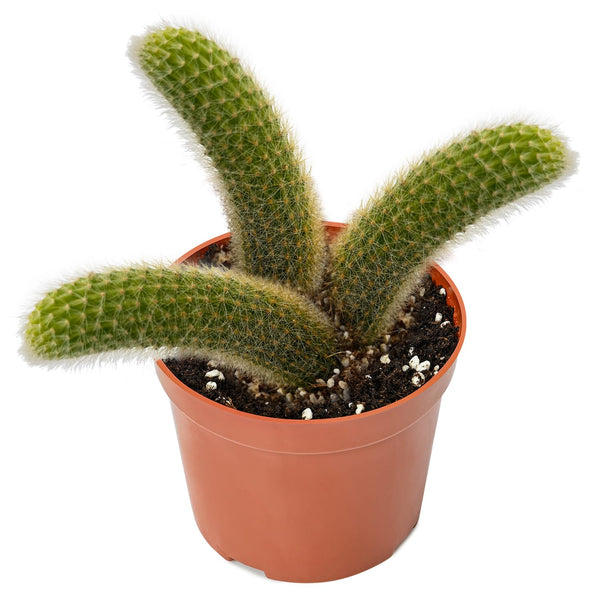
2. Crassula Ovata ‘Gollum’ (Finger Jade)
Appearance: Whimsical tubular leaves (resembling “fingers” or trumpets) with rounded tips, bright green that blushes reddish-pink in sun; compact bushy growth (2–3 feet tall).
Origin: Cultivated sport of Crassula ovata (first developed in U.S. nurseries, mid-20th century), genetically tied to South African parentage.

Flowering: Rare but possible (late winter–early spring); small white/pale pink stars, more likely in mature plants with ample light.

Why it’s loved: Sculptural, otherworldly look—perfect for succulent arrangements, terrariums, or small spaces. Tolerates low light better than some cultivars.
3. Crassula Ovata ‘Hobbit’
Appearance: Shorter, wider leaves than ‘Gollum’ with curled tips (like tiny green spoons), bright green with reddish edges in sun; dense bushy growth (1–2 feet tall).

Origin: Cultivated hybrid (named after Tolkien’s characters), popularized in European/North American nurseries.
Flowering: Late winter–early spring; small white/pale pink stars (blooms at 3–5 years old with bright light + cool rest).

Why it’s loved: Charming, compact size—ideal for windowsills or mini gardens. Slow-growing, low-pruning, and pairs beautifully with echeverias/sedums.
4. Crassula Ovata ‘Variegata’ (Variegated Jade Plant)
Appearance: Oval fleshy leaves with creamy white/yellow variegation (unique marbling/stripes per plant), woody stems (2–4 feet tall); grows slightly slower than all-green forms.

Origin: Naturally occurring mutation (discovered in South Africa’s Eastern Cape), propagated globally.
Flowering: Less common than standard Jade; small white/pale pink stars (late winter–early spring, 5+ year-old plants with bright light).
Why it’s loved: Vibrant, eye-catching foliage adds color to any space. Retains easy-care traits but offers a striking twist for collectors.

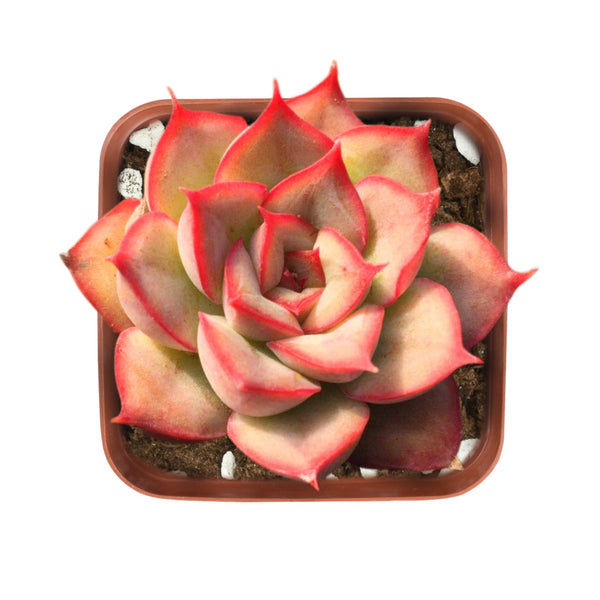
5. Crassula Ovata ‘Hummel’s Sunset’ (Golden Jade)
Appearance: Oval leaves with green base + yellow/gold edges that deepen to reddish-pink in sun (sunset gradient), compact bushy growth (2–3 feet tall).

Origin: Cultivated hybrid (Germany, 1970s)—a sport of ‘Variegata’ selected for intense sun-responsive color.
Flowering: Rare; small white/pale pink stars (late winter–early spring, mature plants with bright light + cool rest).

Why it’s loved: Dramatic color transformation—foliage shifts with light, adding dynamic interest. Compact and warm-toned, perfect for bright windowsills.
6. Crassula Ovata ‘Minima’ (Miniature Jade Plant)
Appearance: Tiny oval leaves (0.5–1 inch long), glossy deep green, dense bushy clusters (6–12 inches tall)—ideal for mini gardens.

Origin: Naturally occurring dwarf variety (South Africa’s Eastern Cape/KwaZulu-Natal), adapted to arid rocky habitats.
Flowering: Rare indoors; tiny white/pale pink stars (late winter–early spring, outdoor/mature plants).

Why it’s loved: Ultra-compact size—perfect for terrariums, fairy gardens, or gifting. Extremely drought-tolerant and beginner-friendly.
7. Crassula Ovata ‘Crosby’s Compact’
Appearance: Small oval glossy green leaves (1–1.5 inches long), tight clusters, woody stems (1–2 feet tall)—upright, rounded miniature shrub form.

Origin: Cultivated sport (U.S., 1950s), traced to South African parentage.
Flowering: Late winter–early spring; small fragrant white/pale pink stars (3+ year-old plants with bright light + cool rest).

Why it’s loved: Tidy, low-growing habit—fits small shelves/arrangements. Dense foliage feels lush, and it’s suitable for basic bonsai training.
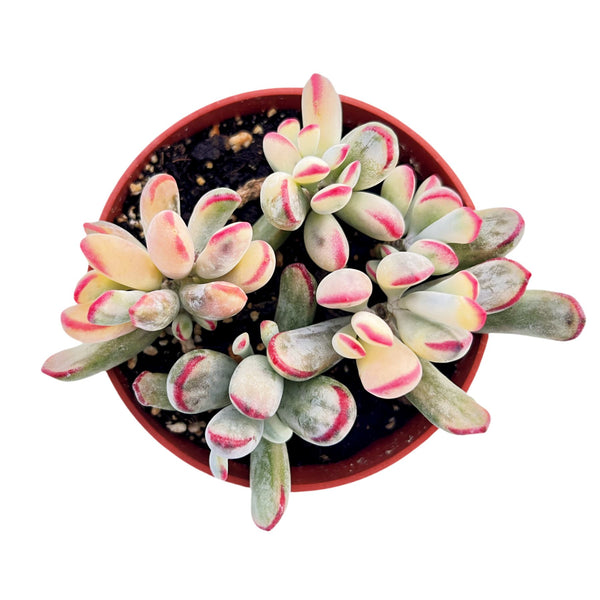
8. Crassula Ovata ‘Tricolor’ (Tricolor Jade Plant)
Appearance: Oval leaves with three-tone variegation (deep green + creamy white + soft pink streaks), bushy cascading growth (1–2 feet tall)—ideal for hanging baskets.

Origin: Naturally occurring mutation of ‘Variegata’ (discovered in South Africa’s Western Cape, propagated in European nurseries 1980s).
Flowering: Uncommon; small white flowers with pink centers (late winter–early spring, 5+ year-old plants with consistent bright light).

Why it’s loved: Rare three-color foliage—prized collector’s item. Delicate, colorful, and versatile (hanging planters or cascading in arrangements).
9. Crassula Ovata ‘Ogre Ears’ /Crassula Shrek Ear(Giant Jade Plant)
Appearance: Oversized oval leaves (up to 4 inches long), glossy green, thick woody stems (4–6 feet tall indoors)—robust tree-like form.

Origin: Naturally occurring variety (South Africa’s coastal KwaZulu-Natal/Eastern Cape), evolved large leaves to store water.
Flowering: Late winter–early spring; small white/pale pink stars (4+ year-old plants with bright light + moderate cool rest).
Why it’s loved: Dramatic tropical foliage—focal point for large spaces. Easy-care despite size, and leaves clearly signal thirst/overwatering (great for beginners).
10. Crassula Ovata ‘Lemon & Lime’ (Citrus Jade Plant)
Appearance: Oval leaves with marbled lemon yellow + lime green variegation, compact bushy growth (1–2 feet tall).
Origin: Cultivated hybrid (U.S. nurseries, 1990s)—cross of ‘Variegata’ and yellow-variegated sport.
Flowering: More frequent than other variegated types; small white flowers with yellow-tinged petals (late winter–early spring, 3+ year-old plants).
Why it’s loved: Bright, uplifting citrusy foliage—mood-boosting for indoor gardens. Retains variegation in lower light and resists sunburn.
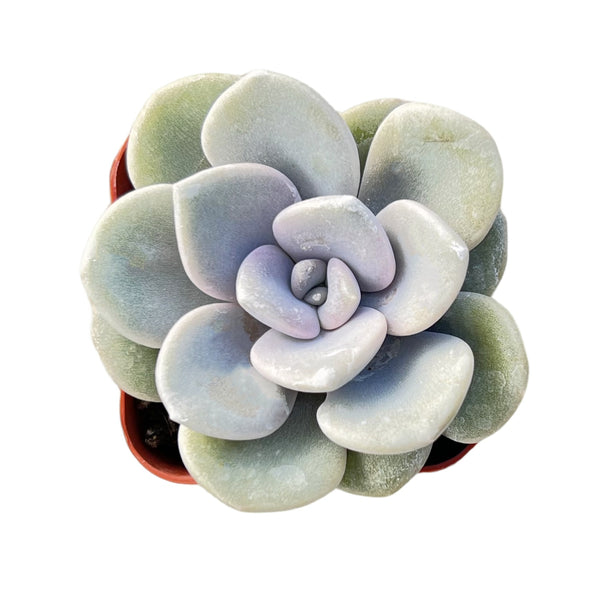
11. Crassula Ovata ‘Blue Bird’ (Blue Bird Jade)
Appearance: Unique oval leaves with a soft blue-green hue (unlike any other green Jade variety), covered in a thin, powdery farina (light white coating) that enhances the blue tint; leaves are slightly narrower than standard Jade, growing in dense clusters along woody stems. Mature plants reach 2–3 feet tall with an upright, bushy habit.

Origin: Cultivated sport of Crassula ovata, first selected in South African nurseries for its rare blue-green foliage (genetically tied to the species’ arid heritage but bred for color uniqueness).
Flowering: Late winter–early spring; small star-shaped white flowers with pale blue-tinged sepals (a subtle match to foliage), more common in mature plants (3+ years old) with bright light.

Why it’s loved: The only Crassula ovata cultivar with true blue-green foliage—stands out dramatically from classic green or variegated varieties. The farina coating adds a soft, velvety texture, and its upright growth makes it a versatile statement plant. It’s rare enough for collectors but easy-care enough for beginners.
12. Crassula Ovata ‘Silver Dollar’ (Silver Jade Plant)
Appearance: Round, silvery-green leaves (resembling silver dollars) covered in fine farina (powdery coating), dense bushy growth (1–2 feet tall).

Origin: Naturally occurring form (South Africa’s Western Cape), farina adapted to reflect sun/retain moisture.
Flowering: Rare indoors; tiny white flowers with silver tint (late winter–early spring, outdoor/mature plants in full sun).

Why it’s loved: Cool, elegant silvery foliage—contrasts beautifully with green/colorful succulents. Soft velvety texture (farina protects the plant) and ultra-drought-tolerant.
Crassula Ovata – Unified Care Guide (With Variety-Specific Tips)
All Crassula ovata varieties share core care needs (thanks to their South African arid heritage), so we’ve consolidated the essentials here—plus quick notes for varieties with unique requirements (no more repetition!).
Core Care Principles (All Varieties)
1. Light
Ideal: Bright, indirect light (south/west-facing windows are perfect). Most varieties tolerate 2–4 hours of morning/afternoon sun (enhances leaf color/red tips).

Avoid: Intense midday sun (can scorch glossy leaves) or dark corners (causes leggy growth).
2. Watering
Rule: “Soak and dry”—water thoroughly when the top 2–3 inches of soil are dry (stick your finger in to check).
Winter: Reduce watering by half (allow soil to dry completely between waterings—Jades go dormant in cool temps).
Key: Overwatering is the #1 killer—always use pots with drainage holes.
3. Soil
Mix: Well-draining succulent soil (commercial succulent mix + 1 part perlite/coarse sand/orchid bark for extra drainage).
Potting: Choose a pot slightly larger than the root ball (Jades prefer snug spaces—overpotting leads to root rot).

4. Temperature & Humidity
Temperature: Thrives in 65–75°F (18–24°C) during the day; 50–60°F (10–15°C) in winter (cool rest encourages blooming).
Frost Tolerance: All varieties are frost-tender—protect from temps below 40°F (4°C) (variegated/trailing types are slightly more sensitive, keep above 45–50°F).
Humidity: Average indoor humidity (30–50%) is perfect—no misting needed (excess humidity increases rot risk).
5. Fertilizing
Schedule: Light feeder—fertilize once a month in spring/summer (growing season) with diluted succulent fertilizer (half-strength).
Avoid: Fertilizing in fall/winter (dormant period) or overfertilizing (causes leggy growth/variegation reversion).
6. Pruning & Repotting
Pruning: Pinch back leggy stems in spring to encourage bushier growth (especially useful for ‘Crosby’s Compact’ and trailing varieties).

Repotting: Every 2–3 years (slow-growing), or when roots poke through drainage holes.
7. Propagation
Easy Methods: Stem cuttings(let cuttings callus for 1–2 days, then plant in succulent soil—water sparingly until roots form).

Variety-Specific Care Tips (To Address Unique Needs)
Variegated Varieties ('Variegata', 'Hummel’s Sunset', 'Tricolor', 'Lemon & Lime'): Need more light to retain variegation (4–5 hours of filtered sun). Avoid overfertilizing (causes green reversion).
Dwarf Varieties ('Minima', 'Baby Jade'): Water even more sparingly (tiny leaves store less water). Use mini pots and avoid overpotting at all costs.
Farina-Coated Varieties ('Silver Dollar'): Avoid getting water on leaves (washes off protective farina). Provide 4–6 hours of direct sun to maintain silvery hue.
Giant Varieties ('Ogre Ears'): Use larger pots with sturdier soil (add gravel for support). Water slightly deeper (large leaves store more water but need thorough hydration).
Red-Tipped Varieties ('Red Tip', 'Gollum', 'Hobbit'): Expose to 3–4 hours of sun + cool winter temps to intensify red color.
Final Thoughts
Crassula ovata varieties are beloved for their versatility, resilience, and unique charm. What unites all these cultivars is their ability to thrive with minimal fuss, making them perfect for both novice plant parents and seasoned collectors.
Beyond their easy-care nature, these succulents bring lasting joy: they grow slowly but steadily, develop character with age (think woody stems and mature blooms), and adapt to nearly any indoor space. Whether you’re decorating a tiny apartment, filling a sunny windowsill, or curating a succulent garden, there’s a Crassula ovata variety that fits the bill.

If you’re just starting out, the standard ‘Jade Plant’ or compact ‘Crosby’s Compact’ are foolproof choices. For collectors seeking something special, ‘Tricolor’ or ‘Silver Dollar’ offer rare textures and colors that stand out in any collection. No matter which you choose, Crassula ovata is more than a plant—it’s a symbol of growth, prosperity, and the simple pleasure of nurturing life.