Winter can be a tricky time for cactus parents. These resilient plants are famous for surviving drought, but their watering needs shift dramatically when temperatures drop, days shorten, and growth slows to a near-halt. Water too much, and you risk root rot—the #1 killer of cacti in winter. Water too little, and some varieties might shrivel or suffer long-term damage. The good news? With a little understanding of your cactus’s natural habits, knowing when to pause, when to resume, and how to water (when needed) becomes second nature.

In this guide, we’ll break down everything you need to know about winter cactus watering: why different cacti have different needs, the subtle cues that tell you it’s time to stop watering, the signs that signal it’s safe to resume, and all the small but crucial details that make winter watering successful. Whether you’re caring for a towering saguaro, a tiny ball cactus, or a leafy Christmas cactus, this advice will help you nurture your spiny companions through the colder months—no guesswork required.

Understanding Why Winter Watering Is Different
First, let’s start with the “why” behind winter watering rules. Cacti are native to some of the harshest environments on Earth, from arid deserts to semi-humid forests, and their survival depends on adapting to extreme seasonal changes. In winter, most cacti enter a period of dormancy (or semi-dormancy), where their metabolic rate slows way down. This means they use far less energy, grow almost not at all, and therefore need very little water—if any.

In their natural habitats, winter often brings cooler temperatures, less sunlight, and (in many cases) little to no rainfall. Desert cacti, for example, might go months without water during the cold season, relying on moisture stored in their stems, pads, or roots. Forest-dwelling cacti, which grow in shaded, humid environments, still experience reduced rainfall in winter and adapt by slowing growth and conserving water.
The biggest risk of winter watering is overwatering. When soil stays damp in cool, low-light conditions, oxygen can’t reach the roots, and harmful fungi thrive—leading to root rot. Unlike summer, when excess water evaporates quickly, winter moisture lingers, making it easy for even a single extra watering to cause damage. That’s why understanding your cactus’s specific needs is so important: one size does NOT fit all when it comes to winter hydration.
Do Different Cacti Have Different Winter Watering Needs?
Absolutely—your cactus’s native habitat is the biggest clue to its winter watering preferences. Broadly speaking, cacti fall into two main categories: desert cacti (the classic spiny, stem-succulent types) and forest cacti (leafy, epiphytic varieties that grow on trees or rocks). Within these groups, size, age, and growth habit also play a role. Let’s break down the key differences:

Desert Cacti: Most Need Minimal to No Water
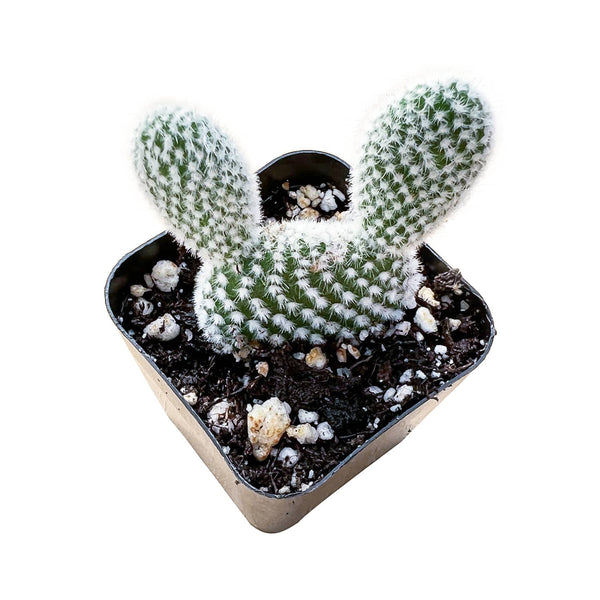
Desert cacti—think Echinopsis (ball cacti), Cereus peruvianus (columnar cacti), Opuntia (prickly pears), and Saguaro—are built to survive long droughts. Their thick, fleshy stems store massive amounts of water, and their shallow root systems are designed to soak up rain quickly when it falls. In winter, these cacti enter full dormancy, and their water needs plummet.

For mature desert cacti (3+ years old) in cool, low-light conditions (temperatures between 40–55°F/4–13°C), you can usually stop watering entirely from late November to early March. Younger desert cacti (less than 2 years old) have smaller water stores, so they might need a tiny sip every 6–8 weeks to prevent shriveling—but only if the soil is completely dry and the temperature is above 45°F/7°C. Avoid watering small desert cacti if temperatures drop below this, as their roots are more sensitive to cold, damp soil.
Forest Cacti: Need Light, Infrequent Watering
Forest cacti—like Schlumbergera truncata (Christmas cactus), Rhipsalidopsis gaertneri (Easter cactus), and Epiphyllum (orchid cactus)—are a different story. Native to tropical and subtropical forests (think Brazil, Mexico, and Central America), these cacti grow in shaded areas with higher humidity and regular (but not excessive) rainfall. They don’t store water as efficiently as desert cacti, so they can’t tolerate long periods of drought—even in winter.

Forest cacti enter semi-dormancy in winter, meaning growth slows but doesn’t stop completely. They still need small amounts of water to keep their leaves (or flattened stems) from wilting. For most forest cacti, water every 3–4 weeks during winter, but only if the top 1–2 inches of soil are dry. The key here is “light” watering: just enough to moisten the soil slightly, not soak it. Overwatering forest cacti is just as dangerous as underwatering—their roots are prone to rot if left in damp soil, especially in cool temperatures.

Special Cases: Miniature Cacti, Grafted Cacti, and Rare Varieties
Miniature cacti (less than 3 inches tall) and grafted cacti (two cactus species joined together, like a colorful Gymnocalycium grafted onto a Hylocereus rootstock) need extra care. Miniature cacti have tiny water stores, so they might need a drop or two of water every 4–6 weeks to stay plump—but again, only if the soil is bone dry and temperatures are above 45°F/7°C. Grafted cacti are more sensitive because the graft union can be vulnerable to rot; follow the watering needs of the rootstock (usually a desert cactus) but err on the side of less water.

Rare or slow-growing cacti (like Ariocarpus or Lophophora) are often more drought-tolerant than common varieties and can go the entire winter without water. These cacti are adapted to extremely arid conditions and have evolved to survive long periods of dormancy—overwatering is the fastest way to kill them. When in doubt, research your specific cactus’s native habitat or consult a specialty nursery for guidance.

When to Stop Watering Cacti in Winter
Knowing when to hit pause on watering is all about observing two key things: temperature and your cactus’s growth. There’s no one-size-fits-all date (since climates vary!), but these cues will help you decide:
Watch for Dropping Temperatures
Most cacti start slowing growth when nighttime temperatures consistently drop below 55°F/13°C and daytime temperatures stay below 70°F/21°C. This is usually in late October to early November in temperate zones, but it can be later in warmer climates (like USDA zones 9–11) or earlier in colder areas (zones 3–5). Once temperatures dip below 45°F/7°C at night, it’s time to stop watering desert cacti entirely. For forest cacti, you can reduce watering to every 3–4 weeks once nighttime temps are between 50–55°F/10–13°C.

Look for Signs of Dormancy
Cacti give subtle hints that they’re entering dormancy. Desert cacti might stop producing new spines or growth, and their stems might feel slightly firmer (as they start conserving water). Forest cacti might drop a few older leaves or stop producing flower buds. If your cactus isn’t growing—even if it’s in a bright spot—it’s telling you it’s time to cut back on water.
Avoid Watering Before Cold Spells
If you know a frost or freeze is coming, stop watering at least a week in advance. Damp soil holds more cold than dry soil, and wet roots are far more likely to freeze and die. Even if your cactus is in a heated home, sudden temperature drops (like near a drafty window) can damage roots if the soil is damp.
When to Resume Watering Cacti in Spring
Resuming watering is just as much about observation as stopping. Rushing to water too early can shock your cactus, but waiting too long can leave it dehydrated as it starts to grow again. Here’s how to know when it’s safe:
Wait for Consistent Warmth
The biggest cue is temperature. Resume watering when nighttime temperatures consistently stay above 50°F/10°C and daytime temperatures reach 65–70°F/18–21°C. This is usually in late March to early April in temperate zones, but again, it depends on your climate. For example, if you live in a Mediterranean climate, you might resume in February; if you’re in a northern climate, it could be May.
Look for New Growth
Cacti will signal they’re ready to grow again with new growth: desert cacti might sprout tiny new spines or a new stem segment, while forest cacti will push out new leaf buds or flower shoots. This is the clearest sign that their metabolism is picking up, and they need water to support growth.

Start Slow—Don’t Drown Them
When you resume watering, don’t go back to your summer schedule right away. Start with a light, thorough watering (enough to moisten the soil but not leave it soggy) and wait 2–3 weeks before watering again. Gradually increase the frequency over 4–6 weeks until you’re back to your summer routine (usually every 1–2 weeks for desert cacti, every 10–14 days for forest cacti). This gives your cactus’s roots time to adjust and prevents shock.
Key Tips for Watering Cacti in Winter (When You Must Water)
For those times when your cactus does need water in winter (like young desert cacti or forest cacti), following these rules will keep it safe:
Use the Right Water Temperature
Cold water can shock cactus roots, especially in cool temperatures. Always use room-temperature water (around 65–70°F/18–21°C). Avoid using water straight from the tap if it’s very cold—let it sit out for a few hours to warm up. If you use rainwater or distilled water (great for cacti, as it’s free of chlorine and fluoride), bring it to room temperature before watering.

Water at the Right Time of Day
Water cacti in winter during the warmest part of the day—usually midday to early afternoon. This gives any excess moisture on the soil surface time to evaporate before temperatures drop at night. Avoid watering in the evening or morning, when cold air can cause moisture to linger and increase the risk of rot.
Water the Soil, Not the Plant
Never pour water directly onto the cactus’s stem, pads, or leaves—especially desert cacti with fuzzy spines or forest cacti with delicate foliage. Water sitting on the plant can freeze in cold temperatures, causing tissue damage, or lead to fungal growth. Instead, pour water slowly around the base of the plant, targeting the soil. For potted cacti, water until you see a small amount of water drain out the bottom of the pot—then discard any water in the saucer immediately.

Check Soil Moisture Deep Down
Don’t just check the top of the soil—cactus roots grow deeper than you might think. Use a wooden skewer, chopstick, or moisture meter to check the soil 2–3 inches below the surface. If it’s still damp, wait another week or two before watering. For small pots, you can also lift the pot—dry soil is much lighter than damp soil. This simple check will save you from overwatering more than any other tip.

Use Well-Draining Soil (It’s Non-Negotiable)
Even if you water perfectly, bad soil will lead to rot. Cacti need soil that drains quickly and doesn’t hold moisture. A good cactus soil mix should contain ingredients like perlite, pumice, coarse sand, or orchid bark to improve drainage. Avoid using regular potting soil, which is too dense and retains water. If you’re unsure, buy a pre-made cactus/succulent mix and add extra perlite (about 1 part perlite to 2 parts soil) for extra drainage.
Ensure Proper Drainage Holes
Pots without drainage holes are a death sentence for cacti in winter. Always plant your cacti in pots with at least one drainage hole, and avoid using decorative pots without holes (or use them as cache pots, removing the inner pot when watering). If water can’t escape, it will pool at the bottom of the pot, turning the soil into a soggy mess that rots roots.

Common Winter Watering Mistakes to Avoid
Even the most well-meaning cactus parents make mistakes—here are the ones to watch out for:
Watering on a Schedule
Cacti don’t follow a calendar—their water needs depend on temperature, light, and soil moisture. Watering every two weeks “just because” is a sure way to overwater. Always check the soil and observe your cactus before reaching for the watering can.
Assuming All Cacti Need No Water
While desert cacti can go months without water, forest cacti and young cacti need a little moisture to survive. Underwatering can cause shriveling, leaf drop, or stunted growth when spring arrives. The key is to match your watering to your cactus’s type and needs.
Using Hard Water
Hard water (high in minerals like calcium and magnesium) can build up in the soil over time, causing yellowing leaves, stunted growth, or even root damage. If you have hard tap water, use rainwater, distilled water, or filtered water instead. You can also let tap water sit out for 24 hours to allow some minerals to settle before using it.
Overwatering to “Prep” for Winter
Some people think giving their cactus a big drink before winter will help it store water—but this is a mistake. Overwatering right before dormancy leaves the soil damp and the roots vulnerable to rot. Instead, gradually reduce watering in fall (starting in September) so the soil dries out naturally as temperatures drop.

Watering Frost-Damaged Cacti
If your cactus is exposed to frost and develops soft, discolored spots, don’t water it. Frost damage weakens the plant, and watering will increase the risk of rot. Let the plant recover in a warm, bright spot (but not direct sun) and wait until new growth appears before resuming any watering.
Conclusion
Winter cactus watering doesn’t have to be stressful—at its core, it’s about listening to your plant and respecting its natural rhythm. Unlike many houseplants that thrive on consistency, cacti reward patience and observation. The key takeaway? There’s no perfect “rulebook”—only cues from your cactus, your climate, and your space.
If you’re ever unsure, err on the side of less water. Most cacti can tolerate a little underwatering far better than overwatering, and a slightly dehydrated cactus will bounce back quickly once spring arrives and watering resumes.