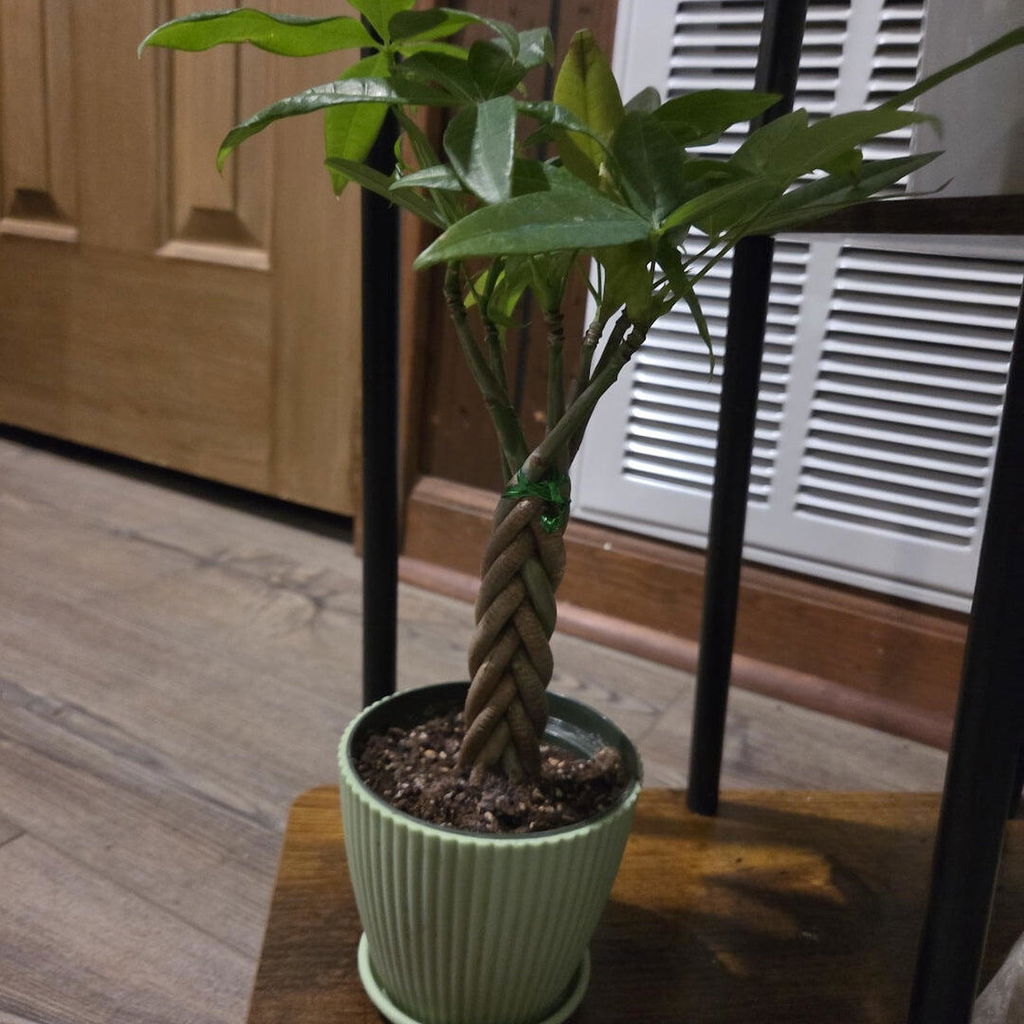
For plant enthusiasts who share their homes with furry family members, the question of cohabitation is paramount. The desire to cultivate a lush, green indoor oasis must be carefully balanced with the unwavering commitment to our pets' safety. Every new plant introduction is met with a critical inquiry: Is this safe for my cat or dog? Among the most popular houseplants, the Money Tree stands out for its elegant braided trunk and vibrant, palmate leaves. But does its aesthetic appeal come with a hidden risk? This comprehensive guide will delve into the science and safety of the Money Tree, providing pet parents with the knowledge they need to make informed decisions for their entire family.

What you will learn from this blog?
- What is a Money Tree?
- Are Money Trees Toxic To Cats?
- Are Money Trees Toxic To Dogs?
- What to Do If Your Cat Eats a Money Tree
- Tips to keep pets away from Money Plant
What is a Money Tree?
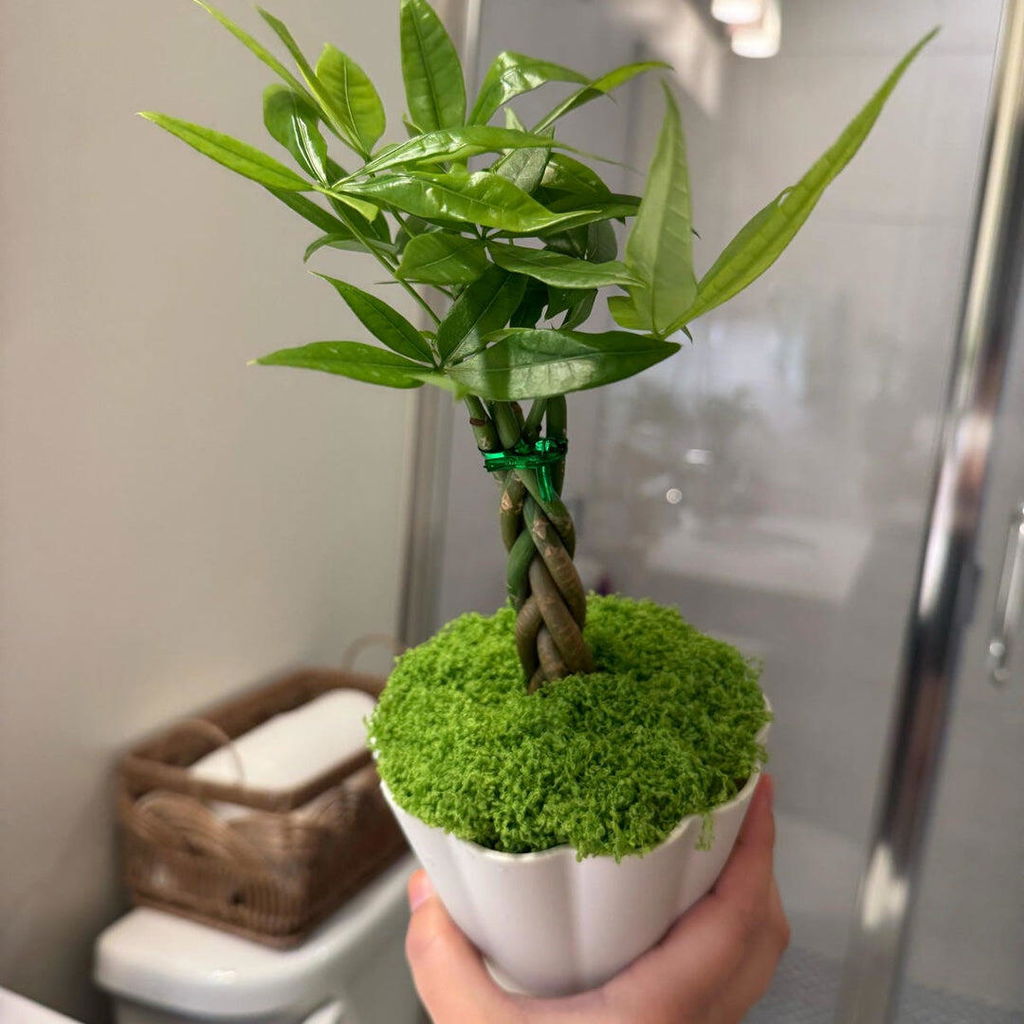
Before we assess its safety, it is crucial to correctly identify the plant in question. The common name "Money Tree" or "Money Plant" can, confusingly, refer to a few different species. However, the plant most frequently sold under this name in nurseries and home goods stores across the globe is Pachira aquatica. Its distinctive features include a characteristically braided trunk and glossy, green leaves that radiate from a central point like fingers on a hand (a "palmate compound" leaf).

Native to the wetlands of Central and South America, Pachira aquatica is celebrated in horticulture for its adaptability and resilience. It thrives in bright, indirect light and requires relatively modest care, making it a favorite for both novice and experienced plant owners. Its popularity is further bolstered by folklore in Feng Shui and other traditions, where it is believed to bring good fortune and prosperity—a charming attribute that solidifies its place in our homes. Understanding that we are specifically discussing Pachira aquatica is the foundational step, as the toxicity profile can vary significantly between different plants that share a common nickname.
Are Money Trees Toxic To Cats?
This is the most pressing question for cat owners, given the well-documented propensity of felines to nibble on houseplant leaves. The definitive answer, according to the American Society for the Prevention of Cruelty to Animals (ASPCA), is one of cautious reassurance.
The good news is that the Money Tree (Pachira aquatica) is listed as non-toxic to cats. This means the plant does not contain known chemical compounds like insoluble calcium oxalate crystals (found in Peace Lilies and Philodendrons), cardiac glycosides (found in Oleander), or other potent toxins that can cause severe, systemic poisoning in felines.
However, "non-toxic" should not be misinterpreted as "edible" or "completely safe to ingest." If your cat decides to take a bite out of a Money Tree leaf, the plant's physical properties can still cause trouble. The ingestion of fibrous plant material can lead to:
Mild Gastrointestinal Upset: The most common reaction is an upset stomach. Your cat may experience symptoms like drooling, vomiting, or diarrhea simply because their digestive system is not designed to process large amounts of plant matter.
Mechanical Irritation: The leaf itself can be slightly irritating to the sensitive lining of the mouth, throat, and stomach.
In summary, while a Money Tree will not cause organ failure or life-threatening toxicity in cats, it can certainly lead to an unpleasant and messy bout of gastrointestinal distress.

Are Money Trees Toxic To Dogs?
For our canine companions, the safety profile of the Money Tree is nearly identical. The ASPCA also classifies Pachira aquatica as non-toxic to dogs. This consistent classification across both common pets is due to the plant's inherent biochemical makeup, which lacks the potent alkaloids or saponins that are dangerous to dogs.
Yet, the same caveat applies. A curious puppy or a bored dog that chews on and swallows a significant portion of a Money Tree leaf is likely to experience the consequences of eating something they shouldn't. The primary risk remains:
- Gastrointestinal Disturbance: Expect the possibility of vomiting, diarrhea, or a temporary loss of appetite. A dog's stomach can be irritated by the sudden introduction of unfamiliar vegetation, leading to these symptoms as the body attempts to expel the material.
- Risk of Physical Obstruction: While less common with a few leaves, if a dog consumes a large piece of a branch or multiple leaves, there is a minimal risk of the material causing a physical blockage in the intestines, which is a serious medical emergency.
Therefore, while the Money Tree is not a poisonous threat to your dog's biochemical well-being, it is still wise to discourage any chewing behavior to prevent unnecessary discomfort and vet visits.

What to Do If Your Pet Eats a Money Tree
Discovering that your cat or dog has sampled your Money Tree can be alarming, but it’s important to respond calmly and methodically.
Step 1: Don't Panic.
Remember that the plant is non-toxic. The situation is highly unlikely to be life-threatening. Your calm demeanor will help keep your pet calm.
Step 2: Assess the Situation.

Try to determine how much of the plant was consumed. Was it a few nibbles on a leaf, or was a significant portion destroyed? This information will be valuable for your veterinarian.
Step 3: Identify the Plant.
Double-check that the plant ingested was indeed a Money Tree (Pachira aquatica). If you have other plants in the home, ensure it wasn't one of them, as many common houseplants are highly toxic.
Step 4: Observe Your Pet Closely.
Monitor for the signs of mild GI upset mentioned above: vomiting, diarrhea, drooling, or lethargy. Also, watch their behavior—are they acting normally, or do they seem uncomfortable?
Step 5: Contact Your Veterinarian.

It is always the best practice to call your vet or an animal poison control center (like the ASPCA Animal Poison Control Center) for professional advice. Tell them:
- The plant's name (Pachira aquatica).
- How much you estimate was eaten.
- Your pet's species, breed, weight, and any symptoms you are observing.
They can provide tailored guidance on whether you should monitor at home or bring your pet in for an examination. In most cases involving a Money Tree, they will likely advise monitoring and ensuring your pet stays hydrated.
Proactive Tips to Keep Pets Away from Money Trees
Prevention is always the best medicine. Even with a non-toxic plant, it's beneficial for both your pet's comfort and your plant's longevity to establish clear boundaries. Here are several effective, pet-friendly strategies:
1. Strategic Placement: This is your first and most effective line of defense. Place your Money Tree in a room that can be closed off with a door, or on a high shelf or plant hanger that is completely inaccessible to your pet. For cats, remember to consider their jumping and climbing abilities.

2. Use Pet Deterrent Sprays: Commercial pet deterrent sprays are available that use smells cats and dogs find unpleasant, such as citrus or bitter apple. A light spritz on the leaves (always test on a small area first to ensure it doesn't damage the plant) can discourage curious nibblers.

3. Provide a Distraction: Often, pets chew on plants out of boredom or because they crave more fiber in their diet. Ensure your cat has access to healthy, pet-safe cat grass (like wheatgrass) as a preferred alternative. For dogs, provide plenty of appropriate chew toys and mental stimulation.

4. Positive Reinforcement: Train your pet to leave the plant alone. When you see them approaching the Money Tree, use a firm command like "Leave it" and redirect their attention to a toy or treat. Reward them generously for obeying.
5. Create a Physical Barrier: For larger floor plants, a small, decorative pet gate around the plant's perimeter can be an attractive and effective deterrent.
In conclusion, the Money Tree (Pachira aquatica) stands as one of the safer choices for a pet-friendly household. Its non-toxic status offers significant peace of mind. However, responsible pet ownership involves understanding that "non-toxic" does not equate to "problem-free." By implementing smart preventive measures and knowing how to respond should an incident occur, you can successfully cultivate a harmonious living space where both your beloved plants and your cherished pets can thrive together in health and happiness.