

The vibrant, sculptural beauty of succulents has captured the hearts of plant lovers worldwide. Their reputation for hardiness often precedes them, making them a staple for both seasoned gardeners and complete novices. However, as the days shorten and the temperature plummets, many succulent owners face a common, heart-wrenching challenge: how to keep these desert darlings alive, and even thriving, through the harsh realities of winter.

Winter care for succulents is a nuanced art, requiring a fundamental shift in approach from their easy-going summer routine. It’s less about simple survival and more about understanding and mimicking the dormant conditions these plants naturally experience in their native, arid environments. Failure to adapt your care regimen can quickly lead to the most common winter woes: root rot from overwatering and etiolation (stretching) from insufficient light.

This guide will take you step-by-step through the essential strategies for successful winter succulent care. We will delve into critical adjustments across light, watering, temperature, and soil, ensuring your collection emerges from the cold season as healthy and resilient as ever.
Part I: The Winter Mindset - Understanding Succulent Dormancy
The first step in effective winter care is recognizing that most succulents enter a period of dormancy when exposed to reduced light and cooler temperatures. This is a natural protective mechanism where the plant slows down its growth, conserves energy, and drastically reduces its need for water.
Key Principle: During dormancy, a succulent is not actively growing; it is resting. Your primary goal is to support this rest period, not to force growth.

Mistakes often occur when owners continue summer watering and fertilizing schedules, assuming the plant needs 'extra help' to fight the cold. In reality, the plant's metabolic rate is so low that any excess water sits in the soil, leading to fatal fungal infections and root rot, the number one killer of succulents in winter.
Part II: The Absolute Necessity of Light
Light is arguably the most critical factor in winter succulent survival, especially for those kept indoors. The intensity and duration of natural daylight decrease significantly, often leading to rapid decline.
1. The Threat of Etiolation
Etiolation is the stretching of a plant's stem and the sparse spacing of its leaves as it desperately reaches for light. The plant becomes pale, weak, and loses its compact, desirable shape. Once a succulent etiolates, the damage is permanent, and the only remedy is beheading the plant in spring and starting over.

2. Maximizing Natural Light Exposure
● South-Facing Windows are Prime Real Estate: For those in the Northern Hemisphere, a south-facing window offers the most intense and longest duration of light throughout the day. This is the ideal location for your entire collection.
● Rotate Your Plants: Even in a south-facing window, light is often one-sided. Rotate your pots 90 to 180 degrees every week to ensure even light distribution and prevent leaning.
● Clear the Obstacles: Ensure your windows are clean, and there are no curtains, blinds, or large outdoor shrubs blocking the precious winter sun.

3. Supplementation: The Power of Grow Lights
For most northern climates, natural window light alone will not be sufficient, especially for notoriously light-hungry genera like Echeveria, Graptopetalum, and Sedum. Investing in grow lights is a non-negotiable step for maintaining healthy, compact growth.
● LED vs. Fluorescent: Modern LED grow lights are highly efficient, emit less heat, and offer full-spectrum light, which is superior for plant health. T5 or T8 high-output fluorescent bulbs are a suitable, budget-friendly alternative.

● Distance and Duration: The light source must be close to the plants to be effective. For most grow lights, the optimal distance is 4 to 12 inches above the tallest leaves. Run the lights on a timer for 12 to 14 hours per day to compensate for the weak natural light.
● Full-Spectrum Preference: Look for lights advertised as "full-spectrum" or "daylight" (around 5000K to 6500K color temperature), as they mimic natural sunlight best.
Part III: The Winter Watering Revolution - Less is Truly More
If light is the most crucial need, proper watering (or lack thereof) is the most critical management task. The common adage for winter succulent watering is: When in doubt, wait.
1. The Extreme Reduction Rule
Due to the lack of heat, low light, and the plant's dormant state, water is consumed at an incredibly slow rate.
● Frequency: Expect to water only once every 4 to 8 weeks, or even less, depending on the ambient temperature and humidity of your home. Some highly dormant or cold-stressed plants may not need water for the entire three-month winter period.

● Soil Check: Never water based on a calendar schedule. Use the Chopstick Test or a moisture meter to ensure the potting soil is 100% bone-dry all the way to the bottom of the pot. A quick, easy check is to lift the pot – if it feels surprisingly light, it is a good indicator of dryness.

2. The Method: The "Sip" vs. The "Soak"
In the summer, a full soak is recommended. In the winter, you must reconsider this.
● Avoid the Soak in Cold Conditions: If your succulents are kept in a cold environment (e.g., a garage, a cold frame, or an unheated room), the soil may never dry out, even if they are watered lightly. In these scenarios, complete cessation of watering is often the safest choice.
● Indoor Watering: For plants under grow lights in a heated home, a small, infrequent 'sip' may be necessary. Water the pot thoroughly, but perhaps use half the volume you would in the summer. Crucially, water only on a bright, sunny morning so the plant has the maximum chance to use what little energy it has to absorb the moisture before the sun sets.
● Water Temperature: Use room-temperature or slightly lukewarm water to avoid shocking the roots.
Part IV: Temperature and Location Management
Succulent plants are not fans of freezing temperatures, but they often tolerate a surprising amount of cold, provided they are kept completely dry.
1. Ideal Temperature Ranges
● The Sweet Spot (Indoor): Most popular succulents (Echeveria, Crassula, Sedum) prefer a winter temperature range of 45℉ to 55℉ (7℃-13℃). This cooler temperature encourages and deepens dormancy, which is beneficial.

● Avoid Extremes: Keep your plants away from cold, drafty windows or doors. Conversely, keep them away from direct heat sources like radiators, heating vents, or fireplaces, as these can dry out the air too quickly and cause leaf shriveling.
● The Hardiness Line: For plants overwintering outdoors or in a minimally heated space, know your plant's hardiness zone. Most common soft succulents (Sempervivum and some Sedum are exceptions) cannot survive sustained temperatures below freezing (32℉ or 0℃)
2. Choosing the Best Winter Home
● Heated Homes: Ideal for maximum light control (using grow lights) and consistent temperatures, but require the strictest adherence to the reduced watering schedule.
● Unheated Garages/Basements/Cold Frames: Excellent for forcing deep dormancy due to the naturally low temperatures. However, light is the major hurdle, and absolutely no watering can occur, as the cold will prevent evaporation. Ensure the temperature remains above 35℉ to 40℉ (2℃ to 4℃) to avoid tissue damage.
Part V: Soil, Air, and Pest Prevention
The environment surrounding the plant is just as important as the plant itself.
1. Soil and Drainage
● Pre-Winter Check: Before the first frost, ensure all your succulents are in well-draining, gritty soil. If your mix holds water for more than a week in the summer, it will be a death trap in the winter. Repotting in late autumn is better than dealing with rot mid-winter. A good mix is often 50% inorganic material (perlite, pumice, grit) and 50% succulent potting soil.
● No Fertilizer: Fertilizing a dormant plant is akin to force-feeding a sleeping person. It will lead to weak, unnatural growth and is a waste of time and resources. Cease all fertilization by late September.

2. Air Circulation and Humidity
● Fungus and Rot Prevention: Stagnant, damp air is a breeding ground for fungal diseases. Ensure good air circulation, especially if you have your plants packed closely together under grow lights. A small, oscillating fan running for a few hours a day can work wonders.
● Humidity: Succulents hate high humidity. A heated home with dry winter air is actually beneficial. If you are overwintering in a humid environment (like a basement), a dehumidifier will be essential.
3. Pest Watch
Succulents are prone to mealybugs, especially when stressed. Winter is a prime time for these cottony little pests to appear, often hiding in the crevices between leaves.
● Routine Inspection: Dedicate five minutes each week to inspecting the underside of leaves and the growth points.
● Isolation and Treatment: If you spot mealybugs, immediately isolate the affected plant. Dab the pests with a cotton swab soaked in 70% isopropyl alcohol. For larger infestations, a systemic pesticide may be needed after consulting safe winter application guidelines.

Part VI: Troubleshooting Winter Stress
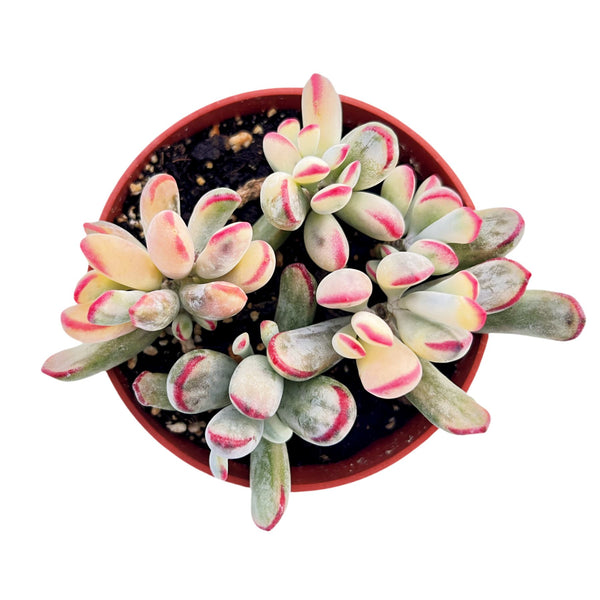
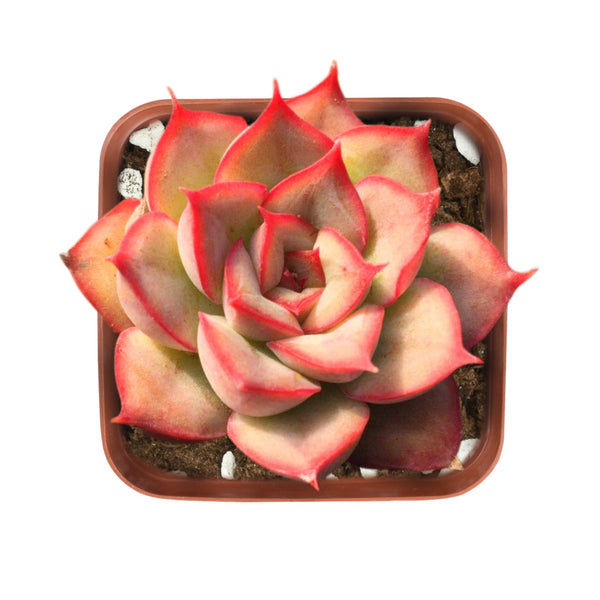
Even the most meticulous winter care can lead to stress, so learning to read your succulents' signals is essential. The most common winter killer is overwatering/root rot, which manifests as mushy, yellowing leaves. If you see this, unpot immediately, trim any dark, damaged roots, and let the plant callous before repotting into dry soil—do not water it. The second major issue is insufficient light, which causes the stems to become thin, pale, and stretched—a permanent condition known as etiolation. To stop it, increase your light source immediately, either by moving the plant or adding grow lights. Conversely, if leaves look wrinkled and shriveled, the plant is either extremely thirsty (if the soil is bone-dry, give a tiny 'sip') or its roots have already rotted and can't absorb water (requiring the root rot treatment). Finally, seeing red, pink, or orange leaf edges is actually a good sign; this is desirable "stress color," indicating the plant is happy with the cool temperature and high light.
Conclusion
Keeping succulents alive in winter is a marathon, not a sprint. The secret lies not in providing more of what they like in summer (water and fertilizer) but in offering less and maintaining an optimal balance of the two crucial elements: light and dryness.
Throughout the winter months, your greatest tools are observation and patience. Develop a relationship with your plants. Lift the pot, feel the weight, and check the leaves. A slightly thirsty, brightly colored, compact succulent is a sign of success. A pale, stretched, and soft one is a warning.

By drastically reducing your watering frequency, installing supplementary grow lights, and ensuring they have adequate airflow in a cool environment, you are providing your desert dwellers with the perfect conditions for a restorative winter sleep. When spring arrives, you will be rewarded with a collection of vibrant, healthy, and compact succulents ready to burst forth with new growth, a testament to your disciplined, specialized winter care.














1 thought on “Succulent Survival Guide: Thriving Through the Winter Chill”
Patti Hicks
Thanks so much for all the information.