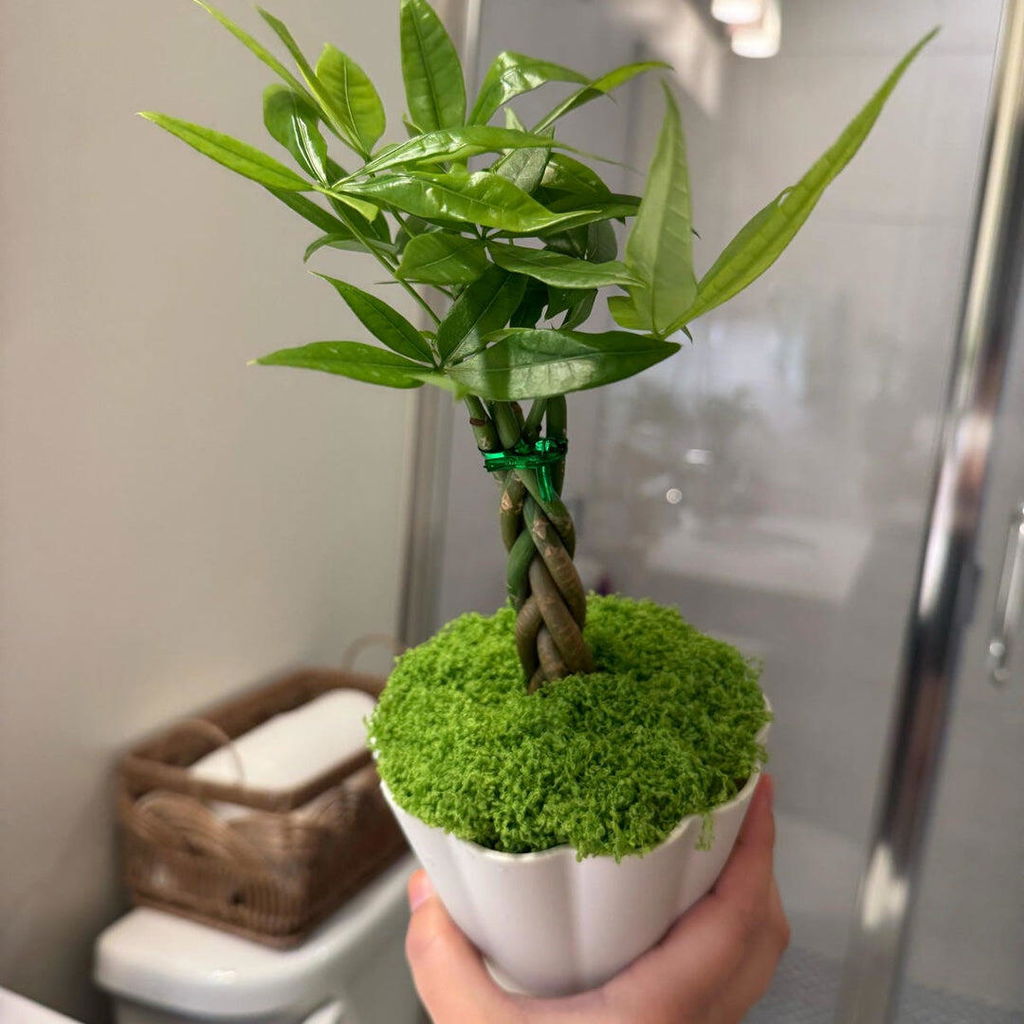
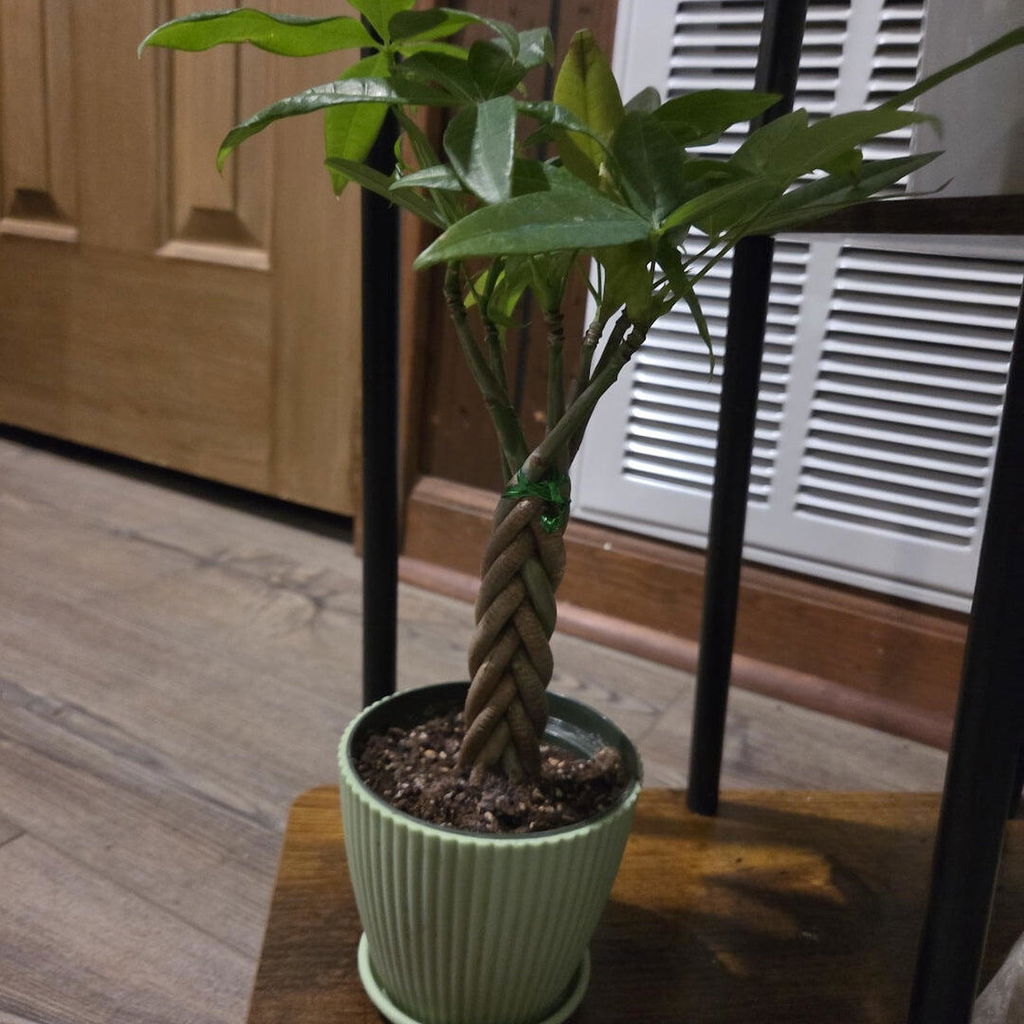
Walk into any American home, apartment, or even office break room, and you’re likely to spot a money tree (Pachira aquatica) standing tall in a corner or perched on a shelf. With its glossy, palmate leaves and often braided trunk, it’s more than just a plant—it’s a statement piece that carries warmth, symbolism, and a promise of prosperity. But here’s the thing: even the hardiest money tree won’t stay lush forever without a little TLC. Pruning, in particular, is the secret to keeping it shapely, healthy, and thriving for years. Let’s dive into why pruning matters, when to do it, and exactly how to get it right—no green thumb required.

Why Money Trees Are a Staple in American Households
If you’ve ever scrolled through Instagram’s #PlantParent feed or visited a local nursery, you’ve probably noticed money trees flying off the shelves. And for good reason: according to the National Gardening Association, houseplant sales in the U.S. surged 50% between 2020 and 2023, and money trees consistently rank among the top 10 most purchased indoor plants. Why? They’re the ultimate “beginner-friendly” plant—forgiving of occasional neglect, adaptable to low-light spaces (think: apartments with north-facing windows), and resistant to most common pests.

But their appeal goes beyond practicality. Money trees carry deep cultural symbolism that resonates across diverse American communities. Originating from Central and South America, they were traditionally associated with good fortune and financial prosperity— a message that feels universal, whether you’re a recent grad furnishing your first apartment or a family sprucing up a living room. Plus, their versatile aesthetic fits every decor style: a braided money tree adds elegance to a modern living room, while a bushy specimen complements bohemian decor or a home office desk. Unlike finicky ferns or sun-hungry succulents, money trees work with your space—not against it.

When and How to Prune Your Money Tree (The Core Guide)
Pruning isn’t just about “trimming the excess”—it’s a strategic way to support your money tree’s health and shape. Many new plant parents fear pruning, worried they’ll “kill” their plant. But the truth is: a well-pruned money tree is a happier, more vigorous one. Let’s break down why you need to prune, when to do it, and how to execute it perfectly.
1. The Science Behind Pruning (Why It Matters)
Before grabbing your shears, let’s understand the benefits of pruning—because knowing “why” makes the process feel less intimidating:

Promotes Bushier Growth: Money trees have a natural tendency called “apical dominance,” where the topmost bud (the “apical bud”) suppresses growth of lower buds. By cutting back the top stems, you remove this suppression, letting lower buds sprout into new branches. The result? A fuller, bushier plant instead of a leggy, sparse one.
Fixes Legginess: If your money tree is stretching toward light (common in dim rooms), its stems will grow long and thin, with wide gaps between leaves (called “legginess”). Pruning these stretched stems forces the plant to redirect energy to new growth, filling in the gaps and creating a more compact shape.

Stops Disease in Its Tracks: Yellowing leaves, brown spots, or wilting branches often signal disease (like root rot) or pest infestations (e.g., spider mites). Pruning these damaged parts immediately prevents the problem from spreading to healthy growth. Think of it like cutting off a rotten apple to save the rest of the bunch.

Controls Size for Small Spaces: Money trees can grow up to 6-8 feet tall indoors—but if you live in a studio apartment or have limited shelf space, pruning keeps them at a manageable height. You don’t have to let your plant outgrow its home!
Boosts Overall Vigor: When a money tree wastes energy on dead or dying branches, it has less resources for new leaves or root growth. Pruning removes this “dead weight,” letting the plant focus its energy on healthy stems and foliage. You’ll notice new growth within weeks of a good prune.
2. When to Prune (Signs It’s Time)
Pruning at the right time (and for the right reasons) ensures your money tree heals quickly. Here’s how to know it’s time to grab your shears:
Leggy Stems: If stems are longer than 12 inches with no leaves, or if the gap between leaves is more than 2 inches, it’s time to prune. Leggy growth isn’t just unsightly—it also means the plant isn’t getting enough light, and pruning will help it refocus.
Diseased or Damaged Growth: Look for leaves that are fully yellow (not just slightly faded), brown and crispy at the edges, or covered in sticky residue (a sign of pests). Branches that feel soft or mushy (instead of firm) are also candidates for pruning—they’re likely rotting.

Asymmetric Shape: If your money tree is leaning to one side or has one “lopsided” branch that’s heavier than the rest, pruning can balance it out. This prevents the plant from toppling over (a common issue with top-heavy money trees).
Stagnant Growth: If your money tree hasn’t sprouted new leaves in 3+ months (and you’re watering/lighting it correctly), pruning can “shock” it into growth. The plant responds to the “stress” of pruning by sending out new buds.
You Want to Shape It: Maybe you prefer a compact bush instead of a tall tree, or you want to maintain a “lollipop” shape (a single trunk with a full top). Pruning lets you take control of your plant’s appearance—this is where the fun begins!
Best Timing: Prune in spring (March–May) or early fall (September–October). These are your money tree’s active growth periods, so it will heal faster and sprout new growth quickly. Avoid pruning in winter (December–February)—the plant is dormant, and cuts will take longer to heal, increasing the risk of infection.
3. Step-by-Step Pruning (With Pro Tips)
Now, let’s get to the hands-on part. Follow these steps, and you’ll prune like a pro:
Step 1: Gather Your Tools (Don’t Skip Disinfection!)
You’ll need:
- A pair of sharp pruning shears or small scissors (dull blades tear stems, which slows healing).
- Rubbing alcohol (70%) and paper towels (to disinfect tools).
- Gardening gloves (optional, but they protect your hands from sap—money tree sap is non-toxic to humans, but some people find it irritating).
- Neem oil or a multipurpose fungicide (to treat cuts and prevent infection).
- A small container (to collect clippings—healthy ones can be propagated later!).
Pro Tip: Disinfect your tools before and after pruning. Wipe the blades with alcohol-soaked paper towels for 10 seconds. This kills bacteria and fungi that could spread disease to your plant.
Step 2: Inspect Your Plant (Plan First!)
Stand back 2-3 feet and look at your money tree. Ask yourself:
Where is it leggy?
Are there any dead/diseased branches?
What shape do I want to achieve?
Use twist ties or small pieces of tape to mark the stems you want to cut—this prevents you from making impulsive snips. Also, check the undersides of leaves for pests (like tiny spider mites) — if you see them, prune the affected leaves and treat the plant with neem oil after pruning.
Step 3: Make the Cuts (Angle Matters!)
Hold your shears at a 45-degree angle and cut ¼ inch above a healthy leaf node (the small bump where a leaf attaches to the stem). Why 45 degrees? This angle prevents water from pooling on the cut (which causes rot) and exposes more surface area for healing.

For leggy stems: Cut back to 6-8 inches from the base of the stem (or to the height you want). If the stem is very long, you can cut it to just above a lower leaf node—new branches will grow from that node.
For dead/diseased growth: Cut all the way back to the main trunk (or to a healthy leaf node). Don’t leave stubs—they’re prone to rot.
For shaping: If you want a bushier plant, prune the top 1-2 inches of the tallest stems. For a lollipop shape, trim side branches near the bottom of the trunk, leaving the top foliage intact.
Pro Tip: Never prune more than 1/3 of the plant at once. Removing too much growth shocks the plant, and it may struggle to recover. If your money tree is very overgrown, prune it in 2-3 sessions (2-3 weeks apart) instead of all at once.
Step 4: Treat the Cuts (Prevent Infection)
After pruning, dab a small amount of neem oil or fungicide on each cut. This creates a barrier against bacteria and fungi. Avoid getting water on the cuts for 24 hours—moisture slows healing.
Step 5: Dispose of Clippings (Or Propagate!)
Throw away any diseased or dead clippings—don’t compost them (you’ll spread disease).
Healthy clippings (6-8 inches long, with 2-3 leaf nodes) can be propagated! Stick the cut end in a glass of water (change the water weekly) or moist potting soil. Roots will grow in 2-4 weeks—you’ll have a new money tree for free!
Core Daily Care for Money Trees (Beyond Pruning)
Pruning is key, but it works best when paired with basic care. Here’s what your money tree needs to thrive—keep it simple, no green thumb required:
Light: Bright, Indirect Light Is Key

Money trees hate direct sunlight—it scorches their leaves (you’ll see brown, crispy edges). Instead, place them near an east or west window with a sheer curtain (filters harsh light). North-facing windows work too (low light), but you may need to prune more often to fix legginess. Avoid dark corners—your plant needs light to make energy!
Watering: “Soak and Dry” to Avoid Root Rot
Overwatering is the #1 killer of money trees. Follow the “soak and dry” rule:
Water thoroughly until water drains out the bottom of the pot.
Wait until the top 2-3 inches of soil are dry (stick your finger in to check) before watering again.
In winter, water less often (the plant is dormant). If leaves turn yellow and droopy, you’re overwatering—cut back!
Temperature & Humidity: Keep It Cozy
Money trees love temperatures between 65-75°F (18-24°C). Protect them from drafts: don’t put them near AC vents, open windows in winter, or heaters. They also need moderate humidity (40-50%)—if your home is dry (common in winter), mist the leaves weekly or place the pot on a tray of pebbles with water (don’t let the pot sit in water).

Soil & Pots: Drainage Is Everything
Use a well-draining potting mix: 2 parts peat moss + 1 part perlite + 1 part orchid bark. Choose a pot with drainage holes (terracotta is best—it soaks up excess moisture). Repot every 2-3 years (in spring) when the roots grow out of the drainage holes—use a pot 1-2 sizes larger than the current one.
Pet Safety: Keep It Out of Reach
Money trees are toxic to dogs and cats (they contain saponins, which cause vomiting and diarrhea). After pruning, clean up clippings immediately, and place the plant on a high shelf or cabinet where pets can’t reach it.
Final Thoughts: Pruning Is an Act of Care
Pruning your money tree isn’t about “cutting it down”—it’s about helping it grow stronger, fuller, and more beautiful. The first time you pick up your shears, you might feel nervous—but trust the process. Your plant will thank you with new leaves, a bushier shape, and years of lush growth.
And remember: every plant parent makes mistakes. If you prune a little too much, don’t panic—your money tree is resilient. Just give it time, proper care, and it will bounce back.
Have you pruned your money tree before? Did you learn any tips or tricks? Share your experience in the comments below—I’d love to hear from you!