After the " green revolution " in the 20th century, people continue to find organic, non-toxic, and safer pesticides for the garden. According to the EPA, neem oil is 100% organic and non-toxic to humans and pets. Over the past few years, neem oil as a 100% natural, effective pesticide for succulents has increased in usage and popularity.

What is neem oil?
Neem oil is pressed out of the seeds of the tree Azadirachta indica, origins from India. Besides being an insecticide spray, neem oil has been used in cosmetics, toothpastes, shampoo, and more. In India, neem oil is also applied in medicine.

Why neem oil?
1. Get rid of insects from Succulents
Neem oil contains a component called Azadirachtin that repels insects such as mealybugs, aphids, whiteflies, mites, and Japanese beetles and gets rid of them from succulent plants. In addition to insects, neem oil also works against common fungal diseases, including powdery mildew, black spot, rust fungi, and more.
You may wonder: How to Identify and Solve the Spots on Succulents.
2. Treating Succulent Leaf Spot Disease
There are lots of neem oil insecticide formulas on different sites. Before applying neem oil to your succulents, be sure to test it on a small part of the plants first and watch what happens in the next 24 hours. To avoid damaging the plants, a test run won't go wrong with any insecticide!

How to Mix a Succulent-Safe DIY Neem Oil Spray
Pure neem oil is hydrophobic, meaning it will not bind with water on its own. It requires an emulsifier—such as a mild liquid soap—to create a stable spray. For succulents, less is more; a heavily concentrated oil mixture will suffocate the plant tissue or strip its natural defenses.
The Gentle Succulent Recipe (1-Quart Batch):

- 1 quart (4 cups) of lukewarm water (warm water helps the hydrophobic oil blend evenly).
- 1 to 1.5 teaspoons of 100% cold-pressed, raw neem oil (ensure the label lists active azadirachtin, which disrupts insect growth hormones).
- 1/2 teaspoon of mild liquid soap or gentle dish soap (avoid harsh degreasers or heavily fragranced detergents).
Step-by-Step Mixing Process:
1. Pour your lukewarm water into a clean, dedicated spray bottle.
2. Stir in the liquid soap first so it can properly bond with the water molecules.
3. Measure and pour in the neem oil, then cap the bottle tightly and shake vigorously until the fluid turns a solid, milky-white emulsion.
4. Pro-Tip: Oil naturally separates from water over time. Swirl or shake your spray bottle every minute or two while treating your plants to keep the concentration consistent.
Essential Rules for Safe Application
Applying oil-based treatments to succulents requires extra diligence compared to tropical foliage. Keep these golden rules in mind to protect your plants:
Always Perform a 24-Hour Patch Test: Before drenching an entire specimen, spray a single lower leaf or a hidden rosette. Wait a full day to check for translucent spotting, yellowing, or leaf drop before treating the rest of the plant.
Master the Timing (Never Spray in Sunlight): Oil acts like a thermal magnifying glass under direct light. Spraying succulents in bright sun will instantly cook and burn the foliage. Always apply your mixture during the late evening or on an overcast day, giving the spray hours to dry completely before sunrise.

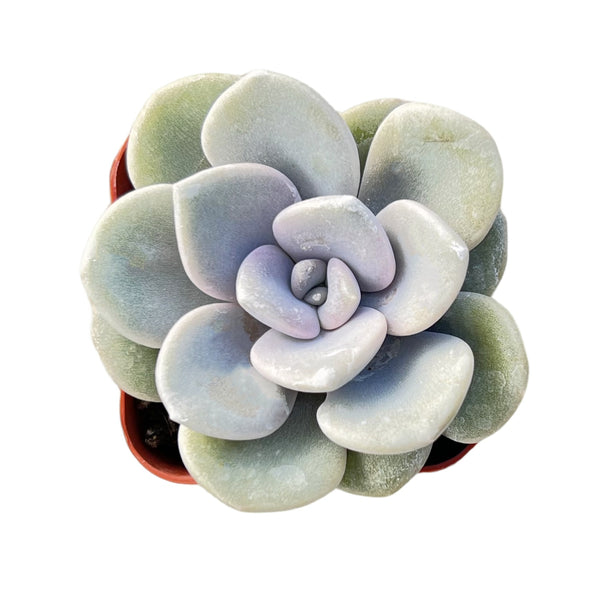
Protect (or Prepare to Lose) the Farina: Many popular varieties (such as some Echeveria and Pachyphytum) feature a powdery, protective wax coating called farina that acts as a natural sunblock. Neem oil will permanently dissolve this cosmetic layer, leaving shiny patches. Target pest hotspots directly using a fine mist rather than aggressively wiping or soaking farina-heavy leaves.
Keep Out of the Root Zone: While a minor amount of runoff is fine, avoid letting large quantities pool in your potting soil. Heavy oil saturation can clog root systems and disrupt air circulation—especially dangerous when using gritty, fast-draining succulent substrates.
Break the Pest Lifecycle: Neem oil primarily works as an anti-feedant and suffocation agent rather than an instant ovicide. Plan for 2 to 3 successive treatments spaced 7 to 10 days apart to catch newly hatched crawlers before they can reproduce.
You may wonder: A Full Guide on Molds/Spots on Succulents: ID & Cause & Solution