If you’ve spent any time browsing plant nurseries or scrolling through gardening forums, you’ve likely encountered the snake plant. With its striking upright leaves and reputation for being nearly indestructible, it’s a staple in many American homes. But one question that often pops up among both new and experienced plant parents is: Is the snake plant a succulent? Let’s dive into this topic, exploring plant taxonomy, morphological traits, and growth habits to settle the debate once and for all.

The Short Answer: Functionally, Yes. Botanically, It's Complicated.
Let's cut to the chase: Snake Plants are NOT classified as "true succulents" in strict botanical terms. However, they possess succulent-like characteristics and thrive under succulent care practices. This is why the confusion exists, and why the answer matters for how you treat your plant.
Defining Succulents: What Makes a Plant a Succulent?
Before we can determine if the snake plant falls into the succulent category, we need to clarify what a succulent is. Contrary to popular belief, “succulent” isn’t a botanical family or genus—it’s a descriptive term for plants that have evolved to store water in at least one of their organs (leaves, stems, or roots) to survive in arid environments. These water-storing structures give succulents their characteristic fleshy, plump appearance.
Key traits of succulents include:
- Water storage capacity: Specialized tissues in leaves, stems, or roots that hold moisture during dry periods.
- Drought tolerance: Adaptations like thick cuticles (waxy outer layers) to reduce water loss through transpiration.
-
Slow growth: Many succulents grow at a leisurely pace, conserving energy and resources.
- Adaptations to arid conditions: Some have spines, hairs, or compact growth forms to shield against intense sunlight and wind.
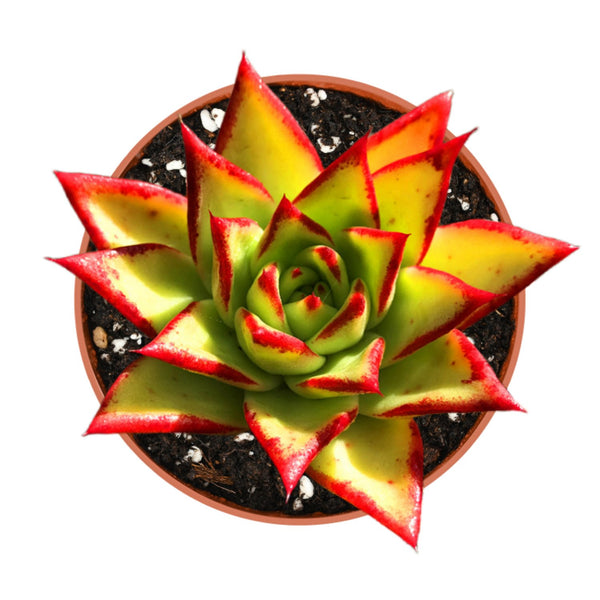
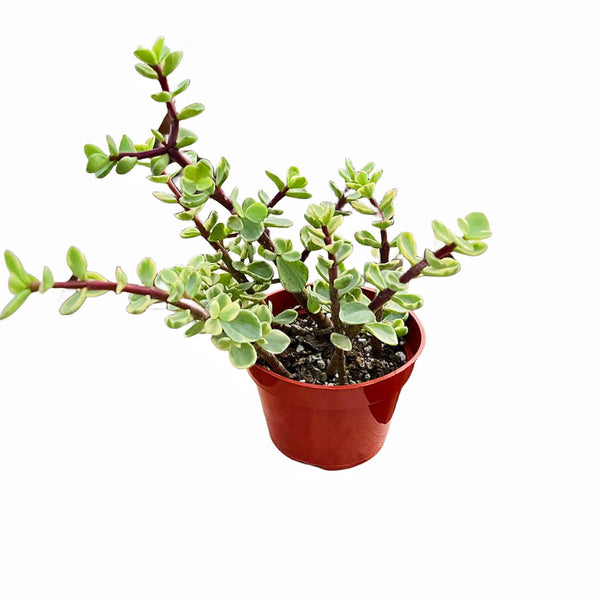
Examples of well-known succulents include aloe vera, jade plants (Crassula ovata), and echeverias. Each of these plants clearly exhibits the fleshy, water-storing structures that define the group. Now, let’s see how the snake plant measures up.
Meet the Snake Plant: A Closer Look at Dracaena Trifasciata
The snake plant, scientifically known as Dracaena trifasciata (formerly Sansevieria trifasciata), is a perennial evergreen native to West Africa. It’s earned numerous nicknames, including “mother-in-law’s tongue” (thanks to its sharp, pointed leaves) and “viper’s bowstring hemp” (a nod to its historically being used to make bowstrings).

To determine if it’s a succulent, let’s examine its physical characteristics and growth habits:
1. Leaf Structure: The Primary Water Reservoir
The most distinctive feature of the snake plant is its long, sword-shaped leaves that grow upright from a central base. These leaves are thick, fleshy, and rigid—qualities that immediately hint at water storage capabilities. Unlike the thin, delicate leaves of plants like ferns or pothos, snake plant leaves have a dense, succulent texture.

Microscopically, the leaves contain parenchyma cells specialized for storing water. These cells act like tiny reservoirs, allowing the plant to survive extended periods without rainfall—a classic adaptation of succulents. Even in dry conditions, the leaves remain plump, a clear sign that they’re holding onto moisture.
2. Drought Tolerance: Thriving in Dry Conditions
In its native habitat, Dracaena trifasciata grows in regions with erratic rainfall, where it must endure weeks or even months of drought. To cope, the plant has developed a slow metabolism, reducing its need for water. This is a hallmark of succulent plants, which prioritize water conservation over rapid growth.

Gardeners often note that overwatering is far more dangerous to snake plants than underwatering—another trait shared with succulents. Their roots are prone to rot if left in soggy soil, a vulnerability that arises because they’re adapted to absorb and store water quickly when available, then rely on those stores during dry spells.
3. Cuticle and Transpiration: Minimizing Water Loss
Snake plant leaves are covered in a thick, waxy cuticle—a protective layer that reduces transpiration (water loss through pores on the leaf surface). This adaptation is common in succulents, which need to retain as much moisture as possible in hot, dry climates. The cuticle also gives the leaves their glossy appearance, a subtle clue to their water-saving design.

Addressing the Confusion: Why Some Doubt the Snake Plant’s Succulent Status
Despite these traits, some plant enthusiasts hesitate to classify the snake plant as a succulent. Let’s unpack the reasons behind this confusion:
1. Comparison to “Typical” Succulents
Plants like cacti or echeverias have a more obvious succulent appearance—short, stubby stems or rosettes of extremely thick leaves. The snake plant’s tall, slender leaves don’t fit this stereotype, leading some to assume it’s not a succulent. However, succulents come in diverse shapes and sizes, from trailing string-of-pearls to the tree-like aloe arborescens. The snake plant’s form is simply an adaptation to its specific environment, where vertical growth helps it compete for sunlight.

2. Taxonomic Shifts
Until recently, snake plants were classified in the genus Sansevieria. In 2017, botanical studies reclassified them into the Dracaena genus, which includes plants like the corn plant (Dracaena fragrans), not all of which are succulents. This reclassification has caused confusion, but genus alone doesn’t determine succulence—traits do. Within Dracaena, several species (including trifasciata) exhibit clear succulent characteristics.
3. Misunderstanding of “Succulence”
Some define succulents strictly as plants with swollen stems or leaves used exclusively for water storage. While the snake plant’s leaves aren’t as bulbous as, say, a jade plant’s, they still function primarily as water reservoirs. Their elongated shape is a trade-off: it allows for more surface area to capture limited sunlight in their native understory habitats while retaining the ability to store water.
Snake Plant vs. Other Succulents: Key Similarities and Differences
To further clarify, let’s compare the snake plant to two well-known succulents: the aloe vera and the ZZ plant (Zamioculcas zamiifolia).

Similarities:
- Water storage: All three store water in their leaves (aloe and snake plant) or rhizomes (ZZ plant).
- Drought tolerance: They thrive with infrequent watering and are prone to root rot if overwatered.
- Adaptations to low humidity: Their thick cuticles make them suitable for indoor environments with dry air, common in American homes.
Differences:
- Light requirements: Aloe vera needs bright, direct sunlight, while snake plants tolerate low to medium light—a trait that makes them popular houseplants.
- Growth rate: Snake plants grow slower than aloe vera but faster than ZZ plants.
- Toxicity: All three are toxic to pets, but snake plants contain saponins that can cause more severe gastrointestinal upset if ingested.
These differences highlight the diversity within succulents, proving that the snake plant’s unique traits don’t disqualify it from the group.
Practical Care Tips: Treating Your Snake Plant Like the Succulent It Is
Now that we’ve established the snake plant is a succulent, let’s explore how this classification informs its care. Understanding its succulent nature will help you keep it healthy and thriving:
1. Watering: Less Is More
As a succulent, the snake plant prefers to dry out completely between waterings. In most American homes, this means watering every 2–6 weeks, depending on light levels (more light = more frequent watering). Use the “soak and dry” method: water thoroughly until water drains from the bottom, then wait until the top 2–3 inches of soil are dry before watering again. Avoid standing water in saucers, as this can lead to root rot.

2. Soil: Well-Draining Is Critical
Succulents hate soggy soil, so choose a well-draining mix. A cactus or succulent soil blend works well, or you can make your own by mixing regular potting soil with perlite or coarse sand (1:1 ratio). This ensures excess water escapes quickly, protecting the roots.
3. Light: Adaptable but Not Indifferent
While snake plants tolerate low light, they’ll grow best in bright, indirect light (e.g., near a north- or east-facing window). Unlike some succulents, they won’t thrive in intense, direct sunlight all day—this can scorch their leaves. If you notice pale, bleached spots, move your plant to a shadier spot.

4. Temperature and Humidity: Warm and Dry
Snake plants prefer temperatures between 60–85°F (15–29°C), typical of most American homes. They can tolerate brief dips to 50°F (10°C) but should be protected from frost. Low humidity is fine; high humidity can increase the risk of fungal diseases, so avoid placing them in steamy bathrooms unless ventilation is excellent.
5. Fertilizing: Sparingly, Like Other Succulents
Succulents have low nutrient needs, and snake plants are no exception. Feed them once a month during the growing season (spring and summer) with a balanced, diluted succulent fertilizer. Skip fertilizing in fall and winter, when growth slows.

Common Myths About Snake Plants and Succulents
Let’s debunk some myths that might still linger:
Myth: “Snake plants aren’t succulents because they don’t need full sun.”
Fact: While many succulents love full sun, not all do. Some, like the snake plant and Haworthia, evolved in shaded environments and prefer indirect light.
Myth: “Only cacti are true succulents.”
Fact: Cacti are a subset of succulents, defined by their areoles (small, cushion-like structures where spines grow). Succulents include a wide range of plants from different families.
Myth: “Snake plants need frequent misting.”
Fact: Misting is unnecessary and can harm snake plants, as their leaves are prone to rot in moist conditions. Save misting for humidity-loving plants like ferns.

Conclusion: Embrace Your Snake Plant as a Unique Succulent
After examining the evidence—from its water-storing leaves to its drought tolerance and succulent adaptations—there’s no doubt: the snake plant (Dracaena trifasciata) is a succulent. Its unique appearance and ability to thrive in low light set it apart from other succulents, but these traits only add to its appeal.
Whether you’re a seasoned plant parent or just starting your collection, understanding that your snake plant is a succulent will help you provide the care it needs. By respecting its need for well-draining soil, infrequent watering, and moderate light, you’ll enjoy this resilient plant for years to come.
So, the next time someone asks, “Is the snake plant a succulent?” you can confidently answer, “Yes—and it’s one of the most versatile and forgiving succulents out there!”