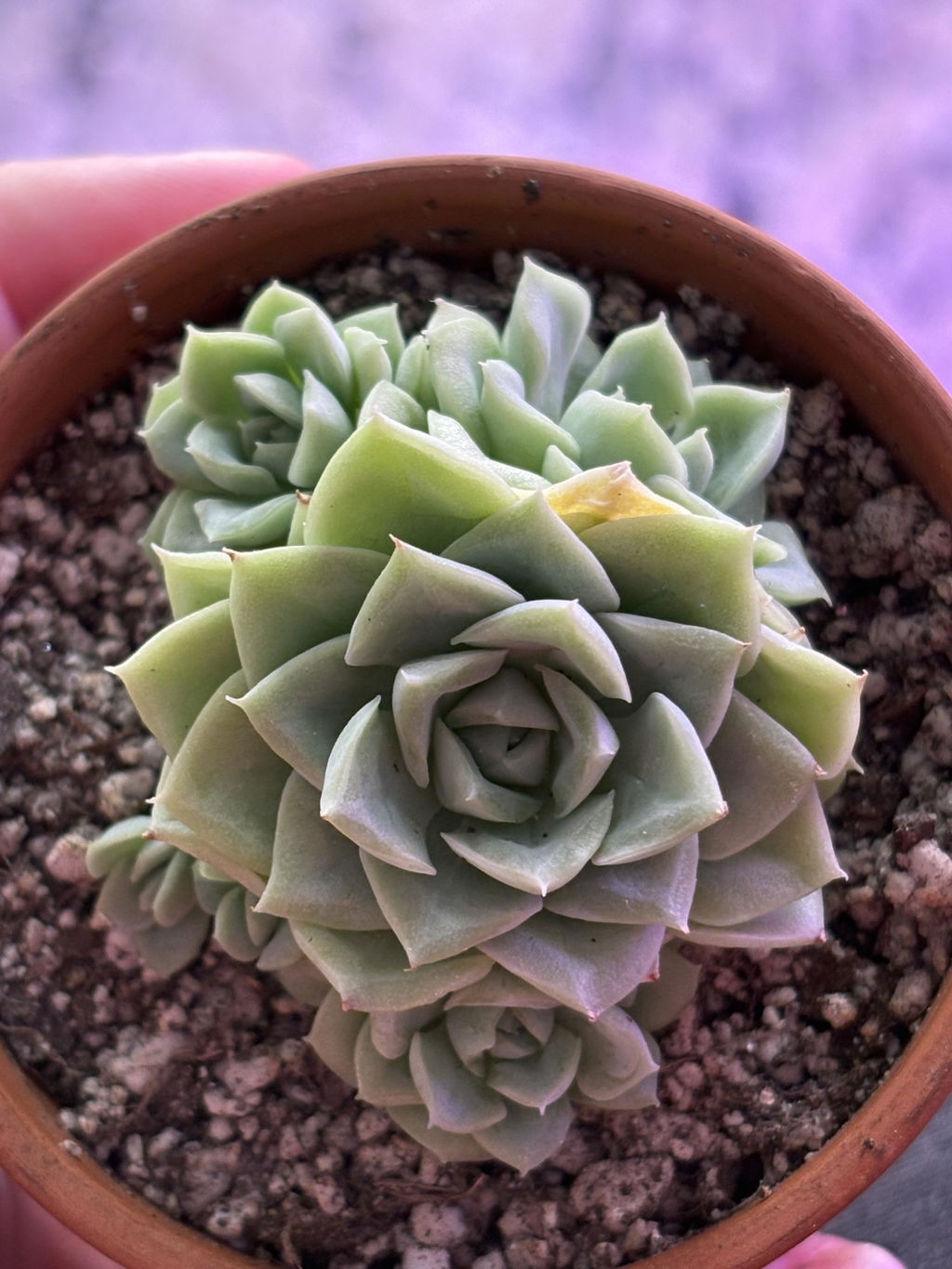
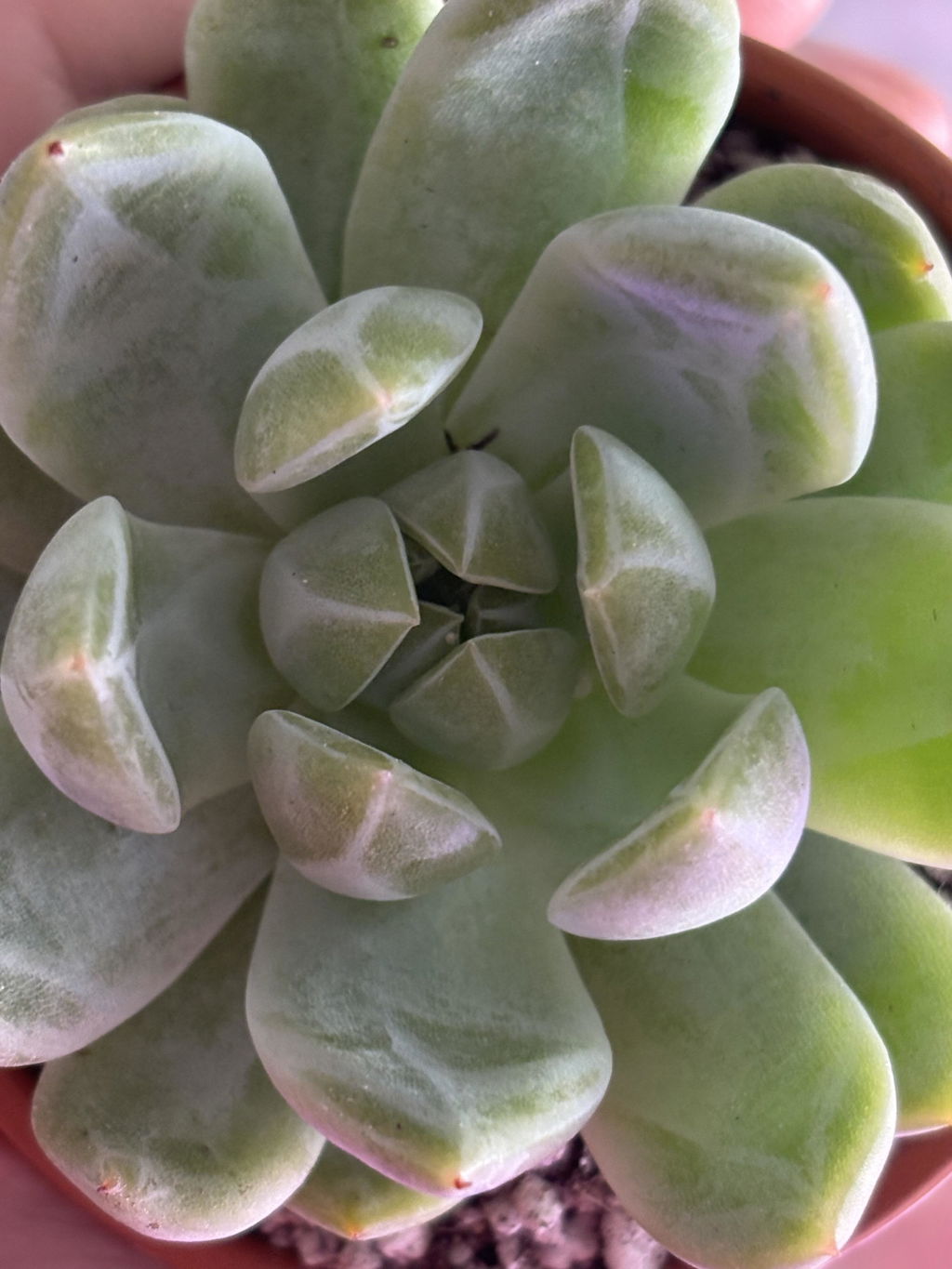
About Aloe Juvenna
Aloe Juvenna, commonly known as Tiger Tooth Aloe, is an eye-catching succulent recognized for its upright, branching stems and tightly stacked, triangular leaves. The fleshy green leaves are lined with small, soft-looking teeth along their edges and often develop attractive reddish-brown tips when exposed to stronger light. Under favorable growing conditions, the leaves may also display subtle pale green or whitish markings, adding to the plant's distinctive appearance.
Unlike many aloe varieties that grow as a single large rosette, Tiger Tooth Aloe forms clusters of upright stems that gradually spread and branch as the plant matures. Its compact size and architectural shape make it an excellent choice for succulent collections, windowsills, shelves, and decorative containers. With sufficient light and proper watering, this easy-care succulent can develop into a fuller, bushier plant. Mature plants may also produce clusters of orange to coral-red tubular flowers, bringing extra color to the growing season.
How to care for Aloe Juvenna
Sun/Location: Aloe Juvenna grows best in bright light, including several hours of gentle direct sunlight once it has acclimated. An east-facing window or a bright south- or west-facing window with some protection from intense afternoon sun can be a good choice indoors. Outdoors, provide a sunny or partially shaded location with good airflow. Gradually introduce the plant to stronger sunlight to prevent leaf scorch. When grown in brighter conditions, the leaf tips may develop attractive reddish or brownish tones, while insufficient light can cause stretched stems, wider spacing between leaves, and weaker growth.
Soil/Pot: Tiger Tooth Aloe needs a loose, well-draining growing medium to keep its roots healthy. A cactus and succulent soil mix amended with pumice, perlite, or other gritty materials can improve drainage and airflow. Choose a pot with drainage holes that is appropriately sized for the root system. As the plant produces more stems and offsets, you can move it into a slightly wider container to accommodate its spreading growth habit. Avoid using an oversized pot that holds excess moisture for too long, as Aloe Juvenna is susceptible to root rot when its roots remain wet.
Watering: Aloe Juvenna stores water in its fleshy leaves, making it tolerant of periods of dryness. Allow the soil to dry out completely before watering again. When watering, soak the soil thoroughly and let all excess water drain away. Avoid frequent small waterings that keep the root zone consistently damp. During warm weather, the plant may use water more quickly when actively growing, while watering should be reduced during cooler months. Always check the soil moisture before watering, since the drying rate depends on temperature, sunlight, airflow, and pot size.
Propagating: Aloe Juvenna is easy to propagate using the offsets that develop around the base of the mother plant or along its branching stems. Once an offset has developed a suitable root system, gently separate it with a clean knife if necessary. Allow any cut surfaces to dry before planting the offset in a well-draining succulent mix. Keep the new plant in bright, indirect light while it establishes its roots, and avoid overwatering during the initial recovery period. With suitable growing conditions, the offsets will gradually develop into new plants, making it easy to expand your collection or create fuller succulent arrangements.
More Information
Primary color: Green
Secondary color: Reddish-brown, bronze, or reddish-orange leaf tips under stronger light or other stress conditions
Bloom color: Orange to coral-red
Cold hardiness: Generally suited to USDA Zones 9b–11b; protect from frost and prolonged cold
Product format: 2" pot
Suitability: Windowsill, balcony, patio, succulent collection, office desk, decorative succulent arrangements
Propagation: Offsets and stem cuttings
Growth rate: Moderate to fast under favorable growing conditions
Special characteristics: Upright branching stems, triangular toothed leaves, compact clustered growth, drought-tolerant, sun-enhanced coloration, low-maintenance