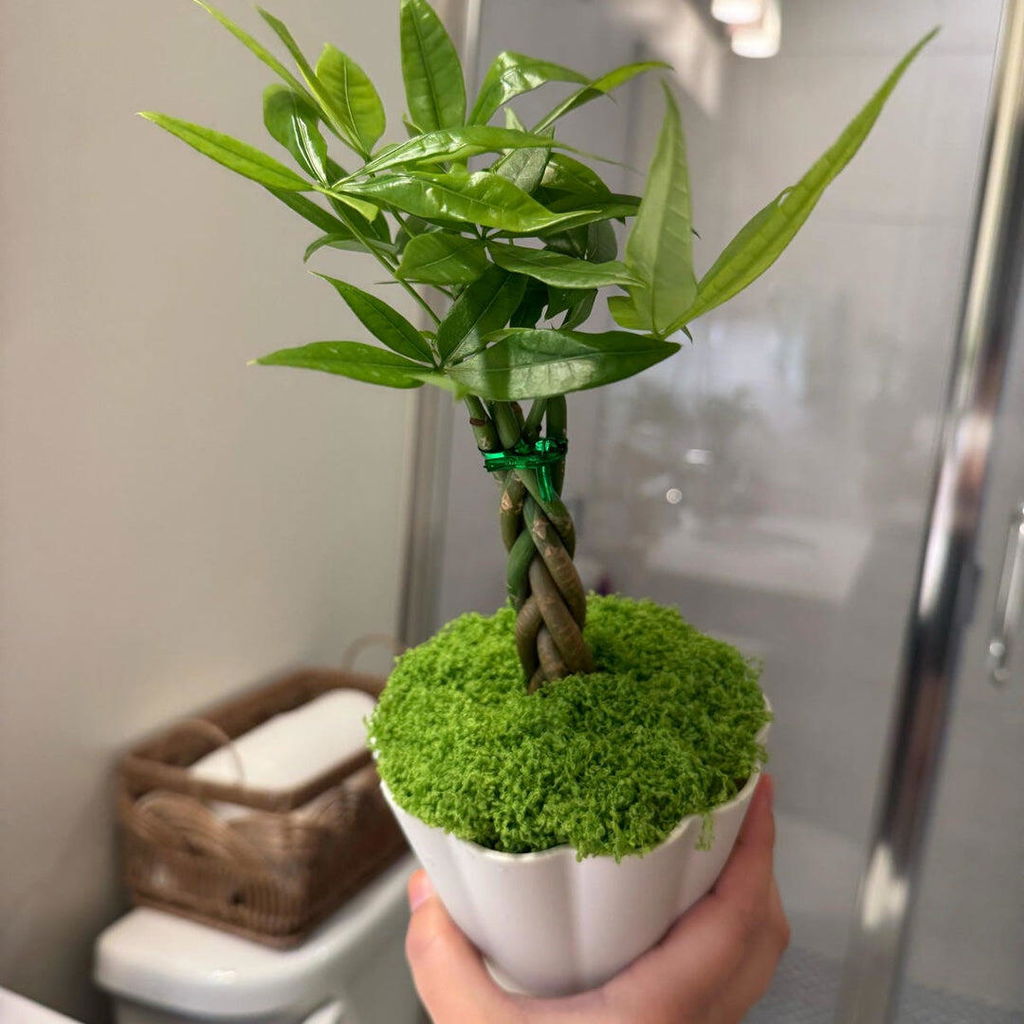
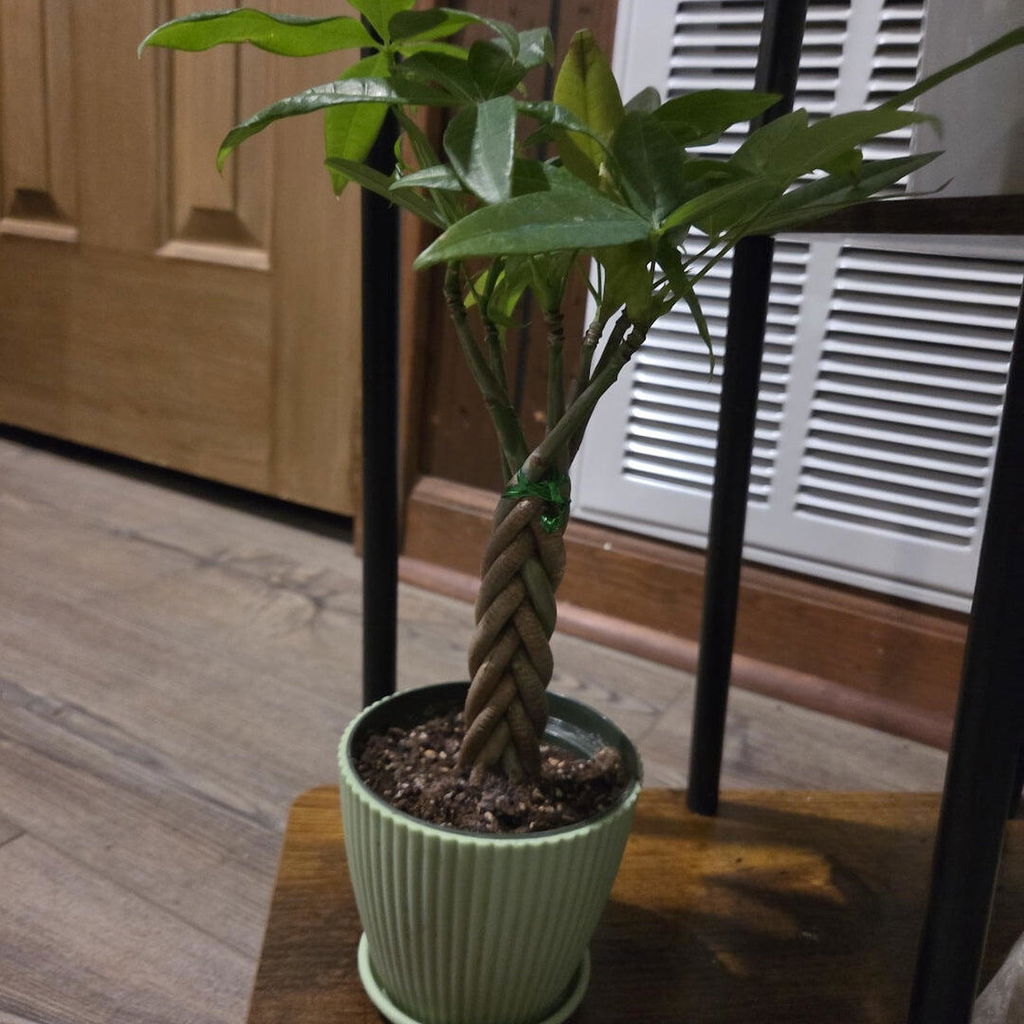
The money tree (Pachira aquatica) is a common sight in American homes—thanks to its shiny green leaves and “good luck” reputation. But most plant owners miss a key point: keeping a money tree healthy isn’t just about water or sunlight—it’s all about its fleshy roots.
These roots are a double-edged sword. They store water (to survive droughts in their native Mexican and Central American habitats), but rot easily if not cared for properly. Most money trees die from well-meaning mistakes that harm these delicate roots. This guide breaks down how to understand, protect, and nurture fleshy roots for a long-living plant.

Understand Why Money Tree Roots Are So Special
Before you can care for money tree roots, you need to know what makes them different from other houseplants (like pothos or snake plants). Let’s break down their biology—this explains why your care choices matter.
The Structure of Fleshy Roots: Sponges That Need to Breathe
Money tree roots are “fleshy fibrous roots”—plump, white, and sponge-like. Their main job is to store water and nutrients for dry spells.
But here’s the catch: those sponge-like cells need oxygen. If they’re stuck in wet soil or water, oxygen can’t reach them. Cells break down, bacteria grow, and rot sets in. That’s why a little too much water kills a money tree faster than forgetting to water it.

The Root Growth Cycle: Active vs. Dormant Phases
Money tree roots don’t grow year-round—temperature dictates their cycle:
Active Growth (Spring & Fall, 60–82°F / 15–28°C): Roots wake up, sprouting tiny white “feeder roots” that absorb water and nutrients. They need consistent (but not soggy) moisture and gentle nutrients now.
Dormancy (Winter & Summer Extremes, <50°F / 10°C or >90°F / 32°C): Roots slow almost to a stop. Cold makes it hard to absorb water; heat dries roots out. Overwatering is deadly here—roots can’t use extra moisture, so they rot.
Master the 3 Core Skills for Healthy Fleshy Roots
Now that you know the “why,” let’s cover the “how.” These three skills—choosing soil, watering right, and repotting properly—prevent 90% of root problems.
1. Soil: It’s Not Just “Potting Mix”—It’s a Breathing Space for Roots
Generic potting soil doesn’t work for fleshy roots. You need a mix that balances water retention (to hydrate roots) and drainage (to let oxygen in).
The Mistakes to Avoid
● Too dense (e.g., garden soil or “moisture-retentive” mix): Clumps when wet, trapping water around roots. I made this mistake once—my money tree’s roots turned brown and mushy in 3 weeks.
● Too gritty (e.g., pure perlite or sand): Drains too fast, drying roots out between waterings. Fleshy roots shrink and die, leaving the plant unable to absorb nutrients.
The Perfect Soil Recipe (American-Garden Friendly)
After testing 10+ mixes, this works for U.S. climates:
- 4 parts peat moss (or coco coir, for sustainability) – retains moisture without compaction
- 2 parts perlite – creates air pockets for roots
- 1 part vermiculite – holds nutrients and balances drainage
- 1 part organic sheep manure (or worm castings) – slow-release fertilizer that won’t burn roots
Adjust for Your Climate
● Northern states (dry winters with heat): Add 1 extra part peat moss to retain moisture (indoor heat dries soil fast).
● Southern states (humid summers): Add 1 extra part perlite to improve drainage (humidity slows drying, increasing rot risk).
Test Before Using
Squeeze a handful of mix. It should:
- Hold its shape when squeezed
- Break apart easily when tapped
- Not drip water (add more perlite if it does)
This ensures soil breathes and hydrates roots—exactly what fleshy roots need.
2. Watering: Stop Following a Schedule—Read Your Roots
The “water once a week” myth kills fleshy roots. Water based on what your roots need, not a calendar.

How to Tell When Roots Need Water
Forget the “finger in soil” trick—it only checks the top layer. Use these two methods:
● The chopstick test: Stick a bamboo skewer (or chopstick) to the pot’s bottom. Pull it out—water if the tip is dry (no soil stuck) and the middle is slightly damp. Wait 3–4 days if the tip is wet.
● The leaf check: Healthy leaves are firm and glossy. When roots dry out, leaves soften (not wilt) and lose shine—this means it’s time to water.
How to Water Without Killing Roots
When it’s time to water:
- Use room-temperature water (cold shocks roots, especially in winter).
- Pour slowly around the pot’s edge—don’t pour on the trunk (causes stem rot).
- Stop when water drains from the bottom. Discard excess water in the saucer—never let the pot sit in water (drowns roots).

Dormancy Watering Rules (Critical!)
In winter (<50°F / 10°C) or summer heat (>90°F / 32°C):
- Water only when the soil is completely dry (skewer comes out clean).
- Use half the usual water—roots can’t absorb much now.
- Water midday (warmest time) to avoid shocking roots.
I learned this the hard way: last winter, I watered every 10 days, and half my money tree’s roots rotted by February. Switching to “dry soil + half water” made new roots grow in 2 weeks.
3. Repotting: Size Matters—Don’t Overpot Your Money Tree
Most people ruin roots by putting small money trees in huge pots. “Room to grow” sounds good, but it’s bad for fleshy roots.

Why Overpotting Kills Roots
A pot more than 2 inches/5 cm wider than the root ball holds extra soil. When you water, this soil stays wet longer—roots sit in moisture 24/7, causing rot.
How to Choose the Right Pot Size
- Measure the root ball: Gently remove the plant and measure the root cluster (with soil).
- Pick a pot 1–2 inches/2.5–5 cm wider. For example, a 4-inch/10 cm root ball needs a 5–6 inch/12.5–15 cm pot.

- Must-have: Drainage holes (2–3 minimum). Use a plastic nursery pot inside decorative pots without holes—this lets you remove excess water.
Step-by-Step Repotting for Healthy Roots
- Prep soil: Moisten the mix (like a wrung-out sponge) before repotting. Dry soil pulls moisture from roots; wet soil increases rot risk.
- Inspect roots: Shake off loose soil. Healthy roots are white/light tan and firm; rotted roots are brown, mushy, and smelly.
- Trim bad roots: Use clean, sharp scissors (wiped with rubbing alcohol) to cut all rotted roots—stop at healthy tissue to prevent spread.
- Plant correctly: Put 1 inch / 2.5 cm of soil in the pot’s bottom. Center the root ball, then fill with soil. Don’t bury the trunk—keep it level with the soil (burying causes stem rot).
- Water lightly: Give a small amount to settle soil. Wait 1 week before watering again—let the trimmed roots heal.

Emergency Fixes for Rotting Roots
Even with good care, root rot happens—maybe a friend overwatered while you were away, or a storm soaked an outdoor money tree (they grow outside in zones 10–12!). Catch it early, and you can save the plant.
Signs to Tell You the Roots Are Rotting:
- Leaves turn yellow (starting from the bottom) and fall off easily.
- The trunk feels soft/mushy near the soil.
- The plant wilts even when the soil is wet.
- Soil smells bad (like rotting fruit).

Step-by-Step to Save a Rotting Money Tree
- Act fast: The longer you wait, the more roots die. Grab the plant, scissors, and fresh soil.
- Remove all soil: Rinse roots under room-temperature water to see them clearly.
- Trim rot: Cut all brown, mushy roots. If >50% of roots are rotted, trim top growth too—reduces water needs while roots regrow.
- Disinfect: Soak roots in 3% hydrogen peroxide (1 part peroxide to 3 parts water) for 10 minutes. Kills bacteria/fungi without harming healthy roots (skip if roots are mostly healthy—peroxide is harsh).
- Dry roots: Lay the plant on a paper towel in a cool, ventilated spot for 1–2 hours. Let cuts dry to form a “callus” (prevents infection).
- Repot: Use the soil mix above. Plant in a pot 1–2 inches wider than the remaining root ball.
- Recover: Put in bright, indirect light (no direct sun!). Don’t water for 1 week—let roots heal. After 1 week, water lightly and wait 2–4 weeks for new growth.
I saved a money tree this way last year—it lost 80% of its leaves, and half its roots were rotted. After trimming, disinfecting, and repotting, it grew 10 new leaves in 2 months. Act fast—don’t wait for all leaves to fall!
Final Thoughts: Care for the Roots, and the Plant Will Follow
Fleshy roots are a money tree’s lifeline. They’re not “high-maintenance”—just need loose, well-draining soil, water only when dry, and a properly sized pot.
If you’re new to money tree care, don’t stress. Every plant parent makes mistakes (I have!). Check your roots every few months—when repotting, watering, or just caring for your plant. Healthy roots mean a happy, long-living money tree.