


Product arrived in great condition!
The tree arrived in perfect condition. Great shipping materials!
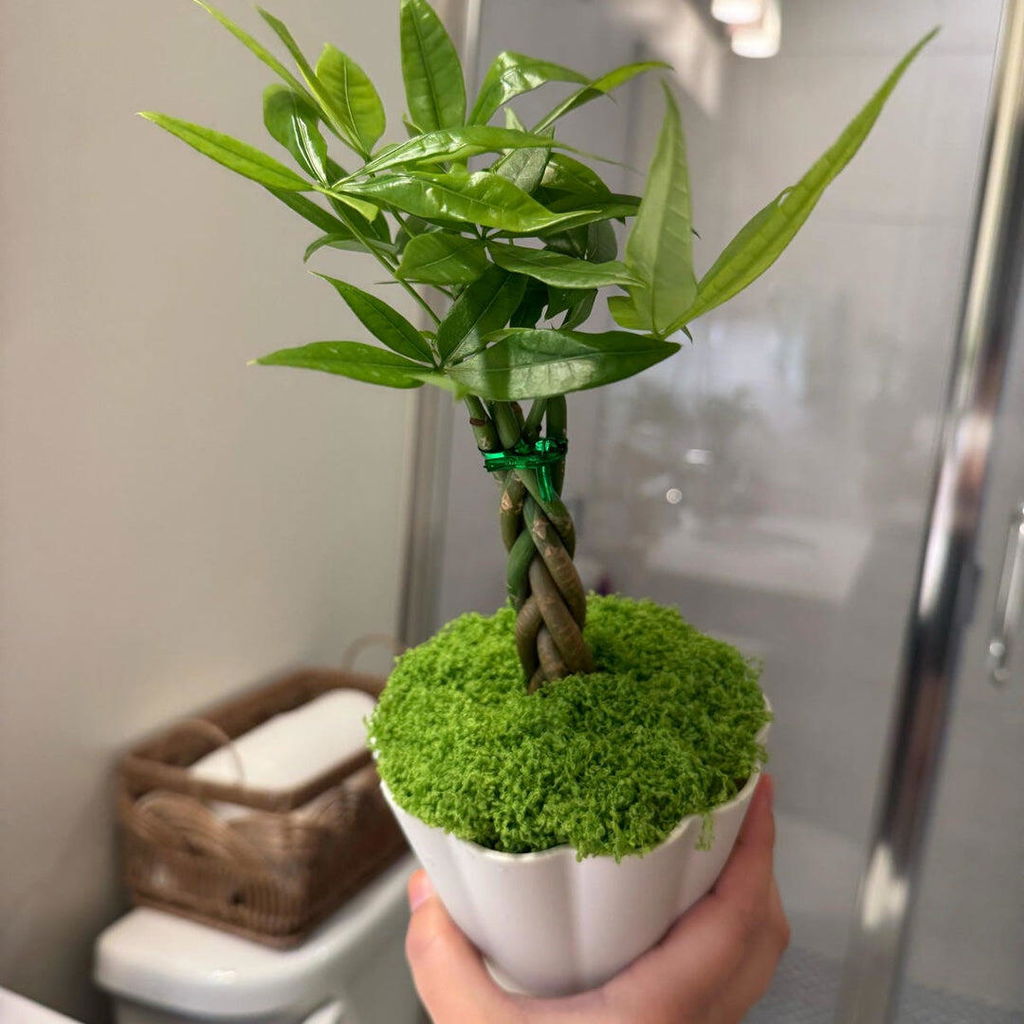
Absolutely stunning plant. I will definitely be back.♥️♥️
Second time ordering from this site, take two…
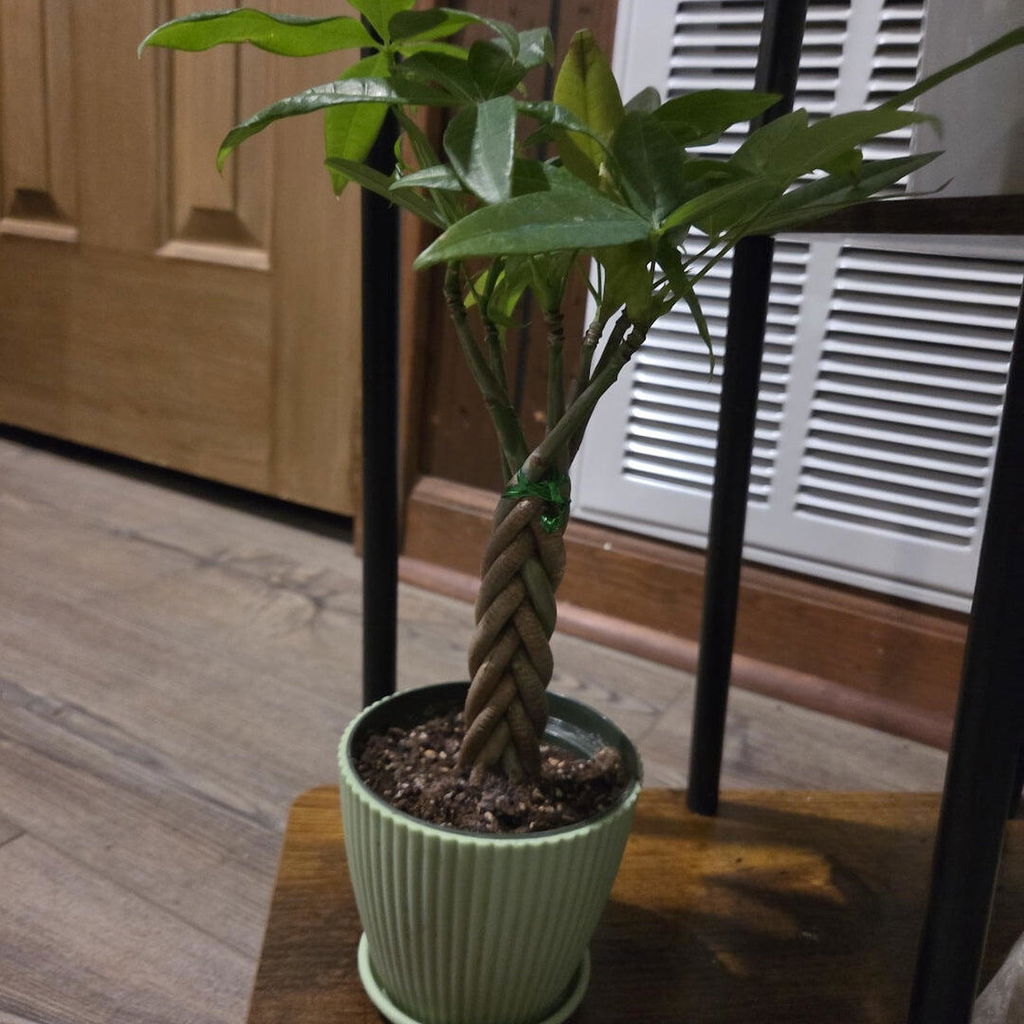


About Echeveria 'German Champagne'
While many hybrids in the Champagne family are known for their pastels, the 'German Champagne' is famous for its "Sugar Heart." It features a classic rosette of thick, fleshy, spatulate leaves with a distinctive Agavoides influence—giving them a pointed, almost crystalline structure.
The base color is a sophisticated silvery-green to pale yellow, protected by a fine, velvety layer of glaucous farina. When stressed by cool temperatures and bright light, the center of the rosette transforms into a deep, glowing ruby-red or magenta. This "bleeding heart" effect, combined with the dark, geometric patterns etched into the farina, makes it one of the most sought-after succulents for professional galleries.
How to Care for Echeveria 'German Champagne'
Sun/Location: To maintain its tight form and unlock the deep red sugar heart, this variety needs 6–8 hours of bright, direct sunlight. It thrives in full sun during the spring and fall. Indoors, it should be placed in your brightest south-facing window. If the heart begins to turn green, it is a signal that the plant requires more light intensity.
Soil/Pot: Drainage is non-negotiable for this high-end hybrid. Use a professional-grade gritty mix (we recommend a 70% mineral ratio using pumice, lava rock, and coarse sand). To protect the roots and allow for maximum evaporation, an unglazed terracotta or breathable ceramic pot is highly recommended.
Watering: This variety is more sensitive to moisture than standard Echeverias. Use the "soak and dry" method, but error on the side of underwatering. Only water when the soil is bone-dry and the bottom leaves feel slightly soft to the touch. Always bottom water or use a precision spout to keep the rosette dry; water trapped in the heart can cause "melting" or smudge the intricate farina patterns.
Propagation: Like most rare Echeverias, it can be propagated through leaf cuttings, though it requires patience due to its slow growth rate. Ensure a clean break from the stem and allow the leaf to callus for 3–5 days before placing it on dry soil. It will also occasionally produce offsets (pups) at the base, which can be separated once they reach about one-third the size of the parent plant.
More Information
Primary color: Silvery-Green / Pale Gold
Stress color: Intense Ruby-Red "Sugar Heart"
Special Trait: Dark geometric imprints and thick farina
Leaf Texture: Hard, thick, and waxy
Cold hardiness: Zone 9b – 11 (Protect if temperatures drop below 40°F)
Product format: in 4'' nursery pot
Special characteristic: Slow-growing boutique hybrid; Pet safe
We have many years of experience shipping live succulents and cactus plants. We pay close attention to packing and have developed an expert shipping method. All succulents are packed and protected with polypropylene cotton (this is a stuffing used for dolls). We find this is the most effective material for protecting live plants while in transit. It is important to us that you are able to Keep going and Keep growing without any stress about the quality of the product or packaging.
Shipping Speed
In general, it takes 3 to 10 days for plants to arrive after you place your order. All orders will be shipped out 48 hours after you place them. We ship the orders on work days(from Monday to Saturday) and all year round. In normal conditions, it will take 3-10 days for you to receive the package. Estimated shipping times are offered as needed.
HOLIDAYS: During weeks in which a holiday occurs - Memorial Day, 4th of July, Labor Day, Thanksgiving, Christmas, New Year's, etc. - shipping may be delayed until the following week.
EXTREME WEATHER NOTICE: The Next Gardener reserves the right to hold shipments during storms or periods of extreme heat or cold. This is to ensure your plant does not suffer while it is in transit.
Winter shipping
We insist on shipping succulents to our customers all year round. However due to the extreme winter weather, although we pack succulents with as much protective material as possible, plants are still at increased risk of frost on their way to colder areas. We highly recommend adding one 72-hour heat pack to your order or you can request a hold on the package until it warms up.
Please note that The Next Gardener is not responsible for packages that suffer cold damage without a heat pack. We cannot control the weather. Order at your own risk.
Hawaii, Alaska, and Other US Territories
Fortunately, shipping is available to Alaska, Guam, and other U.S. Territories. However, due to numerous factors beyond our control, including customs checks and shipping delays, free shipping to Hawaii and Puerto Rico is not an option. And we can not provide the 14-day quality guarantee for orders going to Hawaii and Puerto Rico. The buyer will assume all risk of damage when a delivery is delayed. We appreciate your understanding.
Sorry. No International Shipping for now!!!
Product arrived in great condition!
The tree arrived in perfect condition. Great shipping materials!
Absolutely stunning plant. I will definitely be back.♥️♥️
Second time ordering from this site, take two…