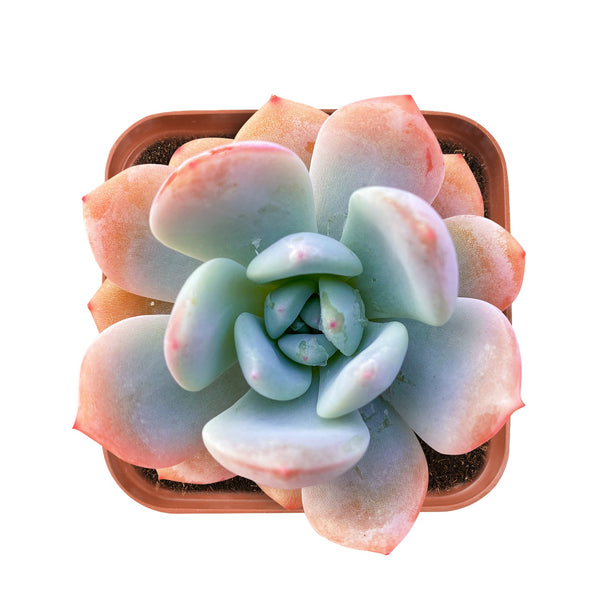
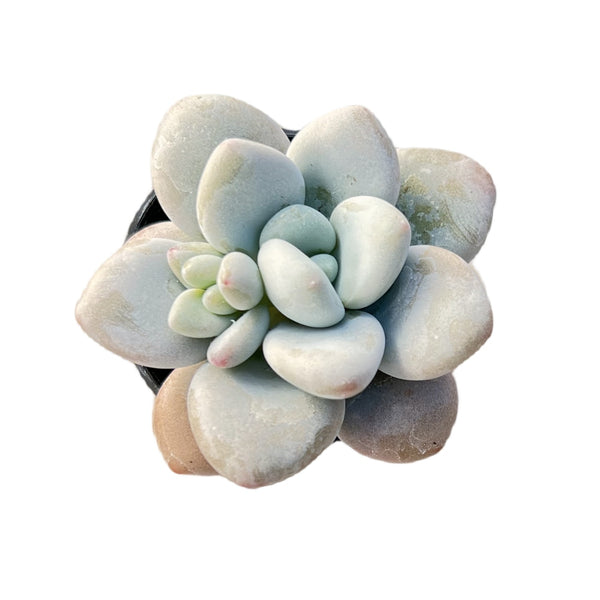
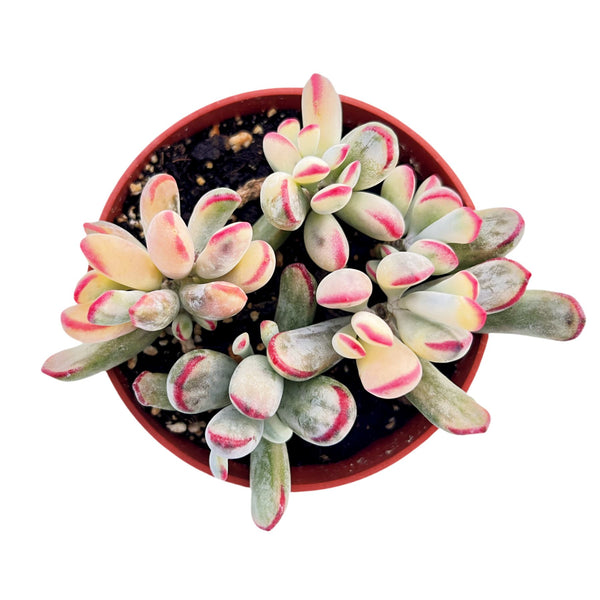
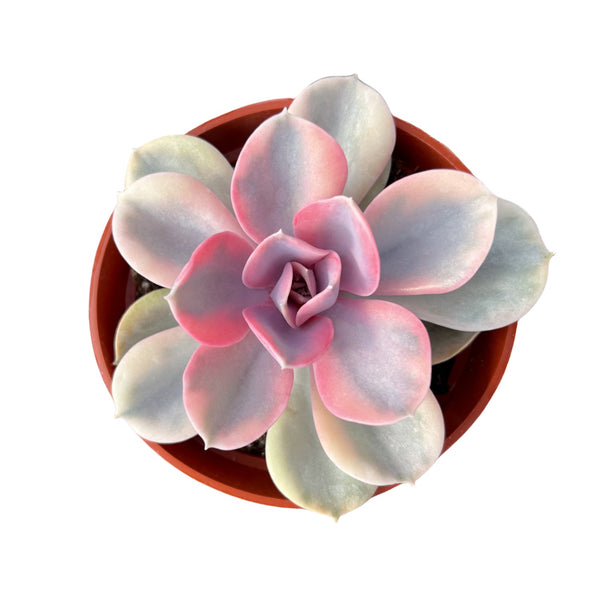
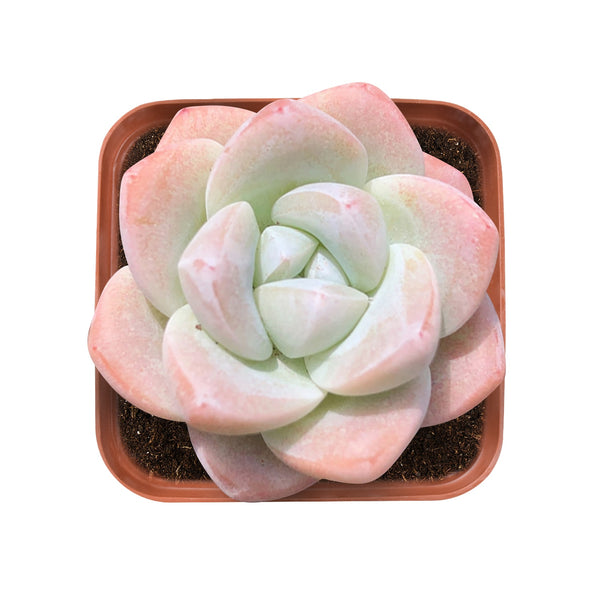
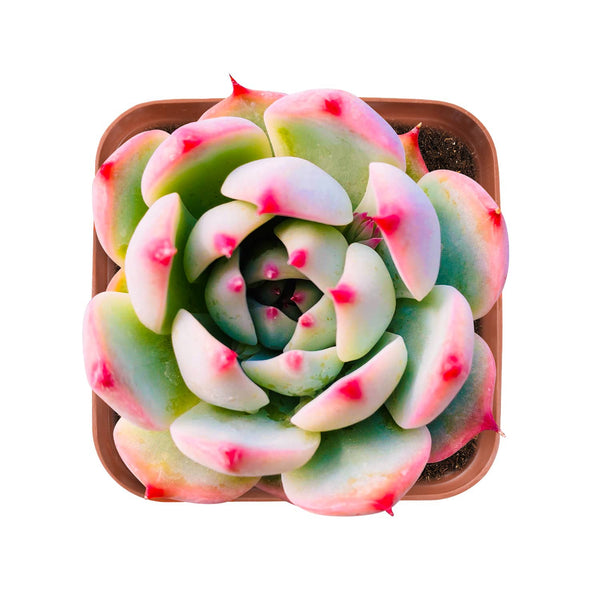
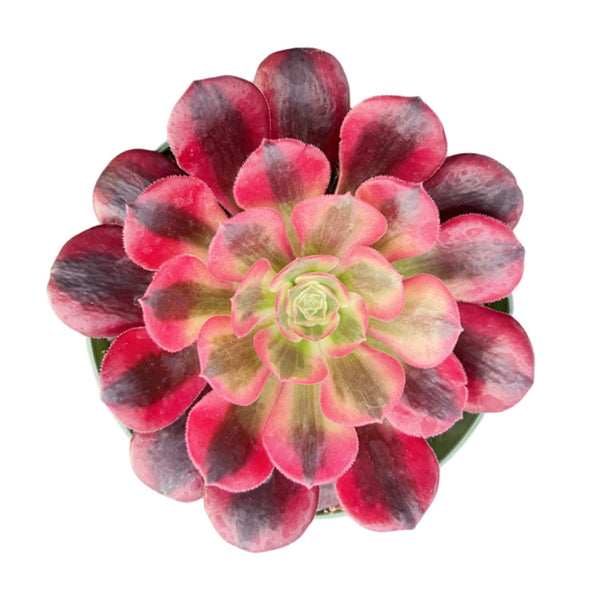
When the weather becomes warm and sunny, it’s the perfect time to enjoy and care for outdoor succulents. Today, let’s take a closer look at Aeonium 'Pink Witch', one of the most striking variegated Aeonium varieties. It is believed to be a mutation of Aeonium 'Blushing Beauty', but its colors are even more vivid and distinctive.
Its rosettes feature a beautiful blend of green, creamy yellow, and soft pink variegation that becomes more intense under bright light. The watercolor-like coloration gives the plant an elegant and dreamy appearance that easily stands out among other Aeoniums.

Like most Aeoniums, Aeonium 'Pink Witch' forms rosettes of thin leaves with gently pointed tips and delicate leaf edges. Despite its delicate appearance, this variety is surprisingly resilient and easy to grow, making it an excellent choice for both beginners and collectors. Now, let’s explore how to care for Aeonium 'Pink Witch'.
How to Care for Aeonium 'Pink Witch'
Plenty of Light
Aeonium 'Pink Witch' thrives outdoors in ample sunlight—typically, its colors transition from green to creamy white to pale pink. With stronger sunlight, the pink edges deepen, sometimes covering the creamy white completely. Remember that Aeonium 'Pink Witch' is a variegated variety with less chlorophyll, making it more susceptible to sunburn. Gradually introduce it to outdoor light as spring arrives, increasing exposure. During summer dormancy and to protect its delicate leaves from scorching, consider moving Aeonium 'Pink Witch' to a shaded spot outdoors or indoors.

Optimal Temperatures
Aeoniums, like us human beings, prefer comfortable temperatures 60°F - 77°F (15-25°C) for optimal growth. In summer, if temperatures soar, move them indoors to a sunny window to preserve their sweet pink hues. In winter, protection from cold depends on your region's climate. If temperatures drop below 7°C, bring them indoors or into a greenhouse. Cold temperatures can damage Aeonium 'Pink Witch' leaves and stems.
Proper Watering
The key to watering is simple: "Soak and Dry" and minimal watering during dormancy. "Soak and Dry" requires little skill; experienced gardeners can water Aeonium 'Pink Witch' like other succulents. Beginners can test soil moisture with fingers or tools; water when the soil is dry, and the pot feels light. During dormancy in summer, when leaves curl inward, resist the urge to water. They're conserving moisture for safety. Every 20 days in cool weather, give 'Pink Witch' a light watering.
Moving Aeonium 'Pink Witch' to a well-ventilated, airy location after watering in summer should not be overlooked, as it significantly helps prevent mold and fungal infections.

Soil and Potting
Like most succulents, Aeonium 'Pink Witch' thrives in a well-draining, airy soil mix. However, since Aeoniums develop relatively slow-growing roots, it is best not to add excessive perlite or this kind of gritty material. A balanced 1:1 mix of grits and succulent potting soil is recommended, providing both drainage and essential nutrients while supporting steady root development. As the plant matures and the stems become woody, it is advisable to incorporate more gritty materials into the soil during repotting to further improve drainage.
Although Aeonium 'Pink Witch' can develop long stems, it is not recommended to grow it in deep containers, especially in humid climates. A deeper pot typically retains more soil volume and moisture, which can easily lead to overly wet conditions and eventually cause root rot. Growing the plant into a container that is only one size larger is sufficient.
Common Issues
Luckily, Aeonium 'Pink Witch' rarely suffers from pest issues. The main serious concern is usually leaf drop caused by root rot, which is often the result of overwatering or prolonged exposure to heavy rain. These problems typically occur in summer, when high temperatures and humidity create ideal conditions for fungal growth.
It is also normal for the lower leaves of Aeonium to naturally wither and drop as the plant grows. However, if you notice excessive leaf loss, it is best to stay calm and carefully observe the situation first.
Start by checking whether the leaf drop affects all rosettes (if the plant has multiple heads) or only a single rosette. If all heads are affected, the most likely cause is root or stem rot due to fungal infection. In this case, remove the plant from the pot and inspect the root system. You may need to replace the soil with a grittier mix and adjust your watering habits. If rot is confirmed, salvaging healthy cuttings for propagation may be the most reliable way to save the plant.
If only one head is affected while the others remain healthy, you can sterilize the scissors, remove the damaged rosette, and then continue monitoring the rest of the plant over the following days.
If both roots and soil appear healthy, consider evaluating light exposure. Excessive sunlight may cause leaf edges to dry and turn yellow, while insufficient light can lead to weak, droopy leaves and eventual leaf drop.
If the roots appear dry and shriveled, it may indicate that the soil mix is too coarse and unable to retain enough moisture during watering. It means the water flows out of the pot too quickly before the roots have some time to "catch" it. And adjustments to the growing medium may be necessary.
In addition to using a proper soil mix and an appropriately sized pot, good ventilation is essential during this season. Placing the plant in a well-ventilated area—or even using a fan—can significantly improve airflow and reduce the risk of fungal problems.
How to Propagate Aeonium 'Pink Witch'
For Aeonium 'Pink Witch', beheading is the preferred method due to its delicate leaves, which make leaf propagation challenging. Here's a simple guide if you haven't tried it yet:
You'll Need:
- *A multi-headed Aeonium 'Pink Witch'
- *Sharp scissors
- *Planter pot
- *Cactus soil mix
Step-by-step:
1. Sterilize the scissors, then cut the Aeonium stem about 1~2 inches below the rosette.
2. Let the cutting callus over in a bright, dry location before planting.
3. Gently insert the cuttings into the prepared soil mix.
4. Wait about one week before watering lightly, once roots begin to form (you will notice fresh green growth emerging from the center of the rosette).
5. Continue with regular care as described above.

FAQ
How do I get a multi-headed Aeonium 'Pink Witch'?
The easiest way is to purchase Aeonium 'Pink Witch'. You can also encourage multi-headed growth by removing middle leaves to redistribute nutrients. Soon, you'll see new pups emerging, eventually forming a stunning bouquet-like shape.

How do I help Aeonium 'Pink Witch' root quickly or recover from repotting?
Using 100% 3–5 mm vermiculite is an effective method for encouraging root development in Aeonium 'Pink Witch' during propagation or after repotting. However, this approach works best in spring, autumn, and winter. In summer, both vermiculite rooting and water propagation carry a higher risk of fungal growth and mildew due to heat and humidity.
Therefore, if Aeonium 'Pink Witch' needs to develop new roots during the summer, a safer method is to plant it in a dry succulent soil mix and keep only the surface lightly moist. Once autumn arrives, you can gradually move the plant outdoors and resume a more regular watering routine.
How can I tell when Aeonium is dormant?
Look for curled-up leaves indicating dormancy. As it awakens, leaves gradually unfurl, and new growth emerges.

Conclusion
Above all, patience is essential. Like many Aeoniums, the Pink Witch may shed older leaves naturally and shift in appearance as it grows, but these changes are part of its natural rhythm rather than a sign of decline. In conclusion, caring for Aeonium 'Pink Witch' is all about finding a gentle balance between light, airflow, and careful watering. This striking variegated Aeonium rewards consistent bright conditions, especially during the cooler seasons, when its pink tones become most vivid and expressive.