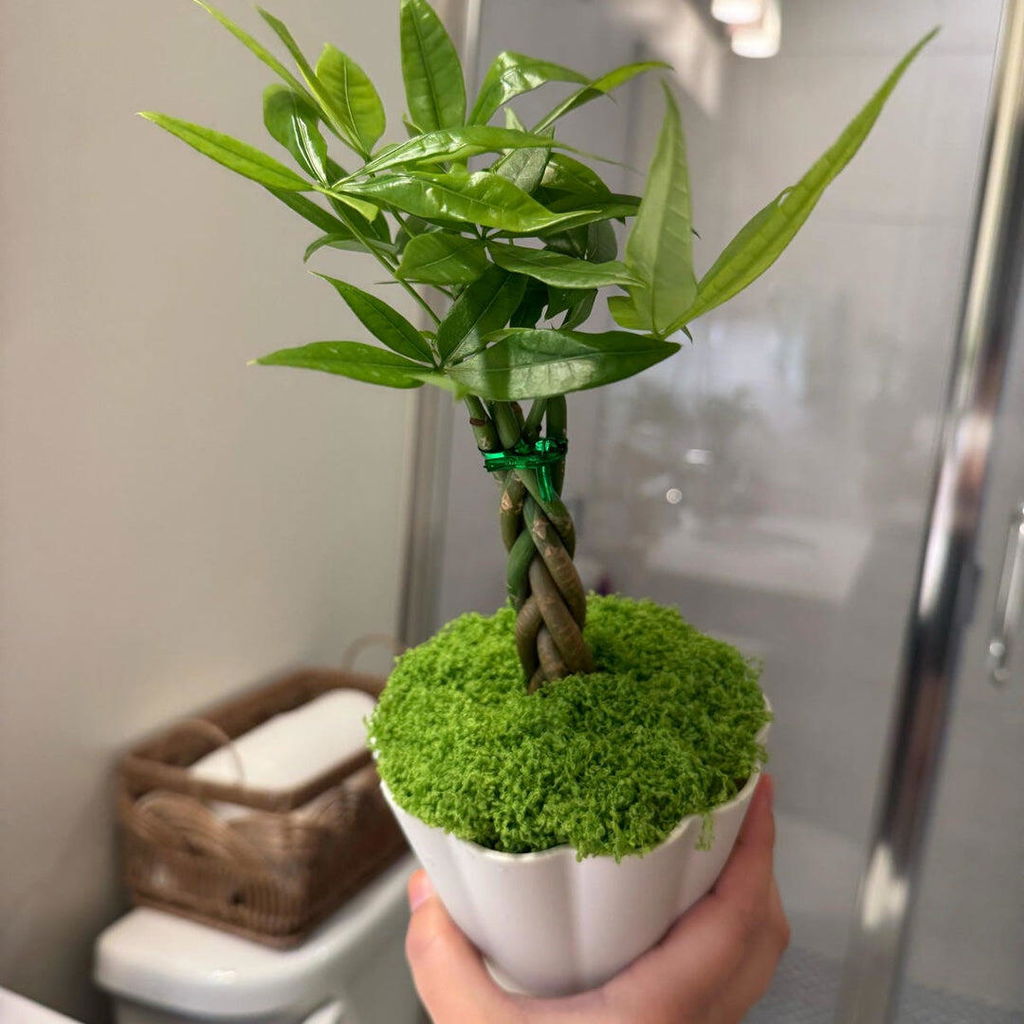
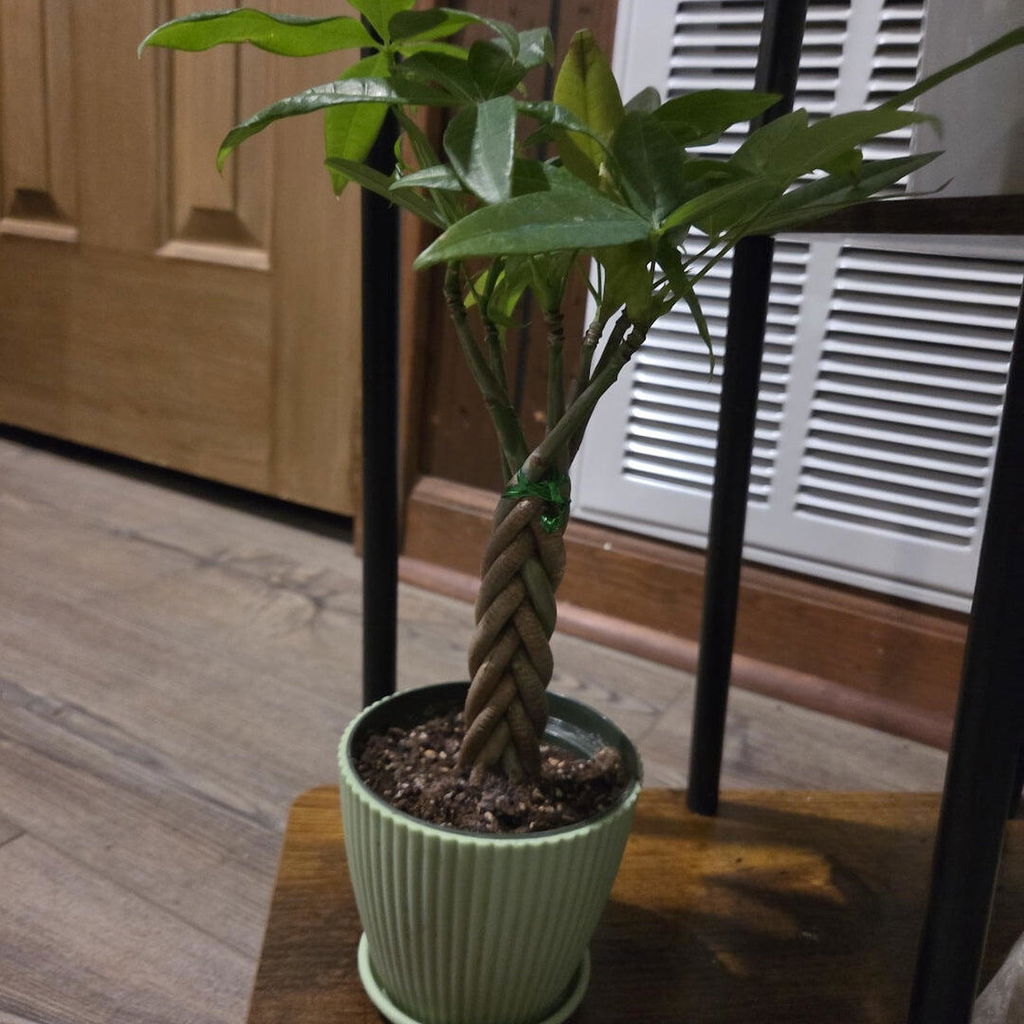
If you’ve wandered into a plant shop in Portland, browsed Etsy for boho home decor, or scrolled TikTok’s #PlantTok lately, you’ve probably spotted a money tree kokedama. This fusion of Pachira aquatica (the beloved money tree) and kokedama (the Japanese art of wrapping plant roots in moss and string) has taken U.S. plant culture by storm—and for good reason. It’s compact (perfect for NYC apartments or Seattle studios), visually striking (that lush green moss ball pops against neutral walls), and carries the same prosperity symbolism as its potted cousin.
But here’s the catch: caring for a money tree kokedama isn’t the same as tending to a regular potted money tree. The moss ball adds a layer of complexity—too dry, and the moss dies; too wet, and the money tree’s roots rot.

We’ll cover its unique biology, core care rules (watering, light, temperature, and, climates), troubleshooting common issues, and even how to refresh a struggling moss ball. Let’s dive in.
What Is a Money Tree Kokedama, Anyway?
Before we talk care, let’s get clear on what makes this plant different. Traditional kokedama originated in Japan as a minimalist way to display plants without pots—think of it as “living art.” For money tree kokedama, growers take a young Pachira aquatica (usually with 3–5 leaflets per stem, the classic “hand” shape) and wrap its root ball in sphagnum moss (sometimes mixed with peat moss for extra moisture retention). The moss is then secured with natural twine (jute or cotton) to form a tight, round ball.

Why has this trend exploded in the U.S.? For one, it’s space-efficient—no bulky pot means it fits on bookshelves, hanging macramé holders, or tiny kitchen windowsills. It also fits perfectly with popular decor styles: boho, Scandinavian, and minimalist. But unlike a potted money tree, the moss ball is not just for show—it’s a functional part of the plant’s ecosystem. The moss acts as a natural sponge, holding water while letting air circulate to the roots. But this balance is delicate, especially in U.S. homes, where humidity levels swing from 10% (dry winter heat in Chicago) to 80% (humid summer in Miami).
First, a quick note on moss types: Most money tree kokedamas use sphagnum moss (either live or preserved). Live sphagnum is greener, softer, and actively helps retain moisture—but it needs more care. Preserved sphagnum (often dyed green) is low-maintenance but doesn’t contribute to hydration. If you’re buying a kokedama, ask the seller which type they used—this will change your care routine.
Core Care Rules for Money Tree Kokedama
1. Watering: The Most Critical (and Tricky) Step
For money tree kokedamas, watering is make-or-break. Too little, and the moss dries out, turns brown, and crumbles; too much, and the money tree’s roots suffocate and rot. Unlike potted plants, you can’t just pour water on top—you need a method that hydrates the moss and the roots evenly.
The Right Watering Methods for U.S. Homes
- The Soak-and-Squeeze Method (Best for Most Climates): This is the gold standard for kokedama care. Fill a bowl or sink with room-temperature water (cold water shocks roots—especially in winter!). Submerge the entire moss ball (leave the money tree’s leaves above water) and let it soak for 10–15 minutes. You’ll know it’s ready when the moss feels heavy and pliable. Lift the kokedama out, hold it over the sink, and gently squeeze the moss ball with your hands (like wringing out a wet towel) to remove excess water. Don’t squeeze too hard—you don’t want to compact the moss or damage roots.

Pro Tip for Dry Climates (Arizona, New Mexico, Colorado): Add a drop of liquid seaweed fertilizer (diluted to half strength) to the soak water once a month. This feeds the moss and money tree without burning them, which is crucial in dry air that leaches nutrients.
- Misting: For Between Soaks (But Not a Replacement!): Mist the moss ball with room-temperature, dechlorinated water 2–3 times a week—but only if the moss feels slightly dry to the touch. Use a fine-mist spray bottle (you can find these at Target or Home Depot for 5–10) to avoid drenching the moss.
Warning for Humid Climates (Florida, Louisiana, Hawaii): Skip misting if your home’s humidity is above 60%. Too much moisture on the moss can lead to mold or mildew—we’ll cover that later.

How to Tell When Your Kokedama Needs Water
Forget schedules—they don’t work for kokedamas, especially in variable U.S. weather. Instead, use these 3 cues:
- Weight: Lift the kokedama. A dry moss ball feels light; a hydrated one feels heavy (you’ll notice the difference after the first soak).
- Moss Color: Live sphagnum moss is bright green when wet; it turns pale green or brown when dry. Preserved moss won’t change color, so rely on weight here.
- Squeeze Test: Gently pinch the moss ball. If no water beads up and the moss feels crisp, it’s time to soak. If it’s damp and pliable, wait 2–3 days.

U.S. Regional Watering Adjustments
- Northern States (Minnesota, Maine, Michigan): Winter heating dries out air fast—soak your kokedama every 7–10 days, and mist 3 times a week. Avoid placing it near radiators (dry heat kills moss!).
- Southern States (Texas, Georgia, Florida): Humid air means less frequent soaks—every 10–14 days. Skip misting entirely in summer to prevent mold.
- West Coast (California, Oregon, Washington): Mild, foggy winters and dry summers—soak every 8–12 days. Mist once a week in summer (when fog clears) but not in winter (fog adds enough moisture).
2. Light: Give It Bright, Indirect Light (No Scorching!)
Money trees love light—but their moss balls hate direct sun. Here’s how to balance both, no matter where you live in the U.S.:

Ideal Light Conditions
Your money tree kokedama needs 4–6 hours of bright, indirect light daily. This means:
- Best Windows: East-facing windows (morning sun is gentle, no midday heat) or south-facing windows with a sheer curtain (filters harsh afternoon sun).
- Worst Spots: West-facing windows (afternoon sun in Arizona or Texas will scorch moss and leaves) or dark corners (no light = leggy growth and moss decline).
Low-Light Areas (U.S. North & Midwest)
If you live in a home with few windows (e.g., a Chicago high-rise) or during winter (when days are short in Alaska), use an LED grow light.
Here’s how to do it right:
- Light Type: Choose a full-spectrum LED (look for “indoor plant” or “seedling” lights— brands like Roleadro or GE work well, and you can find them on Amazon for 20–30).
- Placement: Hang the light 12–18 inches above the kokedama (too close = burnt leaves; too far = no benefit).
- Timer: Set it for 8–10 hours a day (mimics summer daylight). Turn it off at night—plants need darkness to rest, even with a grow light.

Regional Light Tips
- Desert States (Arizona, Nevada): Even east-facing windows can get intense sun—use a double sheer curtain. Place the kokedama 2–3 feet away from the window (not on the sill).
- Pacific Northwest (Oregon, Washington): Overcast days are common—keep the kokedama as close to a south-facing window as possible. Use a grow light from November to February.
- Northeast (New York, Massachusetts): Winter sun is weak, but summer sun is strong—move the kokedama 1 foot away from the window in June, and back closer in December.
3. Temperature & Humidity: Keep It Tropical (But Not Sweltering)
Money tree kokedamas are tropical plants at heart—they hate cold, dry air. Here’s how to create the right environment in U.S. homes:
Ideal Temperature Range
- Daytime: 65–75°F (18–24°C) – this matches most U.S. home temperatures in winter (if you keep your thermostat at 68°F, you’re golden).
- Nighttime: No lower than 60°F (15°C) – a problem for homes in Minnesota or Maine that drop thermostats to 55°F at night. If this is you, move the kokedama to a bedroom or bathroom (these rooms stay warmer overnight).

Humidity: Non-Negotiable for Moss
Moss needs humidity to survive—ideally 50–60%. Most U.S. homes hover at 20–40% in winter (thanks to heating) and 40–50% in summer. Here’s how to boost it:
- Humidifier: The easiest fix. Place a small ultrasonic humidifier (like the Levoit Classic 200, popular on Amazon) 1–2 feet away from the kokedama. Set it to 50% humidity—use a hygrometer (a $10 tool from Walmart) to monitor levels.
- Pebble Tray: Fill a shallow tray with pebbles, add water until it’s just below the pebbles, and set the kokedama on top (make sure the moss ball doesn’t touch the water—this prevents rot). The water evaporates, adding moisture to the air. Refill every 3–4 days.

- Bathroom Placement (for Small Kokedamas): If your bathroom has a window (even a small one), hang the kokedama there. Showers add natural humidity—but make sure it’s not in direct spray (waterlogged moss = mold).
Regional Temperature/Humidity Fixes
- Midwest (Illinois, Ohio): Winter is cold and dry—pair a humidifier with a pebble tray. Avoid placing the kokedama near drafty windows (use a draft stopper if needed).
- Southeast (North Carolina, South Carolina): Summer is hot and humid—keep the kokedama in a room with AC (but not directly in front of the vent). AC dries air, so mist once a week.
- California Coast (San Francisco, Los Angeles): Cool, foggy summers mean humidity is high—no need for a humidifier. Winter is dry—add a pebble tray.
4. Fertilizing: Feed Sparingly (Moss Hates Overfeeding!)
Unlike potted money trees, you can’t just dump fertilizer on your kokedama—too much will burn the moss and the money tree’s delicate roots. Follow these rules:
When to Fertilize
- Growing Season: Spring (March) to early fall (September) – this is when the money tree is actively growing. Skip fertilizing in winter (the plant is semi-dormant, and moss doesn’t need extra nutrients).

What to Use
- Best Fertilizer: Liquid, water-soluble fertilizer diluted to ¼ strength. Look for a balanced formula (e.g., 10-10-10) or one made for tropical plants (like Miracle-Gro Tropical Plant Food). Avoid granular fertilizer—it can sit in the moss and burn roots.
- Alternative for Organic Gardeners: Diluted fish emulsion or seaweed extract (e.g., Neptune’s Harvest) – these are gentle on moss and provide natural nutrients.
How to Apply
- Mix the fertilizer into the water you use for soaking (not misting!). This ensures the nutrients are evenly distributed to the roots and moss without concentration.
- Fertilize only once every 4–6 weeks—more than that will turn the moss yellow or brown.

5. Moss Ball Maintenance: Keep It Tight and Healthy
Over time, the moss ball may loosen, dry out, or develop bare spots. Here’s how to refresh it—no green thumb required:
Fixing Loose Twine
If the twine starts to unravel (common after 6–12 months), wrap new jute or cotton twine around the ball. Pull gently but tightly—you want to hold the moss in place without crushing the roots. Tie a knot at the bottom (hidden from view) and trim excess twine.

Refreshing Dying Moss
If parts of the moss turn brown (from dry air or under-watering):
- Soak the kokedama for 20 minutes (longer than usual) to rehydrate the moss.
- Gently remove any dead, crumbly moss with your fingers.
- Tear small pieces of fresh sphagnum moss (available at garden centers like Lowe’s) and press them into the bare spots.
- Wrap new twine around the area to hold the fresh moss in place. Mist daily for a week to help the new moss attach.
Preventing Mold/Mildew
Mold (white or gray fuzz) grows on moss when it’s too wet and has poor air flow. Fix it:
- Move the kokedama to a well-ventilated spot (near an open window, but not in a draft).
- Gently brush off visible mold with a soft-bristled brush (like a makeup brush).
- Skip soaking for 10 days—only mist lightly if the moss feels dry.
- If mold comes back, mix 1 teaspoon of baking soda with 1 cup of water and spray the moss (avoid leaves!). Let it dry completely—this kills mold without harming the plant.

Troubleshooting Common Money Tree Kokedama Problems
Even with the best care, issues can pop up—especially when U.S. weather swings (e.g., a cold snap in Texas or a heatwave in Oregon). Here’s how to diagnose and fix the most common problems:
1. Moss Ball Is Dry and Crumbly
- Causes: Under-watering, dry air (from heating/AC), or direct sun.
- Fix: Soak the kokedama for 20 minutes, then mist daily for a week. Move it to a shadier spot with higher humidity (e.g., near a humidifier). If moss is mostly dead, refresh with new sphagnum moss (see Part 2.5).

2. Money Tree Leaves Are Yellowing
- Causes: Over-watering (roots rot, can’t absorb nutrients) or over-fertilizing (burns roots).
- Fix: If over-watered: Stop soaking for 10–14 days, and place the kokedama in a well-ventilated spot to dry out. If leaves keep yellowing, gently unwrap a small part of the moss—if roots are brown and mushy, trim them with clean scissors and refresh the moss. If over-fertilized: Soak the kokedama in plain water for 30 minutes to flush out excess fertilizer. Skip fertilizing for 2 months.

3. Moss Has White Fuzz (Mold)
- Causes: Too much moisture (misting too often, humid climate) or poor air flow.
- Fix: Brush off mold, move to a ventilated spot, and reduce watering. If mold persists, use a baking soda spray (see Part 2.5).

4. Money Tree Leaves Are Drooping
- Causes: Cold shock (temperature below 60°F) or underwatering.
- Fix: If cold-shocked: Move to a warmer spot (65–70°F) and avoid moving it for a week. If underwatered: Soak immediately—leaves should perk up within 24 hours.
5. Moss Is Turning Black
- Causes: Root rot (from over-watering) – the rot spreads to the moss.
- Fix: Unwrap the moss ball and check roots. Trim all brown/mushy roots with clean scissors. Replace ½ the moss with fresh sphagnum, rewrap with twine, and soak lightly. Keep in a cool (65°F) spot with good air flow—only water when moss feels dry.
Pro Tips for Long-Term Kokedama Success
Want your money tree kokedama to last 2+ years (yes, it’s possible!)? Try these expert hacks:

- Rotate It Weekly: Turn the kokedama ¼ turn every Sunday—this ensures all sides get equal light, so the money tree doesn’t lean toward the window.
- Avoid Moving It Too Much: Moss is slow to adapt to new environments. Pick a spot and stick with it—only move if you notice problems (e.g., sun scorch, mold).
- Use Distilled or Rainwater (If Possible): Tap water in cities like Phoenix or Detroit has high chlorine/fluoride levels, which can dry out moss over time. Collect rainwater (if you live in a rainy state like Oregon) or use distilled water for soaking.
- Hang It for Better Air Flow: Use a macramé hanger (trendy and functional!) to suspend the kokedama—this keeps it away from cold floors (in winter) and improves air flow around the moss.
- Repot When Roots Escape: After 1–2 years, you may see roots growing through the moss. This means the money tree needs more space! Gently unwrap the moss, repot the money tree in a small pot with well-draining soil (or make a larger kokedama with more moss).
Conclusion
Kokedama care is a learning curve—don’t stress if your moss turns a little brown or your money tree droops once. The beauty of this plant is that it’s forgiving, and with time, you’ll learn to read its cues (Is the moss heavy? Are the leaves perky?). Whether you’re in a tiny Brooklyn apartment or a spacious Colorado home, a money tree kokedama adds life and personality to any space—all while bringing a little extra prosperity (fingers crossed!).
Now go give your moss ball a gentle squeeze—does it need a soak? Your kokedama will thank you.