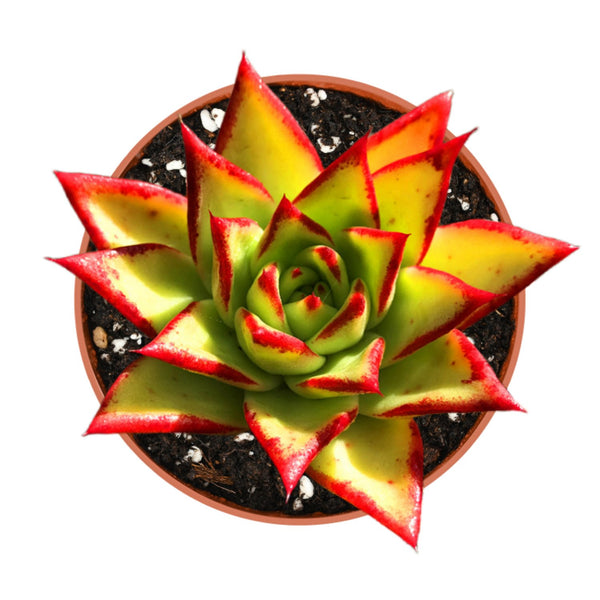
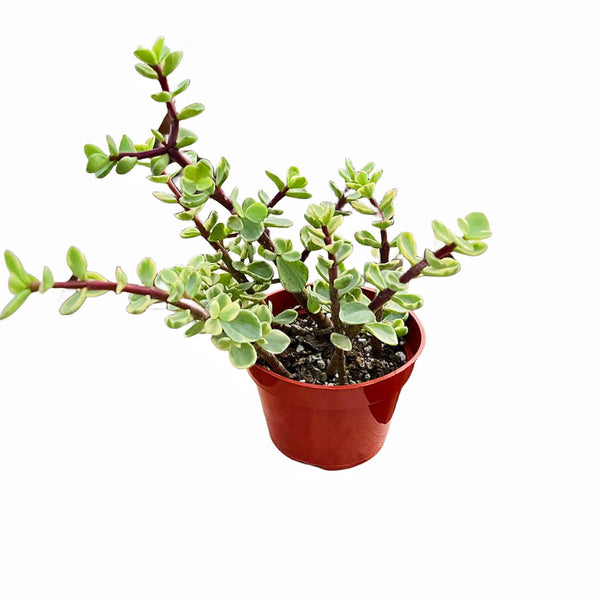
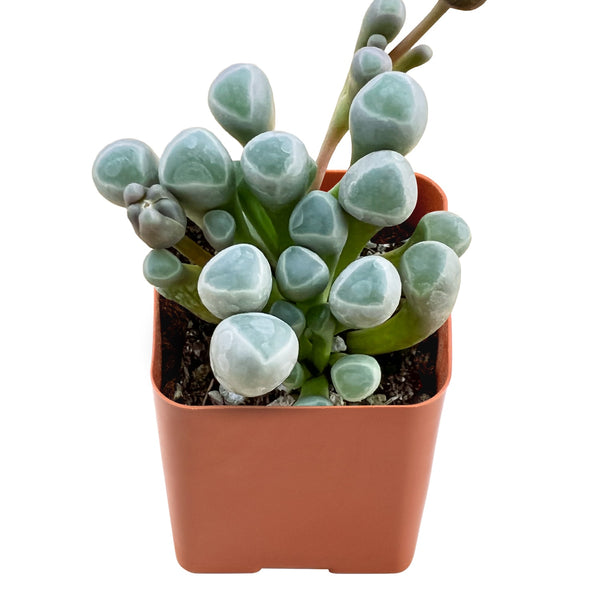
Growing succulents as potted plants can be a delightful and rewarding experience. For succulent enthusiasts, there's nothing quite as satisfying as receiving a new batch of succulent plants. However, you may ponder questions like, "What size pot is ideal for my succulents?" or "How do I choose the perfect pots for different succulents?"

Today, we'll dive into this topic and provide some insights.
Why you need to choose the right size pot for succulents
The size of the succulent pot plays a vital role in the health of succulents. If the planter pot is too small, it might restrict growth and limit root development, leading to frequent repotting. On the other hand, using a planter pot that's too large can make it challenging to control watering, potentially leading to overwatering or underwatering for your succulents.
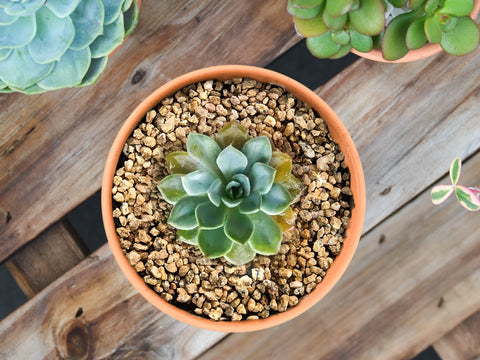
How to Choose the Size for Succulent Plants
When choosing the perfect pot size, there are two main factors: the pot's diameter and depth.
Choosing the Perfect Pot Diameter
Based on Succulent Size
There's a timeless gardening rule to remember: "Small succulents go in small pots, while large succulents deserve bigger pots." This principle simplifies the process of pot selection in potting succulents. A widely accepted rule of thumb is to opt for a pot with a diameter approximately 10% larger than the succulent's widest point. For example:
1. If you have a 2-inch succulent, choose a pot with a 2.5-inch diameter.
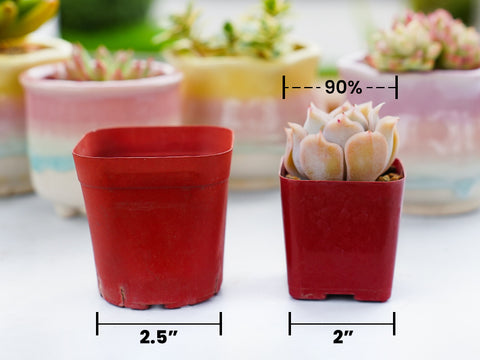
2. For a 4-inch succulent, select a pot with a 4.5-inch diameter.
3. And so on, following this pattern.
By following this guide, you provide your succulents with the ideal space for growth, while also making watering a breeze.
Based on Growth Rate
Selecting the right pot diameter for your succulents is about understanding their growth speed. Different genera of succulents have varying growth rates; for fast-growing varieties, you'll want to provide ample space, typically around 50% larger than the succulent's size. Here are some common succulent species known for their rapid growth:
Aeonium: Aeonium arboretum, Aeonium haworthii, Aeonium 'Pink Witch'. These Aeonium succulents may reach a diameter of 12 inches within a year.
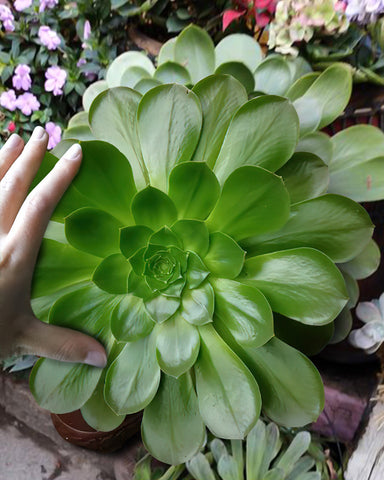
Echeveria: Echeveria 'Lola', Echeveria Afterglow, Echeveria 'Perle von Nürnberg'. In one year, they can develop a rosette with a 4 to 6 inches diameter, depending on growing conditions.
Kalanchoe: Kalanchoe blossfeldiana, Kalanchoe tomentosa, Kalanchoe fedtschenkoi. Kalanchoe blossfeldiana can reach a height of 12 to 18 inches and develop a rosette with a 6 to 12 inches diameter within one year under optimal conditions.
So, before diving into pot selection, it's essential to understand your succulents.
Choosing the Right Pot Depth
Succulent Shape
Their root systems tend to be shallow for succulents with rosette-like forms, such as Echeveria and Sempervivum. Opt for garden pot depths ranging from 2 to 4 inches to suit their shallower root structures.


When using a deeper pot, adding filler material to the lower portion can be a practical solution. Lightweight, well-draining materials can occupy some of the unused space before adding the succulent soil. This reduces the amount of soil needed while keeping the planting area appropriately sized for the root system. It can also help prevent excess soil from staying wet around the roots, particularly when the pot is deeper than the plant actually requires. Always make sure the container still has adequate drainage and that the filler material does not block the drainage opening.

Succulent Root Growth
Some succulent species, like Agave, Aloe, and Haworthia, have root systems that tend to grow vertically downward. These plants develop a taproot-like structure that delves deep into the soil. It's advisable to select planter pots with greater depth to accommodate this vertical root growth.
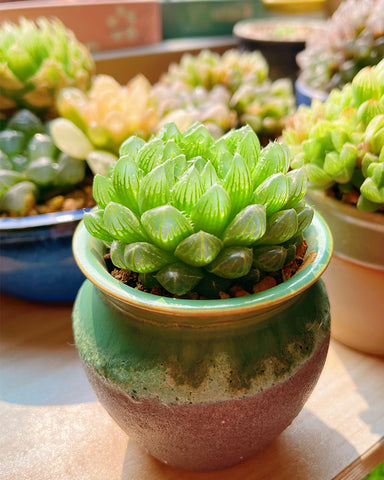
Deeper succulent planters not only accommodate the natural growth tendencies of these succulents but also enhance their stability and overall growth. It allows them to establish a robust root system that anchors them securely in the soil.
The Benefits of Choosing the Right Size Succulent Pot
Promoting Healthy Root Development: Succulents thrive when their roots have sufficient space to spread and establish. Properly sized succulent pots allow for robust root systems, ensuring succulents can absorb essential nutrients and moisture effectively.
Precision in Succulent Control: Many succulent enthusiasts relish the opportunity to control their plants' size, color, and overall appearance. For example, small pots are a favorite among enthusiasts seeking smaller succulents. These containers limit nutrient availability in the soil, leading to compact, well-proportioned plants.
Encouraging Growth for Clustering Succulents: Bigger planters offer the generous space succulents need to spread their roots and grow in abundance. Clustering succulents like Echeveria, Sempervivum, or Sedum can thrive in roomy containers, creating lush and visually appealing arrangements.
Extra tips for choosing a succulent pot
1. Remember to choose pots with drainage holes.
2. Compared to plastic containers, clay pots and cement pots are more breathable and better suited for long-term succulent growth.
Inclusion
In conclusion, whether your succulents live in an apartment or a grand villa home depends on the unique growth habits of your succulents. By getting to know your succulents and following the principles outlined above, you can effortlessly select the perfect-sized pots for them.