For many succulent enthusiasts, summer is the most challenging season of the year. High temperatures, intense sunlight, humidity, and unexpected rainstorms can leave succulents looking tired, stretched, dehydrated, or even damaged. You may notice dried lower leaves, faded colors, slower growth, or plants that simply don't look as healthy as they did in spring.
The good news is that autumn marks a fresh start for most succulents.
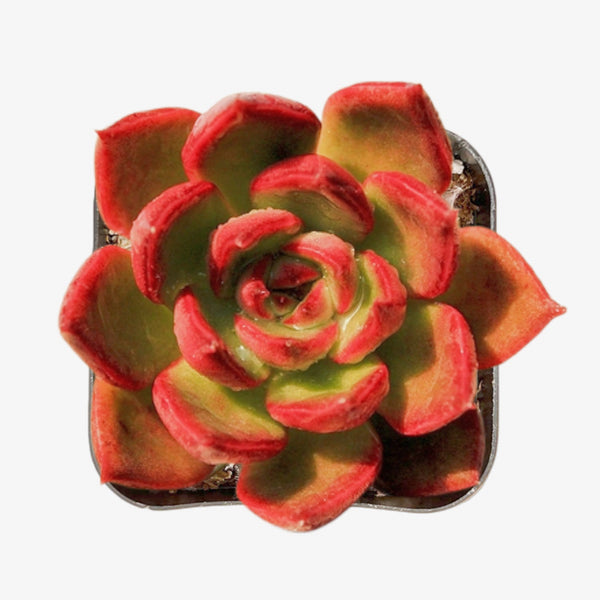
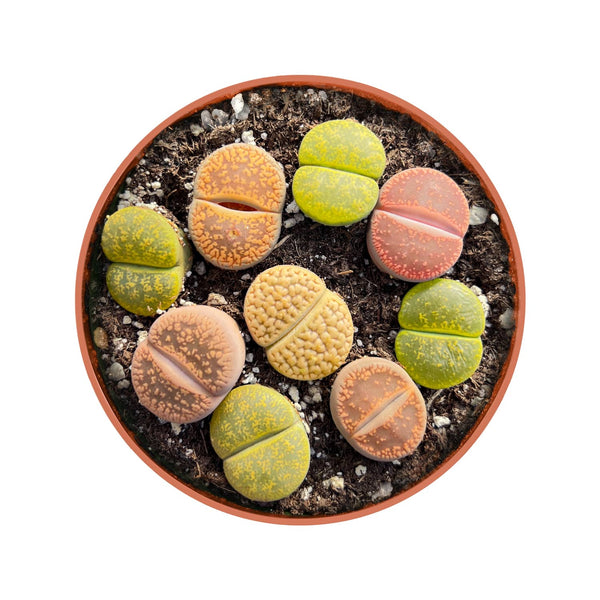
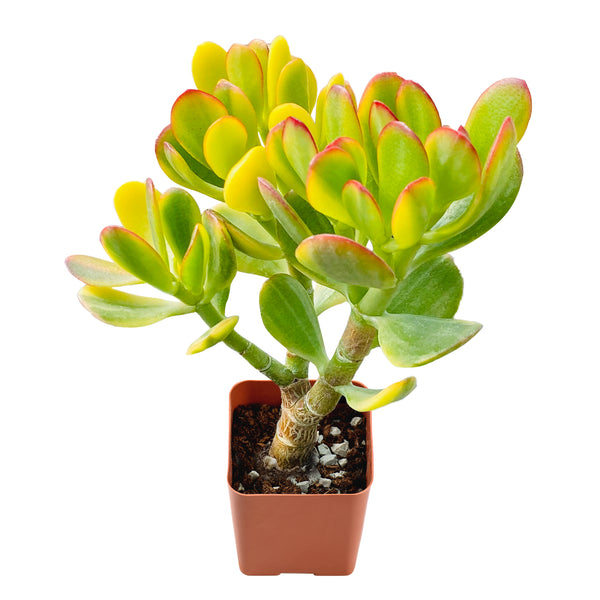
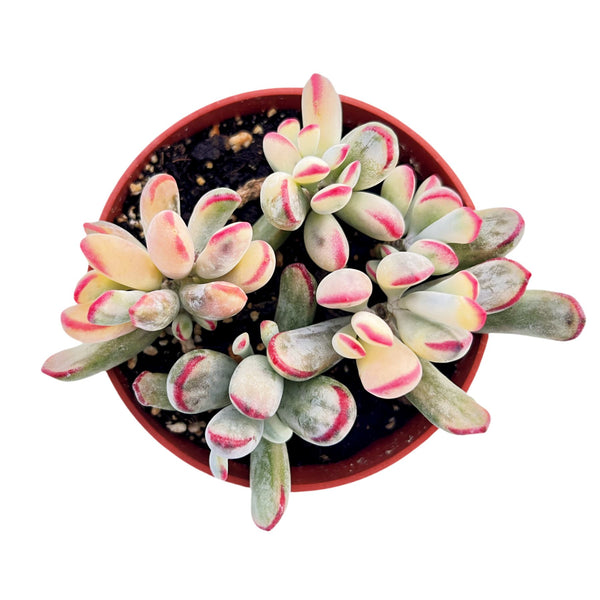
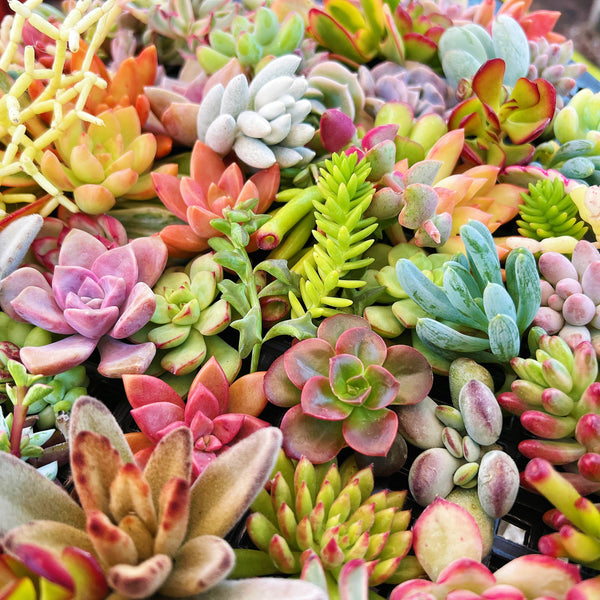
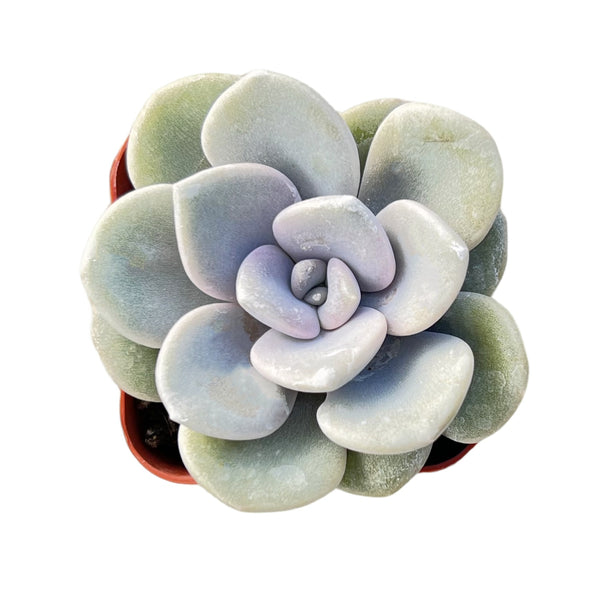
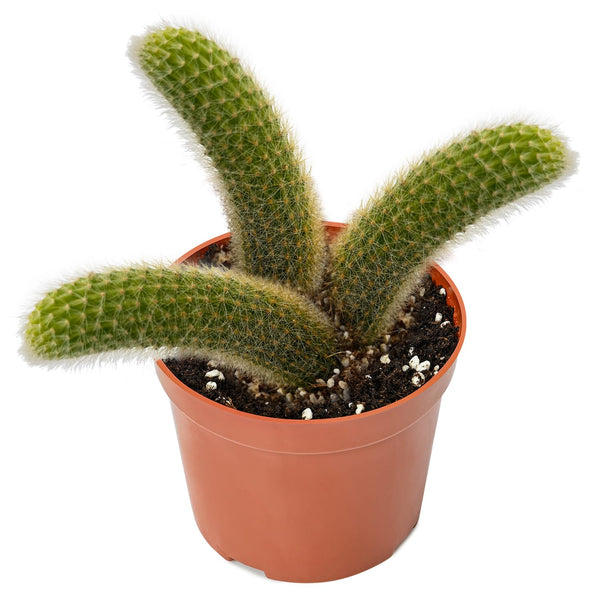
As temperatures begin to cool, widely popular varieties such as Echeveria, Graptoveria, Sedum, Pachyphytum, Crassula, Graptopetalum, and Haworthia wake up from their summer slowdown and enter one of their most active growing seasons. This makes autumn the ideal time to help your succulents recover, encourage compact growth, and prepare them for the colder months ahead.

In this guide, you'll learn exactly what to do with your succulents after summer, why these steps matter, and how to help your plants thrive throughout autumn.
1. Gradually Increase Sunlight Exposure
If you protected your succulents with shade cloth or moved them into partial shade during summer, avoid placing them directly back into full sun on the first cool day. Although temperatures are lower, the sunlight can still be intense enough to scorch leaves that have adapted to shade.
Instead, gradually increase light exposure over two to three weeks. Start by giving your succulents several hours of gentle morning sunlight. As they adjust, slowly extend the amount of direct sunlight they receive each day.

Most colorful rosette succulents perform best with around five to six hours of direct sunlight daily during autumn. This gradual transition allows plants to rebuild their protective pigments without developing sunburn.
2. Resume Normal Watering
One of the biggest mistakes beginners make is continuing their summer watering schedule into autumn.
During hot weather, many succulents receive less water because growth slows and excess moisture can quickly cause root rot. Once autumn arrives, however, their roots become active again and water demand increases.

Instead of watering on a fixed schedule, always check the soil first. Water thoroughly only after the potting mix has completely dried out. A deep watering encourages roots to grow downward, making plants stronger and more drought-tolerant.
Depending on your local climate, watering every seven to fourteen days is common during autumn, although frequency will vary based on temperature, humidity, pot size, and soil type. Remember that overwatering remains far more dangerous than underwatering.
3. Start Fertilizing Again
If you stopped fertilizing during the hottest part of summer, autumn is an excellent time to begin feeding your succulents again. Since the plants are actively growing, they can make good use of additional nutrients.
Choose a balanced liquid fertilizer designed for succulents or houseplants and dilute it to one-quarter or one-half of the recommended strength. Applying fertilizer once every three to four weeks is usually enough throughout autumn.

Avoid overfertilizing, as excessive nutrients encourage soft, elongated growth instead of the compact, symmetrical rosettes that succulent collectors appreciate. Healthy, slow growth is always better than rapid, weak growth.
4. Repot Succulents That Need Fresh Soil
Autumn is widely considered one of the best seasons to repot succulents. After surviving the heat of summer, healthy plants can quickly establish new roots in fresh soil before winter arrives.
You should consider repotting if:
● The roots fill the container.
● Water drains poorly.
● The soil has become compacted.
● Your succulent is planted in moisture-retaining nursery soil.
● Root rot damaged the previous root system.

When repotting, always use a fast-draining succulent soil mix. A quality mix typically contains a high percentage of mineral materials such as pumice, lava rock, coarse sand, or perlite combined with a smaller amount of organic potting soil. Good drainage is one of the most important factors in long-term succulent health.
5. Clean Away Summer Damage
Summer often leaves visible signs of stress on succulent plants. Take time to inspect every plant carefully. Remove dried lower leaves, dead flower stalks, damaged leaves, and any soft or rotting tissue.

Cleaning the plants offers several important benefits. It improves air circulation around the stem, reduces hiding places for insects, lowers the chance of fungal problems, and allows the plant to direct more energy toward producing healthy new growth. In addition, a clean succulent simply looks much more attractive.
6. Check Carefully for Pests
Pests often become established during warm summer weather without being noticed. Autumn is an excellent time for a thorough inspection before populations become more difficult to control.
Look closely for:
● Mealybugs hidden between leaves
● Spider mites producing fine webbing
● Scale insects attached to stems
● Fungus gnats around constantly moist soil
Pay particular attention to the center of rosette succulents, the undersides of leaves, and around the root system if you are repotting. If you discover pests early, treatment is usually simple and prevents future infestations from spreading throughout your collection.
7. Propagate While Conditions Are Ideal
If you've been waiting for the perfect season to propagate succulents, autumn is an excellent choice. Moderate temperatures allow cuttings to produce roots more quickly than during the intense heat of summer.
You can propagate many succulents using:
● Healthy leaves
● Stem cuttings
● Offsets or pups
● Beheaded rosettes

Allow all cut surfaces to dry and form a protective callus before placing them on dry succulent soil. Once roots begin developing, gradually introduce light watering. Autumn's cooler temperatures and lower stress levels greatly increase the chances of successful propagation.
8. Encourage Better Color Development
One of the biggest rewards of autumn is watching succulents regain their vibrant colors. Many beginners wonder why their succulents remain green throughout summer but suddenly become pink, red, orange, purple, or even blue during autumn.
The answer lies in environmental conditions. Cool nights combined with bright sunny days encourage the production of colorful pigments that protect the leaves from light stress.

To maximize autumn color:
● Provide plenty of sunlight
● Allow the soil to dry between waterings
● Avoid excessive fertilizer
● Maintain good airflow around the plants
Keep in mind that healthy stress is beneficial, while severe stress from drought or heat is not. Beautiful colors come from balanced growing conditions rather than neglect.
9. Rotate Pots for Even Growth
During the active growing season, succulents naturally lean toward their primary light source. If the pots remain in one position for several months, plants may become uneven or lopsided. Rotate containers about one-quarter turn every week or two.
This simple habit encourages symmetrical growth and helps maintain the attractive rosette shape that many collectors value.

10. Monitor Weather Changes
Autumn weather can be unpredictable. Warm afternoons may be followed by cool nights, heavy rain, or even the season's first frost depending on where you live.
Pay attention to weather forecasts throughout the season. If extended rainfall is expected, move outdoor succulents to a sheltered location whenever possible. Excessive autumn rain can keep soil wet for too long and increase the risk of root rot.
If nighttime temperatures begin approaching freezing, prepare to move frost-sensitive succulents indoors. Planning prevents sudden weather changes from damaging your collection.
11. Prepare Succulents for Winter
Late autumn is the transition period between active growth and winter dormancy for many succulents. As temperatures continue to decline, gradually adjust your care routine.
Reduce watering frequency as growth slows. Stop fertilizing before winter begins. Continue providing as much sunlight as possible, since shorter days naturally reduce light availability.

If you grow succulents outdoors, identify which species tolerate frost and which require indoor protection. Tropical succulents generally need to be brought inside before temperatures fall to around 40°F (4°C), while many hardy succulents can remain outdoors much longer. Preparing early is far easier than trying to rescue cold-damaged plants later.
Common Mistakes to Avoid After Summer
Many succulent problems during autumn are caused by carrying over summer habits or becoming overly enthusiastic once cooler weather arrives.

Avoid these common mistakes:
● Watering too frequently because temperatures feel cooler.
● Moving shaded plants directly into intense afternoon sun.
● Applying full-strength fertilizer after months without feeding.
● Ignoring hidden pests that multiplied during summer.
● Leaving succulents exposed to long periods of autumn rain.
● Waiting until freezing temperatures arrive before bringing sensitive plants indoors.
Avoiding these mistakes will help your succulents enjoy a smooth transition into their most productive growing season.
Final Thoughts
Summer may be over, but your succulent care is far from finished. In fact, autumn is often the most exciting season for succulent growers. As temperatures cool and growing conditions improve, your plants have the opportunity to recover from summer stress, develop stronger roots, produce fresh foliage, and display the brilliant colors that make succulents so popular.

By gradually increasing sunlight, resuming proper watering, fertilizing lightly, repotting when necessary, removing damaged leaves, checking for pests, and preparing for winter, you'll give your succulents everything they need to thrive throughout the season.
Think of autumn as a fresh beginning rather than the end of the growing year. With just a little extra attention now, your succulents will reward you with healthier growth, richer colors, and a stronger foundation for the months ahead.