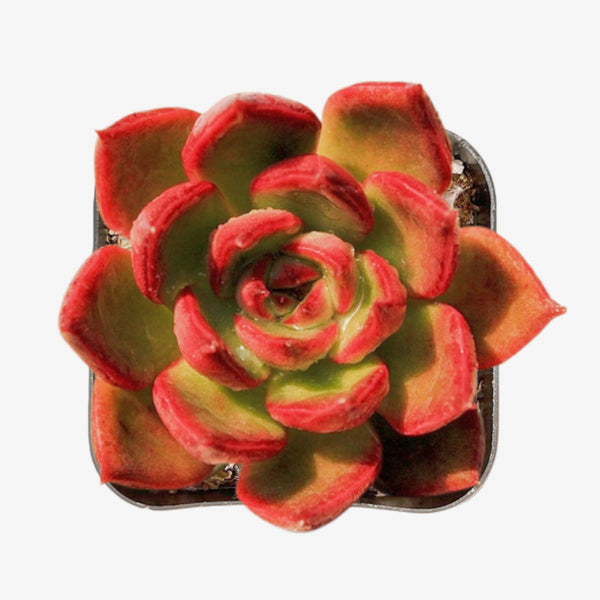
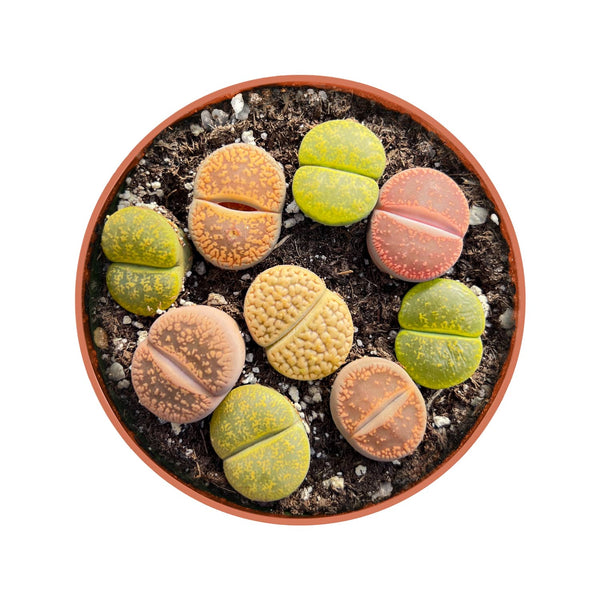
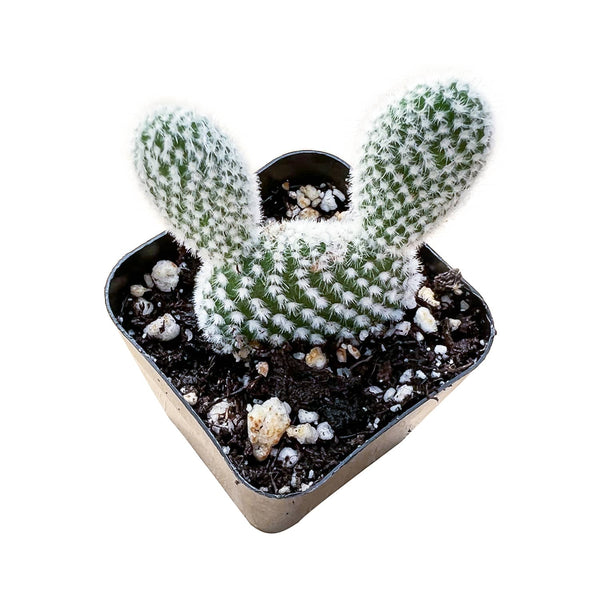
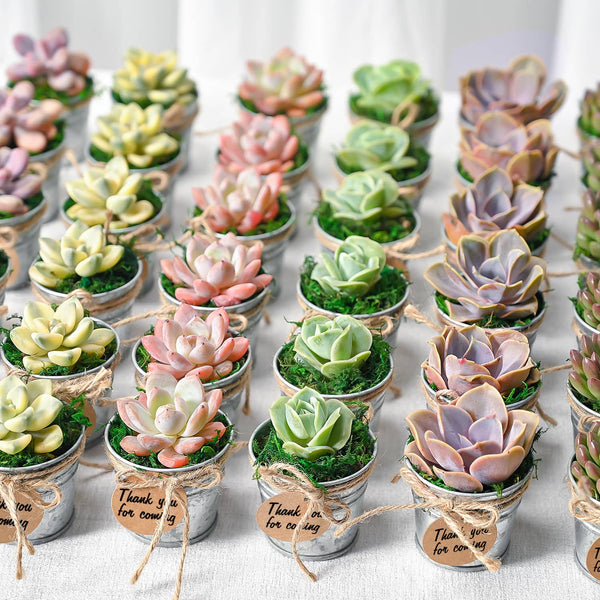
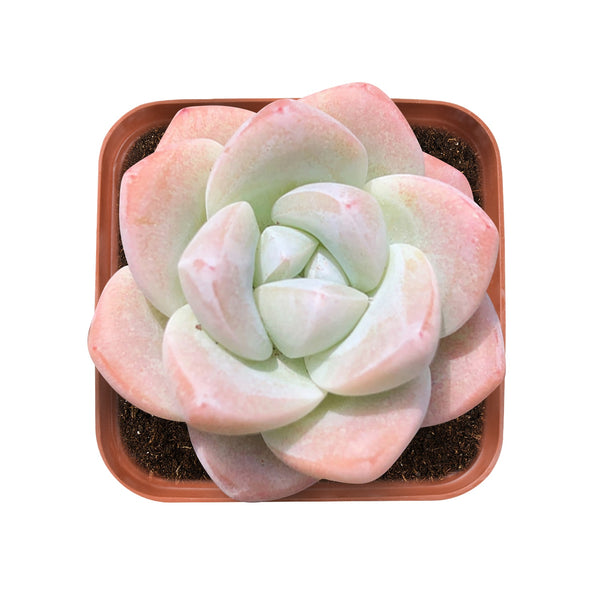
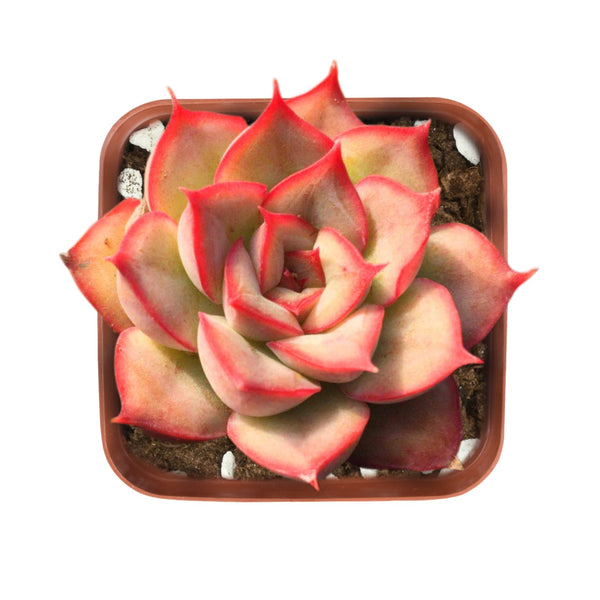
You finally find the absolute best spot in your house—right on a bright windowsill. You set down your favorite rosette succulent, excited to watch it stay compact, vibrant, and perfectly tight. But a few weeks later, something looks off. The lower leaves are spacing out, the stem is elongating, and the plant is beginning to lean awkwardly toward the glass.
Frustrating, right?
If you have ever asked yourself, "Why is my succulent stretching even when it is sitting right next to a window?" you are definitely not alone. To understand what is going wrong, we have to dive into the actual physics of light, glass, and what your succulent desperately needs to thrive. Let’s break down why this happens and, more importantly, how you can fix it for good.

1. How Much Light Do Succulents Actually Need? (Lux Requirements Breakdown)
Before diagnosing an indoor lighting failure, we need to look at the numbers. Light intensity for plants is measured in Lux (where 1 foot-candle equals roughly 10.76 Lux). Different succulent families have drastically different evolutionary backgrounds, meaning their daily light requirements vary. Different tiers of light yield vastly different results for your indoor arrangement:
● Below 2,000 lux: This is far too dim for most succulents; plants placed here will quickly stretch, lose their shape, and weaken.
● 2,000 to 10,000 lux: This serves as a bare minimum survival range, but growth is often loose, pale, and lackluster.
● 10,000 to 20,000 lux: A healthy, bright light zone that keeps most common indoor succulents compact and structurally sound.

● 20,000 to 40,000 lux: The optimal range for high-light lovers, unlocking vibrant stress colors and robust, tight growth.
● Above 80,000 lux: Intense full sun; while loved by outdoor desert specimens, sudden exposure here can cause severe sunburn unless the plant is gradually acclimated.
Because their natural habitats feature wide-open skies, sun-worshipping varieties like Echeveria cultivars, Korean hybrids, Graptosedum, and Aeonium 'Medusa' demand high lux tiers; meanwhile, lower-light-tolerant plants like Sansevieria or certain Haworthia can get by comfortably in the lower ranges. If your high-light varieties aren't getting enough photons, stretching is virtually guaranteed.

2. Why Window Light Falls Short: Uncovering the Hidden Barriers
Even if you have a large window, several hidden obstacles might be silently starving your plants of those crucial Lux levels.
The Glass Filter: Standard window glass blocks a significant portion of light rays, including UV wavelengths. Even perfectly clean, high-grade architectural glass can absorb or reflect 10% to 30% of incoming light.

Modern Energy-Efficient Low-E Coatings: If you live in a newer home, your windows likely feature microscopic metallic Low-E coatings designed to reflect infrared and ultraviolet light for climate control. Unfortunately, they also filter out the exact light wavelengths succulents need for photosynthesis, reducing effective plant light by up to 50%.
Window Screens and Frames: Mesh insect screens block roughly 30% to 40% of incoming light, scattering the rays before they hit the glass. Deep sills and thick frames also create a shadow box effect, drastically shortening your plant's daily exposure window.

Window Orientation: North-facing windows offer weak indirect light (rarely exceeding 2,000 Lux), making them a guaranteed recipe for etiolation for high-light varieties. East and west windows offer a few hours of direct rays, while unobstructed south-facing windows provide the longest, most intense daily duration.
3. Recognizing the Signs: What Etiolation Looks Like
When a succulent doesn't get enough Lux to fuel its energy needs, it activates an emergency survival mechanism called etiolation. In the wild, this helps a plant race upward to punch through a shaded canopy. Indoors, it results in distorted, weak growth.
Long, Leggy Stems (Increased Internodal Spacing): The space between leaves stretches out, leaving bare patches along the stem as the plant reaches for the glass.
Pale, Weak Growth: New leaves emerging from the center look lighter green, thinner, and softer than older, mature leaves.
Downward-Facing or Flat Leaves: Instead of pointing upward toward the light source, leaves flatten out or droop downward to maximize surface area, desperately trying to catch every stray photon.

Loss of Farina and Stress Colors: Powdery protective waxes (farina) and vibrant sun-stressed hues (deep reds, purples, or pastels) fade into a dull, plain green.
4. How to Fix and Prevent Succulent Stretching
Once a succulent etiolates, the stretched portion of the stem will never shrink back to normal. Plant tissues that have elongated cannot magically compact themselves. However, you can stop the stretching immediately and restore the plant to its former beauty over time.
Step 1: Upgrade the Light Source
If your windows cannot provide the necessary intensity, the most reliable solution is supplementing with a full-spectrum LED grow light.
- Look for full-spectrum white lights (often rated around 5000K to 6500K to mimic daylight).
- Position the grow light about 6 to 12 inches directly above the succulent.
- Run the lights on a timer for 12 to 14 hours a day to replicate a robust summer day.

Step 2: Clean Your Glass and Remove Screens
Sometimes, a simple layer of urban grime, dust, and pollen on the outside of your window cuts light transmission drastically. Give your windows a thorough wash. If local weather permits and pests aren't an issue, popping out the window screen during peak growing seasons can instantly boost light levels.
Step 3: Propagate and Reset (The Chop-and-Prop)
If your succulent has already become terribly leggy and looks top-heavy or unappealing, don't throw it away! You can easily reset the plant:
1. Behead the rosette: Using a clean, sharp blade, cut off the compact top rosette, leaving an inch or two of stem below the leaves.

2. Callus the cut: Let the cut end sit in a dry, shaded spot for a few days until a hard callus forms over the wound.
3. Re-root: Place the cutting onto a dry, high-inorganic succulent soil mix. Within a few weeks, it will push out brand-new, strong roots.
4. Save the stem: Do not toss the remaining bare stem! Leave it in its pot and keep watering it sparingly. The nodes along the bare stem will often activate and pop out multiple "offsets" or "pups," giving you even more plants.
Conclusion
Finding out that your prized succulent is stretching right next to a window can be disheartening, but it is ultimately a valuable learning experience. It teaches us to look past our own comfort zones and understand the raw, demanding power of nature. Succulents are sun worshippers by design, and no matter how clear our glass is, indoor environments require a bit of extra intention—whether that means relocating to a prime southern exposure or investing in a sleek modern grow light.
Give your plants the illumination they crave, keep your airflow steady, and watch them reward you with the compact, vibrant, and resilient growth they were meant to show off!