Summer can be one of the most challenging seasons for succulent growers. While succulents are famous for tolerating heat and dry conditions, heat tolerance does not mean they are immune to summer damage. Intense sunlight, prolonged heat, high humidity, poor airflow, dehydration, and watering mistakes can all take a toll.
By late summer, it is common to look at your succulents and wonder, “Is this plant still alive, or is it gone for good?”
The good news is that a succulent can look surprisingly unhealthy and still recover. Wrinkled leaves, faded colors, sunburn, leaf loss, and slowed growth do not automatically mean the plant has died. As an experienced grower, I recommend looking beyond the overall appearance and checking several specific signs.

Here is how to determine whether your succulents survived the summer—and what to do next.
Why Succulents Can Look Bad After Summer
Before deciding that a succulent is dead, remember that summer stress can dramatically change its appearance.
High temperatures can cause succulents to slow or temporarily stop growing. Some plants close their stomata and reduce water loss during periods of intense heat. Others may lose older leaves as they conserve resources for the growing point.
You may notice:
● Wrinkled or thinner leaves
● Brown or tan sunburn patches
● Faded green, purple, or pink colors
● Dropped lower leaves
● Dry leaf tips
● A less compact rosette
● Stretched growth from summer shading
● Temporary dormancy
● A generally tired or wilted appearance

These symptoms are not necessarily signs of death.
The most important question is not “Does my succulent look beautiful?” but rather “Is the plant tissue still alive and functioning?”
That is what we need to investigate.
1. Check the Stem: Firm or Mushy?
One of the first things I check when evaluating a stressed succulent is the stem. Gently touch the stem or the base of the plant.
A living, healthy stem should generally feel firm and solid. A succulent that has lost some leaves but still has a firm stem may have a good chance of recovery.

On the other hand, be concerned if the stem is:
● Soft
● Mushy
● Collapsing
● Dark brown or black
● Hollow or severely weakened
● Giving off an unpleasant smell
These symptoms can indicate rot.

Root or stem rot is especially important to distinguish from dehydration. A severely dehydrated succulent may look thin and wrinkled, but its remaining tissue can still be firm. A rotting succulent, in contrast, often becomes soft because the plant tissue is breaking down.
Firm and wrinkled is very different from soft and mushy. That simple distinction can prevent you from throwing away a plant that is still alive.
2. Look Closely at the Growing Point
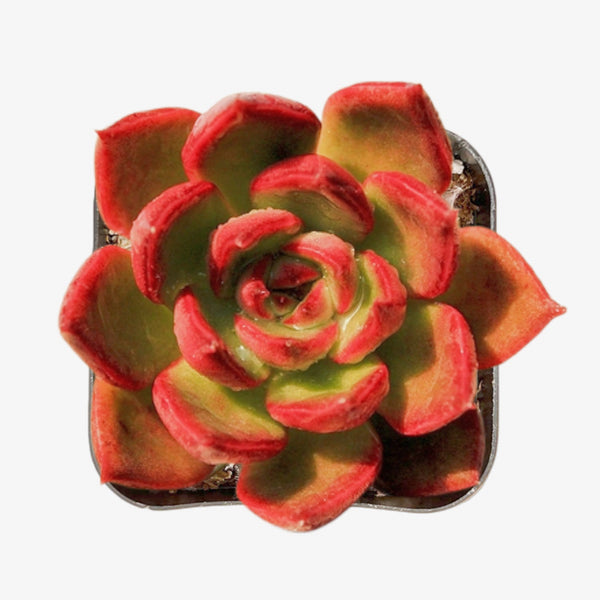
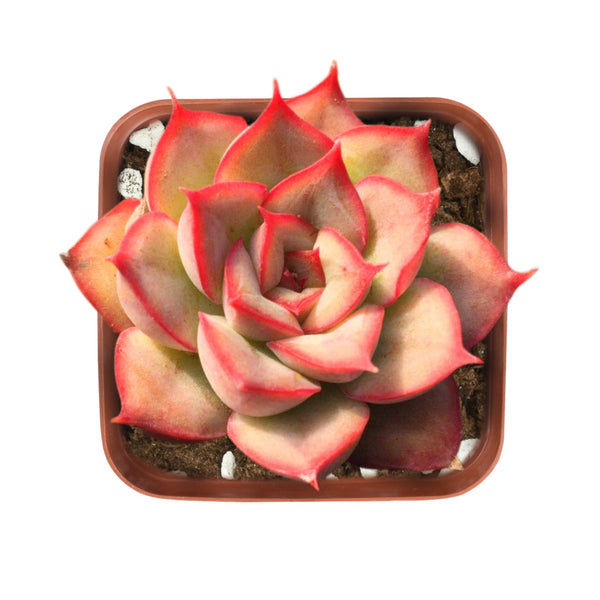
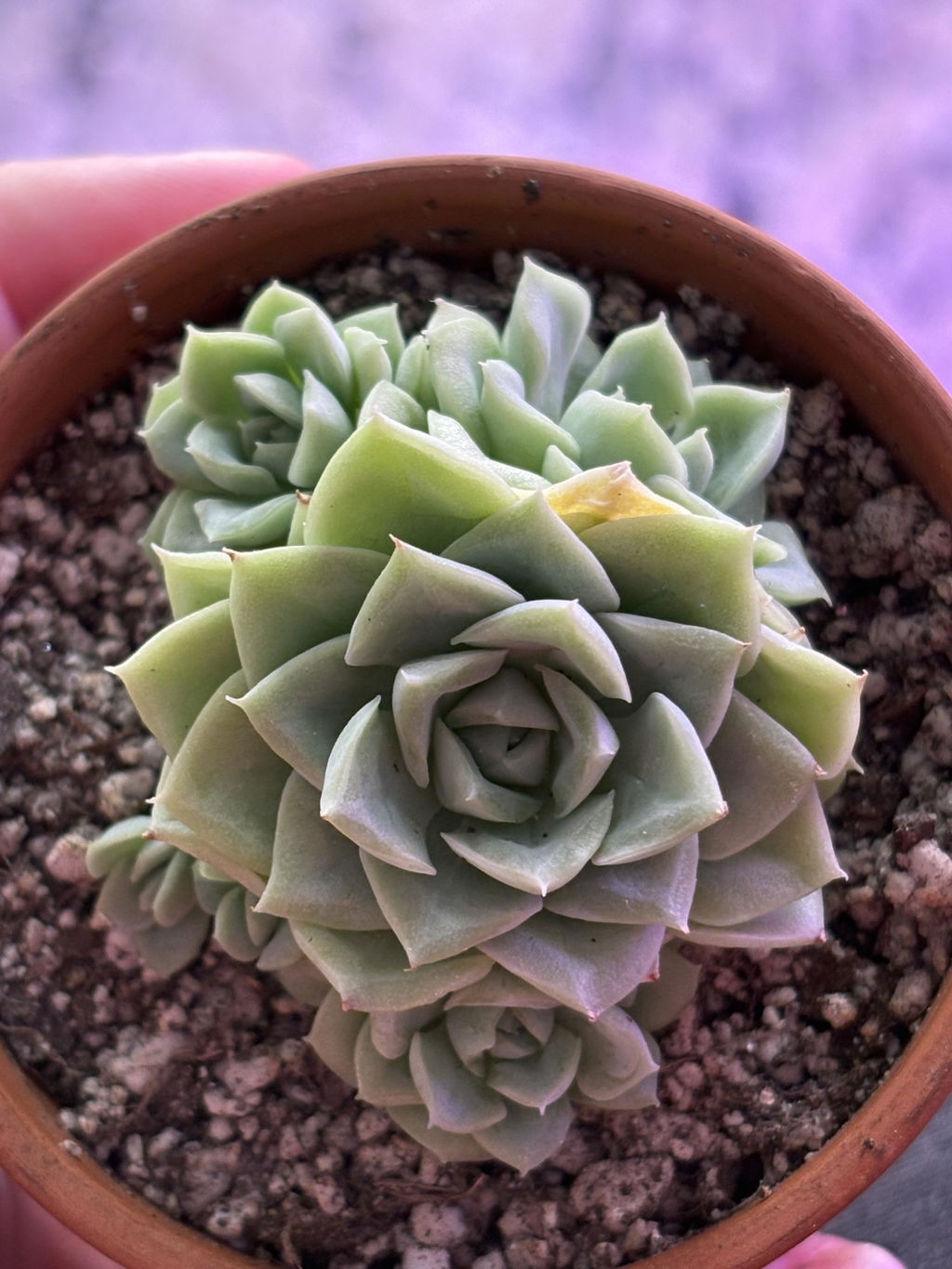
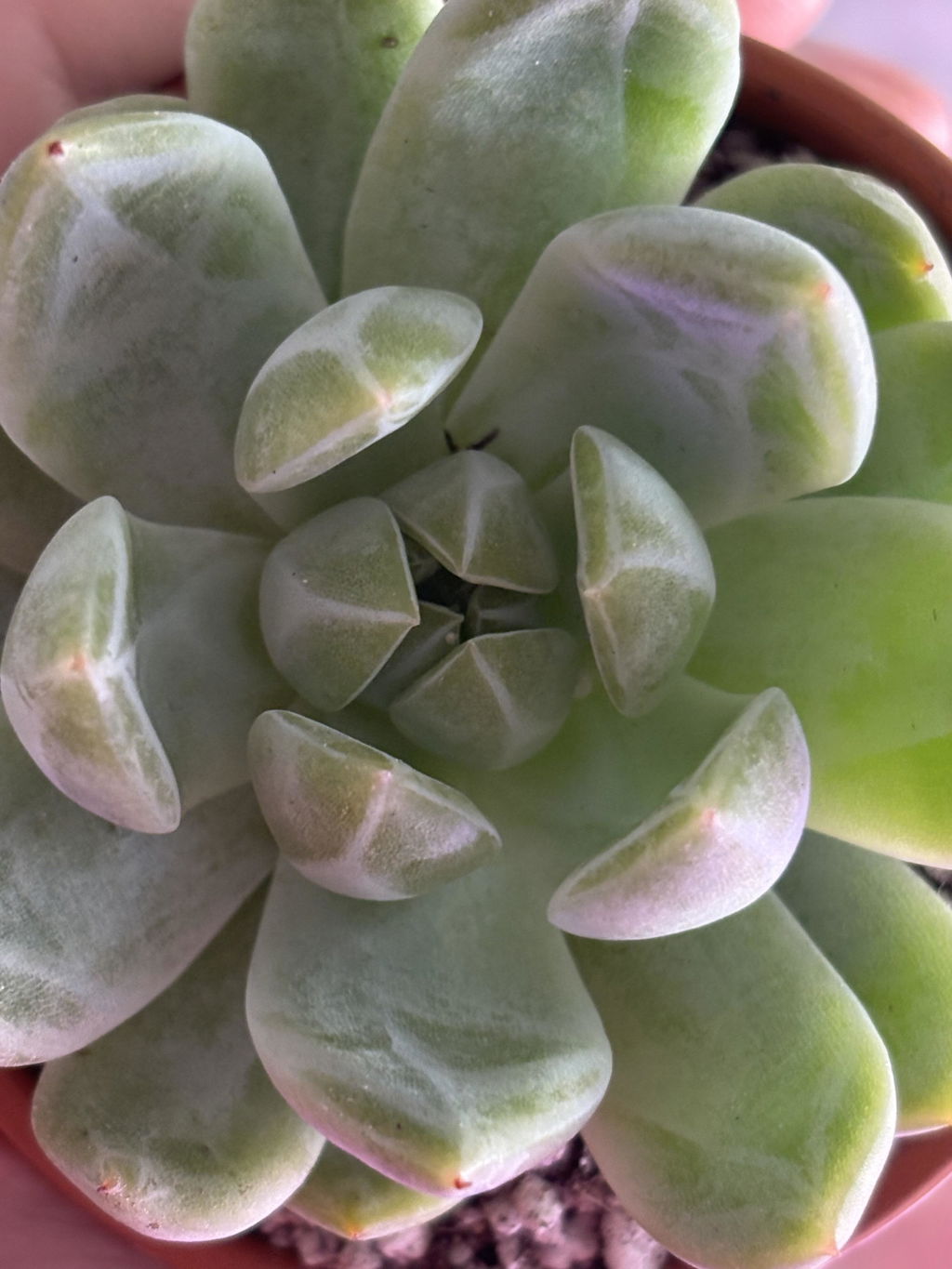
For rosette-forming succulents such as Echeveria, Graptoveria, and many other rosette types, the center of the plant provides valuable information.
Look directly into the middle of the rosette. If you see:
● Firm young leaves
● New leaves emerging
● A solid center
● Healthy-looking tissue

That means your plant is likely still alive.
In fact, new growth is one of the best signs of recovery.
You may not see dramatic growth immediately after summer. When temperatures are extremely high, many succulents naturally slow down. But as conditions become more favorable, a surviving plant may begin producing tiny new leaves from the center.
The situation is much more concerning if the center has become:
● Brown
● Black
● Wet-looking
● Mushy
● Loose
● Easily pulled apart
A rosette with a severely rotten crown is much more difficult to save.
So don't judge an Echeveria by its outer leaves alone. The center is often where the answer is hiding.
3. Try the Watering Test
Here is another simple observation I find useful when a succulent looks extremely shriveled after a hot summer.
If the soil is completely dry and the plant is otherwise free of obvious rot, give it a thorough watering and observe what happens afterward.
A dehydrated succulent may have leaves that are:
● Wrinkled
● Thin
● Soft but not mushy
● Slightly curled
● Less upright than normal

After receiving water, a living, functioning plant may gradually begin to rehydrate. Its leaves can become plumper and firmer, and some of the wrinkles may become less noticeable.
This can be a helpful indication that the roots are still taking up water.
However, this is not a perfect "life or death" test.
Don't expect dramatic results within minutes. Depending on the species, degree of dehydration, temperature, and root condition, it may take hours or even several days to see a noticeable change.
And there is an important rule:
Don't water a succulent simply to test it if the soil is still wet.
Adding more water to already-moist soil can increase the risk of root problems. First, check the soil. If it is still moist, allow it to dry appropriately before watering.

Also remember that old, damaged leaves may never return to their original appearance. A leaf that has been severely dehydrated or sun-damaged may remain wrinkled or scarred even after the plant has recovered.
In other words, look at the overall plant response, not one imperfect leaf.
4. Check the Roots if You're Still Unsure
Sometimes the above-ground parts don't tell the whole story.
If a succulent looks severely damaged, repeatedly collapses after watering, or has been sitting in wet soil during summer, it may be worth checking the roots.
Gently remove the plant from its container and examine the root system.

Healthy roots are generally:
● Firm
● Intact
● Light-colored to tan, depending on species and age
● Not slimy or mushy
Damaged or rotting roots may be:
● Brown or black
● Soft
● Mushy
● Slimy
● Easily detached
● Associated with an unpleasant odor
Don't panic if you see some dried or dead roots. A plant can survive the loss of part of its root system and produce new roots under favorable conditions.
The key question is whether there is still healthy plant tissue capable of producing new roots and growth. If rot has affected the roots but the stem and growing point remain healthy, removing the damaged roots and moving the plant into fresh, well-draining soil may give it a chance to recover.
5. Don't Confuse Sunburn With Death
One of the most common summer mistakes is assuming that sunburn means a succulent is dead.
It doesn't.
Sunburn can leave permanent brown, tan, beige, or bleached patches on leaves. These damaged areas will not necessarily turn green again.

But the plant itself can continue growing.
Think of sunburn on a succulent the same way you might think of a scar: the damaged tissue may remain, while the living plant continues forward.
If the growing point is healthy and new leaves are developing, don't remove the entire plant simply because older leaves are unattractive.
The new growth is what matters.
6. Some Leaf Loss Is Normal
After a difficult summer, you may find a pile of dried leaves around the base of your succulent.

This can look alarming, but some leaf loss is completely normal.
Succulents naturally recycle older leaves. During stressful conditions, they may also sacrifice older leaves to conserve water and energy.
A few dry lower leaves are usually not a reason for concern if:
● The stem remains firm
● The center is healthy
● The remaining leaves are intact
● There are no signs of spreading rot
● The plant eventually resumes growth
However, rapid leaf loss combined with soft tissue, foul odors, or a collapsing stem deserves closer inspection.
7. Check for New Growth as Summer Ends
One of the most encouraging signs is new growth.
As extreme summer temperatures begin to moderate, some succulents may transition back into more active growth.

Look for:
● Tiny new leaves
● A tighter growing center
● New offsets
● Fresh roots
● New shoots
● Gradually increasing leaf size
Don't expect every succulent to respond at the same speed.
Different species have different growth cycles, and environmental conditions matter enormously. Some succulents may remain relatively quiet for a while, especially if temperatures are still high.
Give the plant time. A succulent doesn't need to look perfect immediately after summer to be considered successful.
What If the Succulent Looks Terrible but Is Still Alive?
This is perhaps the most important lesson for new succulent growers:
Survival and beauty are not the same thing.
A succulent can survive summer with burned leaves, lost foliage, scars, and an awkward shape. It may take weeks or months to regain an attractive appearance.
Don't expect damaged leaves to become perfect again magically. Instead, watch for healthy new growth.
For example, an Echeveria may lose several outer leaves during summer but produce a fresh, compact center once temperatures improve. Eventually, those new leaves can replace the damaged appearance.

That is why I always tell growers: judge the future of the plant by its living growing points, not just by its summer scars.
Your Post-Summer Recovery Action Plan
Once you've diagnosed your collection, it’s time to roll up your sleeves and transition your plants into their autumn recovery phase. Fall is the second major growing season for many succulents (spring being the first), making it the ideal time to help them bounce back.
Step 1: Clean House
Snip away completely dried, dead lower leaves. Not only does this instantly improve the aesthetic of your plants, but it also removes hiding spots for pests like mealybugs, which love to camp out in dead organic debris as the weather cools down.

Step 2: Resume Watering Gradually
If you kept your plants on an ultra-strict drought regime during the peak of summer (a smart move to prevent rot), don't flood them all at once. Ease them back into a regular watering schedule. Give them a light drink first, wait a few days to make sure they respond well, then give them a thorough, deep soak.
Step 3: Adjust Their Lighting
If you moved your succulents into deep shade or brought them under covered porches to protect them from July’s scorching afternoon rays, it’s time to shift them back. As the sun sits lower in the sky and loses some of its brutal intensity, gradually reintroduce them to brighter morning sun so they can regain their compact, tight form.

Step 4: Hold Off on Heavy Fertilizing
It’s tempting to want to feed your tired plants to "perk them up," but resist the urge. Exhausted root systems can easily get burned by chemical fertilizers. Wait until you see clear signs of active new growth (fresh root tips or center leaves) before offering a very diluted, balanced fertilizer.
Final Thoughts
Summer can be tough on succulents, but an ugly succulent isn't necessarily a dead succulent.
If the stem is firm, the growing point is healthy, the roots are viable, and the plant responds to appropriate watering, there is a good chance it still has life left.
The watering response can be particularly useful when you're trying to distinguish dehydration from a more serious problem. Just remember that it should be performed only when the potting soil is appropriately dry, and a lack of immediate plumping doesn't automatically mean the plant has died.

As fall approaches, give surviving succulents time to recover. Remove what is truly dead, protect healthy tissue, adjust care as temperatures change, and watch carefully for new growth.
Sometimes the succulent that looks the worst at the end of summer is the one that surprises you most a few weeks later.