

Native to the semi-desert regions of Mexico and Central America, Echeverias are among the most beloved rosette-forming succulents in the world. Thanks to their perfectly symmetrical leaves and incredible spectrum of colors, they are the stars of succulent centerpieces, fairy gardens, party favors, and open dish arrangements.
While Echeverias are generally low-maintenance, beginners often struggle to keep them from losing their vibrant colors or stretching out. If you want to maintain that tight, beautiful compact shape, this guide will walk you through everything you need to know.

Lighting: Indoor vs. Outdoor Care
Echeverias can thrive both indoors and outdoors, but because they are incredibly light-hungry, you must be strategic about their placement.
Indoor Care: To prevent your Echeveria from stretching out and becoming leggy (a process called etiolation), place it in your sunniest spot—ideally a south- or west-facing window. If your indoor light is limited, utilizing a quality LED grow light for 12 to 14 hours a day is highly recommended.
Outdoor Care: Outdoor plants love full to partial sun. However, during intense summer heatwaves, a 30% to 50% shade cloth is essential to protect the leaves from permanent sunburn on scorching afternoons.
Wondering which varieties stay compact more easily? Check out our guide: 15 Succulents That Are Unlikely to Go Leggy.

Temperature and "Stress" Colors
Echeverias thrive best in temperatures between 40°F and 90°F (5°C – 32°C). Understanding how they react to the extremes will keep them alive year-round:
The Sweet Spot for Color (40°F – 60°F / 5°C – 15°C): Cool autumn and winter temperatures, combined with bright sunlight, trigger a harmless "stress response" that coaxes out stunning pink, deep red, and purple hues.
Winter Protection: As "soft" succulents, Echeverias cannot survive a freezing frost. If temperatures drop near 32°F (0°C), bring your outdoor potted plants indoors immediately. (Did winter catch you off guard? Read our emergency guide on How to Salvage Frost-Damaged Succulents).
Summer Heat (Above 95°F / 35°C): Extreme heat can force Echeverias into a defensive semi-dormancy. When the mercury rises, provide extra shade and excellent ventilation. Never overwater a heat-stressed succulent, as hot, soggy soil triggers instant root rot.
Watering Requirements: The "Soak and Dry" Method
Watering is the most critical aspect of Echeveria care. Some varieties, like Echeveria 'Ice Green', are incredibly sensitive to overwatering and will drop leaves at the first sign of excess moisture.
How to Water Correctly:
Check the Soil: Only water when the potting mix is completely dry from top to bottom.
Water the soil: Use a squeeze bottle or a long-neck watering can to apply water directly to the soil. Avoid getting water trapped in the center of the rosette, which can cause crown rot. Water thoroughly until it streams out of the drainage holes.

The Bottom Watering Method: For varieties with a thick layer of powdery farina (like Echeveria laui, Echeveria Cubic Frost, or Echeveria Afterglow), bottom watering is an excellent alternative to keep the leaves pristine. Place the pot in a shallow tray of water for 15 to 20 minutes until the topsoil feels damp, then let the excess water drain completely.

Soil, Drainage, and Pots
Echeverias need a lightweight, highly porous substrate. Standard potting soil holds onto water for too long, suffocating the roots.
The Mix: Create an ideal substrate by mixing standard soil with plenty of gritty materials like pumice, perlite, or volcanic rock (aiming for a 50% to 70% grit ratio depending on your climate). If you prefer a ready-to-use option, we offer a professional, organic cactus and succulent soil mix tailored exactly for these plants.
The Pot: Always use a container with an open drainage hole at the bottom. Without it, stagnant moisture accumulates, making root rot almost inevitable.

Propagation and Blooming
What to Do When Your Echeveria Blooms
From spring to summer, healthy Echeverias send up beautiful, bell-shaped flowers on tall stalks. While gorgeous, blooming takes an enormous amount of energy from the plant. Furthermore, the sweet nectar of the blossoms frequently attracts pests like aphids and mealybugs.
If you notice pests, or if your rosette is starting to look exhausted, simply use sharp, sterilized shears to cut the flower stalk off near the base of the plant.

Propagation
Echeverias are incredibly easy to multiply! You can grow brand new plants using:
Offsets (Pups): Snip away the small babies growing around the base of the mother plant.

Leaf Cuttings: Gently twist off a healthy leaf and lay it on dry soil until it grows roots.

Beheading: Cut the head off a leggy succulent to restart a compact rosette while the remaining stem produces new pups.
Common Leaf Propagation Mistakes to Avoid:
A Clean Break is Crucial: When taking leaf cuttings, you must twist the leaf gently until it snaps off cleanly at the stem. If the leaf tears or the base is left behind, it cannot grow roots or pups.

Don't Rush into Soil: Never place a fresh cutting directly onto damp soil immediately. Let the leaf sit in a cool, dry place for 2 to 3 days until the wound calluses over; otherwise, the open wound will absorb moisture and rot.
Stop Mist-Watering Fresh Leaves: Leaf cuttings do not have roots yet, so they cannot absorb water from the soil. Keeping the soil wet before roots appear will only trigger mold or rot. Wait until you see tiny pink roots emerging before you start lightly misting or watering the soil.
Avoid Direct Sunlight: While mature Echeverias love the sun, fragile leaves and new baby pups will scorch and dehydrate rapidly under direct sunlight. Keep your propagation trays in a spot with bright, indirect light until the new plants are established.
Common Pests and Diseases
Leaf Melting: If leaves turn yellow, translucent, and mushy, the plant is waterlogged. Immediately stop watering and remove the affected leaves.
Root Rot: If the stem or base turns black and leaves drop rapidly at a light touch, root rot has set in. Cut away the healthy top portion of the rosette with a clean knife, let it callus for a few days, and replant it in fresh, dry soil.
Scale and Mealybugs: These pests love to hide in the tight crevices of the rosette or around flower stalks. Treat them immediately by dabbing them with a cotton swab dipped in 75% rubbing alcohol, or apply a systemic insecticide for larger collections.
10 Stunning Echeverias to Add to Your Collection
Whether you love classic hardy growers or rare, powdery collector varieties, these 10 Echeverias are absolute showstoppers:
1. Echeveria 'Rainbow' (A spectacular, highly sought-after variegated rosette)
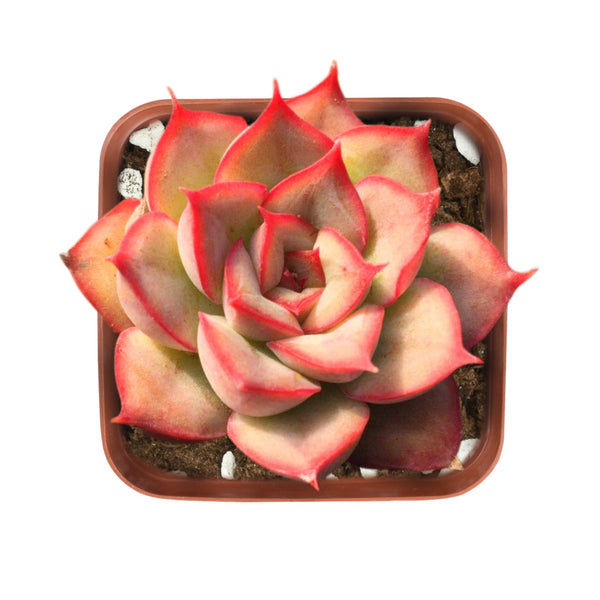
2. Echeveria 'Chihuahuaensis' (Famous for its blue-green leaves and bright pink tips)
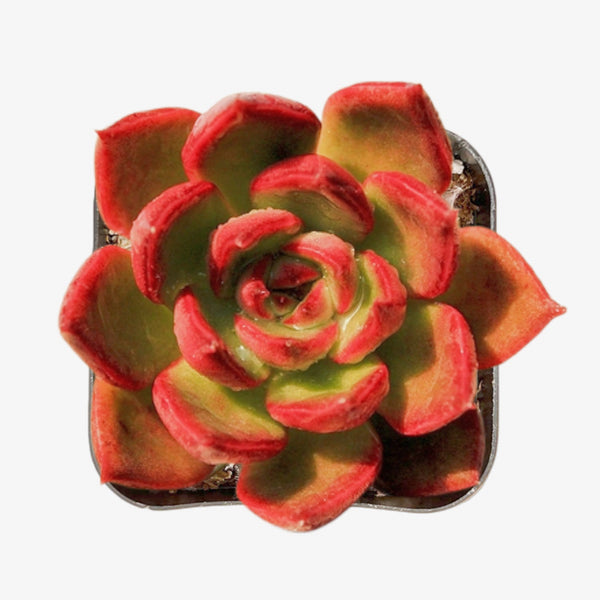
3. Echeveria 'Mebina' (An easy-clustering variety that blushes bright red on the edges)
4. Echeveria 'Suyon' (Features unique, wavy, dark pink to reddish rosettes)
5. Echeveria 'Melaco' (Stuns with its glossy, copper-chocolate and purple tones)

6. Echeveria purpusorum (A slow-growing gem with thick, dark green, mottled leaves)
7. Echeveria 'Crispate Beauty' (A premium collector variety with heavily ruffled, powdery blue leaves)
8. Echeveria 'Cubic Frost' (Features geometric, upturned leaves with a thick coat of farina)
9. Echeveria laui (The holy grail of powdery succulents, featuring plump, near-white leaves)
10. Echeveria subcorymbosa Lau 026 (A miniature clumper perfect for small pots and arrangements)
Conclusion
Echeverias are a spectacular choice for any plant lover. By providing them with plenty of sunlight, porous soil, and a proper "soak and dry" watering routine, you can enjoy their breathtaking geometry and vivid colors for years to come.













1 thought on “Care Instructions For Echeveria Succulent Plant”
Saowanee Jarajitkul
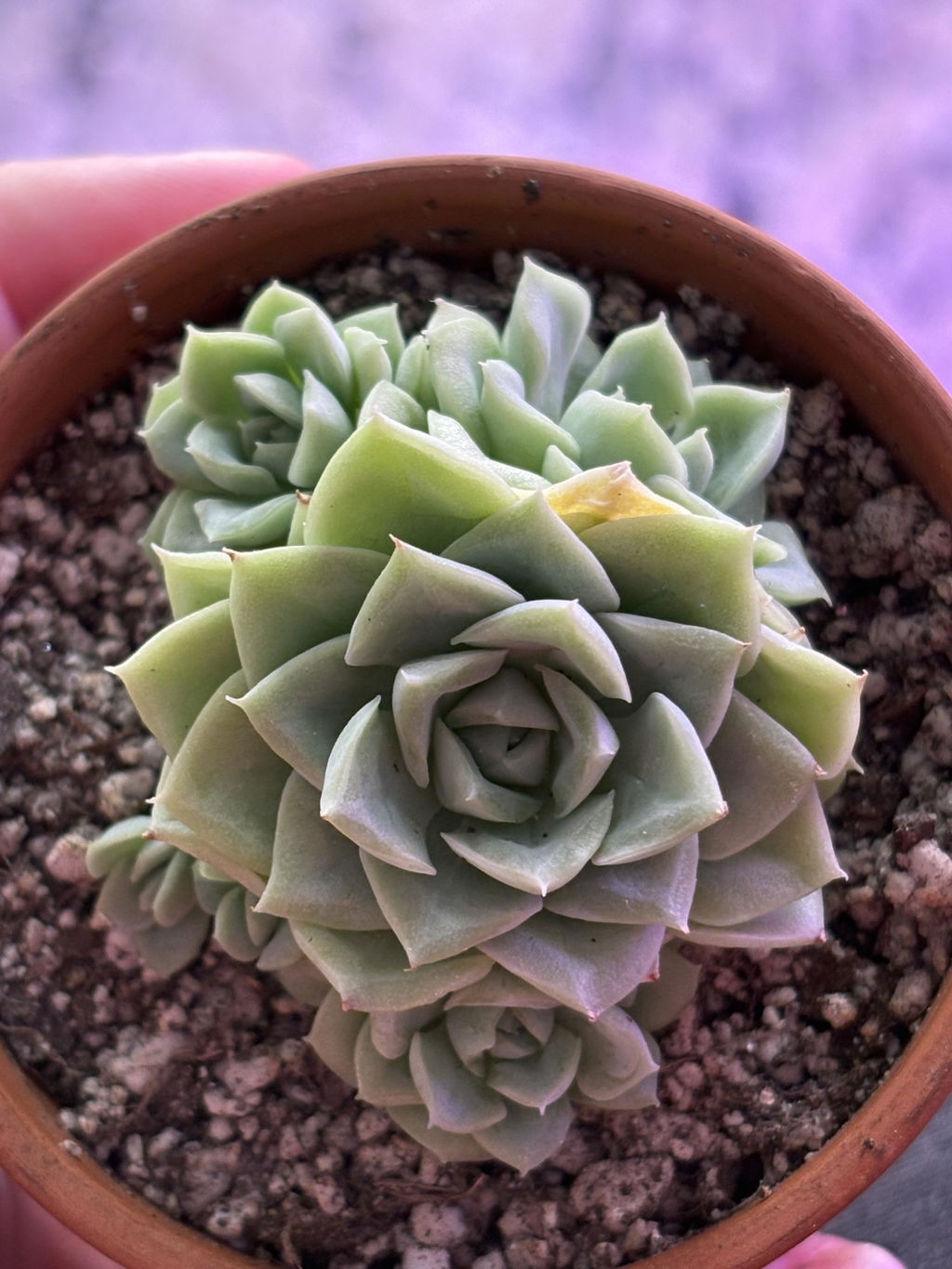
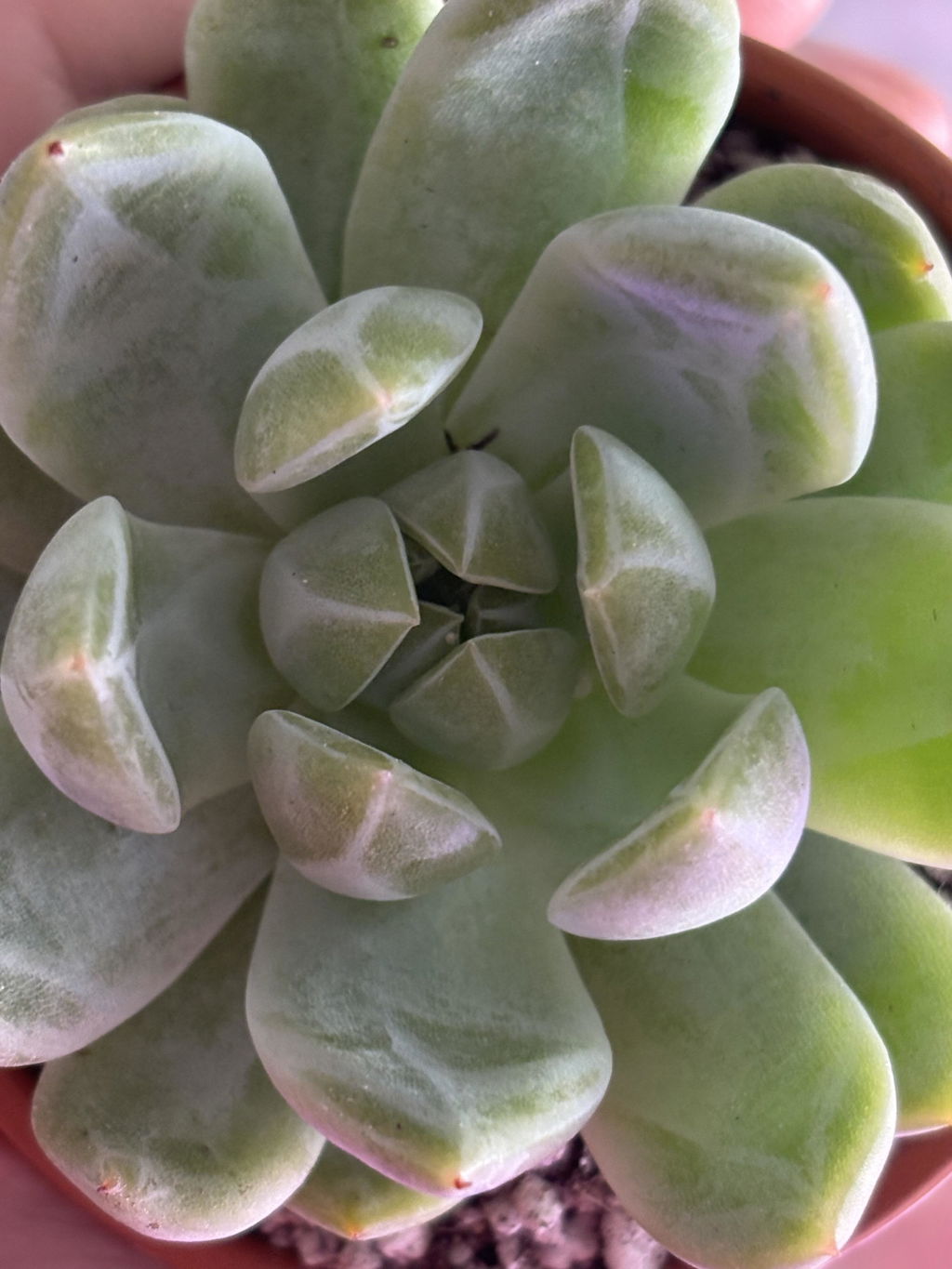
I ordered this set but one of them died. The name is Echeveria Sbucorymbosa Lau 026, I used cactus mix and water it after that I didn’t water it. Until days ago, I just noticed it’s leaves falling.
Can you please check for me what’s happened? The day I received this Echeveria, it was not look good already. I thought if I plant it, it will look better but turned out it died. So is it possible for you to send me replacement?
I hope to hear from you soon.
Thank you,
Saowanee Jarajitkul