For succulent enthusiasts, few genera offer the same blend of quirky charm, low-maintenance care, and visual diversity as Adromischus. Native primarily to southern Africa—where they thrive in rocky, arid landscapes—these fleshy-leaved plants have captured the hearts of collectors worldwide. What sets Adromischus apart? Their leaves come in an array of shapes, textures, and colors, from plump ovals dotted with spots to ruffled edges that mimic tiny waves. Many are compact, making them perfect for windowsills, small planters, or succulent arrangements. Best of all, they’re forgiving of occasional neglect, making them ideal for both beginners and seasoned growers.
In this blog, we’ll explore 15 of the most popular Adromischus varieties, breaking down their unique traits, growth habits, and exactly why they’ve become staples in succulent collections. Whether you’re looking to expand your garden or simply learn more about these fascinating plants, read on to discover the magic of Adromischus.
1. Adromischus cristatus (Crinkle-Leaf Adromischus)

Appearance: The Crinkle-Leaf Adromischus is instantly recognizable by its leaves—thick, oval-shaped, and edged with delicate, ruffled “waves” that give it a crinkled appearance. Foliage ranges from soft green to silvery-gray, often blushing pink or red along the ruffled margins when exposed to bright light. Mature plants grow in small, clumping rosettes, reaching 4–6 inches tall.
Growth Habits: Thrives in bright, indirect light (though it can tolerate a few hours of morning sun) and well-drained soil (a mix of cactus soil and perlite works best). Water sparingly—allow the soil to dry out completely between waterings—and protect from frost (temperatures below 5°C/41°F can damage leaves).

Why It’s Popular: Its unique crinkled edges make it a standout in any arrangement. It’s also incredibly easy to care for, making it a top pick for beginners. Plus, it propagates easily from leaf cuttings, so growers can share it with friends or expand their collection effortlessly.
2. Adromischus Cooperi v. Festivus (Seal Adromischus)

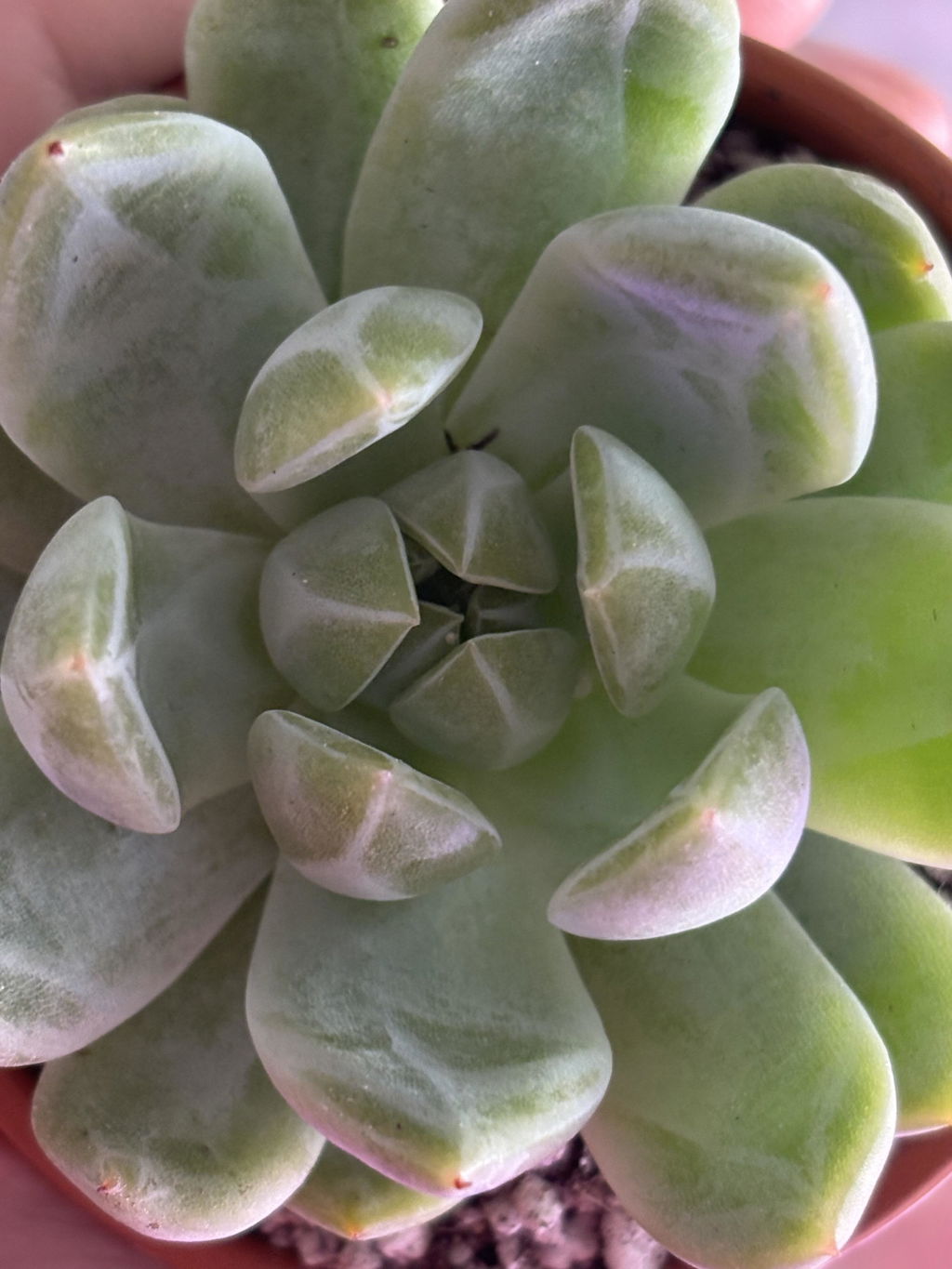
Appearance: Known affectionately as “Seal Adromischus” for its uncanny resemblance to a seal’s rounded body, this variety is a fan favorite for its whimsical foliage. Its leaves are plump, oval-shaped, and slightly flattened on the top, with a smooth, glossy texture that feels like a soft water balloon to the touch. The base color ranges from pale sage green to silvery-gray, while the upper half of each leaf is marked with irregular, dark brown or purplish-brown blotches—these markings (stripes/spots) mimic the dorsal coloring of a seal, making each leaf look like a tiny, adorable marine mammal. Mature plants form dense, low-growing clumps, reaching just 2–3 inches tall but spreading 6–8 inches wide, with short, sturdy stems that keep the leaves close to the soil.
Growth Habits: This variety thrives in bright, indirect light—too much direct afternoon sun can scorch its tender leaves, fading the distinct seal-like markings, while too little light causes leggy growth and dull foliage. It requires well-drained soil (a blend of 70% cactus soil and 30% perlite or pumice is ideal) to prevent root rot, as its fleshy leaves store plenty of water. Water only when the soil is completely dry (check by inserting a finger 1–2 inches deep); reduce watering to once every 3–4 weeks in winter, when growth slows. It’s not frost-hardy—keep temperatures above 7°C/45°F to avoid leaf damage.
Why It’s Popular: Its “seal-like” appearance is the ultimate draw—succulent collectors love its playful, whimsical look, which adds a fun, conversational element to any arrangement. Unlike more plain varieties, its unique markings ensure no two plants are identical, making each specimen a small “collector’s piece.” It’s also beginner-friendly: its forgiving nature (it tolerates occasional overwatering better than many Adromischus) and slow growth mean it stays compact and low-maintenance for years. Plus, it’s perfect for mini succulent gardens or desk planters, where its cute, compact shape shines.
3. Adromischus maculatus (Spotted Adromischus)

Appearance: True to its name, the Spotted Adromischus features oval, light green leaves dotted with deep purple or brown spots—like tiny freckles. The leaves are slightly curved, with a smooth texture and a red or purple tinge at the tips when stressed (e.g., from bright light or slight drought). Mature plants grow 3–5 inches tall, with stems that branch gently.
Growth Habits: Needs bright, indirect light to maintain its spots (too little light fades the markings). It prefers well-drained soil and infrequent watering—water only when the soil is completely dry, and reduce water in winter. It’s sensitive to frost, so keep it above 10°C/50°F in cold months.

Why It’s Popular: The spotted foliage is its biggest draw—no two plants have identical spot patterns, making each one unique. It’s also easy to care for and propagates well from leaves, making it a favorite for beginners and collectors alike. Its compact size fits perfectly on windowsills or desk planters.
4. Adromischus zeyheri

Appearance: Adromischus zeyheri is a striking variety with long, narrow leaves that taper to a point. The leaves are thick and fleshy, with a blue-green hue and a waxy coating that gives them a matte finish. When exposed to bright light, the leaf tips and edges turn a deep red, creating a beautiful contrast. Plants grow 5–7 inches tall, with upright stems that hold the leaves in a loose rosette.
Growth Habits: Thrives in full sun (morning sun is best; afternoon sun may require acclimation) and well-drained soil. It’s highly drought-tolerant—water only when the soil is bone dry, and avoid overwatering (root rot is a common issue). It’s hardy to 6°C/43°F but should be protected from prolonged cold.

Why It’s Popular: Its sleek, pointed leaves and color contrast make it a modern-looking addition to any succulent garden. It’s also a fast grower compared to other Adromischus varieties, so collectors can see results quickly. Plus, its tolerance for full sun makes it versatile for outdoor gardens (in warm climates) or sunny windowsills.
5. Adromischus hemisphaericus (Round-Leaf Adromischus)

Appearance: As its common name suggests, the Round-Leaf Adromischus has perfectly spherical leaves—small, plump, and bright green, with a slightly glossy surface. The leaves grow in clusters along thin, trailing stems, giving the plant a cascading appearance. When stressed, the leaves may develop a faint pink blush. Mature plants trail 8–10 inches long, making them ideal for hanging pots.
Growth Habits: Prefers bright, indirect light (direct sun can cause leaf burn) and well-drained soil. Water moderately during the growing season—allow the top inch of soil to dry out between waterings—and reduce water in winter. It’s not frost-hardy, so keep it above 10°C/50°F.

Why It’s Popular: Its tiny, round leaves are irresistibly cute—many growers describe them as “little green marbles.” The trailing habit makes it a great choice for hanging baskets or as a groundcover in succulent arrangements. It’s also very easy to propagate from stem cuttings, so it’s a favorite for sharing with fellow succulent lovers.
6. Adromischus alstonii

Appearance: Adromischus alstonii is a rare but beloved variety with thick, triangular leaves that grow in a rosette shape. The leaves are gray-green with a rough, textured surface (like fine sandpaper) and red or purple edges. Mature plants reach 4–6 inches tall, with leaves that can grow up to 2 inches long. When in bloom (rare indoors), it produces small, white, bell-shaped flowers.
Growth Habits: Needs bright, indirect light (too much sun can fade its color) and well-drained soil (add extra perlite for drainage). Water sparingly—only when the soil is completely dry—and avoid getting water on the leaves (the textured surface can trap moisture and cause rot). It’s hardy to 8°C/46°F.

Why It’s Popular: Its rare status and unique triangular leaves make it a prized addition for serious collectors. The rough texture adds tactile interest, and the red edges provide a pop of color. While it’s a bit more finicky than other Adromischus, its beauty makes it worth the extra care.
7. Adromischus Antidorcatum (Cat’s Tail Adromischus)

Appearance: Affectionately nicknamed “Cat’s Tail Adromischus” for its distinctive foliage, this variety stands out for its slender, elongated leaves that curve gently like a cat’s tail. The leaves are cylindrical to slightly flattened, fleshy, and coated in a thin, powdery waxy layer (farina) that gives them a soft glaucous blue-green or silvery-gray hue—this coating helps the plant retain moisture in its native arid habitats. When exposed to bright light or mild stress (e.g., slight drought), the leaf tips and upper edges develop a subtle soft red or pink blush, adding a delicate pop of color. Leaves grow alternately along thin, semi-woody stems that trail slightly as the plant matures. Mature specimens reach 4–6 inches in height and spread 6–8 inches wide, with stems that may cascade over the edges of pots, creating a compact, cascading habit.
Growth Habits: Adromischus Antidorcatum thrives in bright, indirect sunlight—while it can tolerate 1–2 hours of morning sun (which enhances its red leaf tips), intense afternoon sun will scorch its waxy foliage, causing the farina to wear off and leaves to yellow. It requires well-drained soil to prevent root rot; a blend of 70% cactus/succulent potting mix and 30% perlite or pumice is ideal, as it mimics the rocky, fast-draining soil of its native South African range. Water sparingly: allow the soil to dry out completely (check by inserting a finger 2 inches deep) between waterings, and reduce frequency to once every 3–4 weeks in winter, when growth slows significantly. This variety is not frost-hardy; protect it from temperatures below 5°C/41°F, as cold exposure can cause leaf damage or rot.
Why It’s Popular: Its unique “cat’s tail” foliage is its biggest appeal—this slender, curved leaf shape sets it apart from the rounder or broader leaves of other Adromischus varieties, adding a playful, whimsical texture to succulent arrangements. The silvery-blue foliage with red tips also creates beautiful contrast in mixed planters, pairing well with darker green or variegated succulents. It’s highly beginner-friendly: its forgiving nature (it tolerates occasional underwatering or slight light fluctuations) and slow growth mean it stays compact and low-maintenance for years, making it perfect for small desks, windowsills, or mini succulent terrariums. Additionally, its trailing stems make it a charming choice for shallow pots or hanging planters, where its cascading growth can be fully appreciated. Collectors also value it for its subtle color shifts, as the red tips respond to light changes, keeping the plant visually dynamic year-round.
8. Adromischus marianae

Appearance: Adromischus marianae is a variable variety, but most forms have thick, oval leaves with a bumpy, textured surface (often called “warty” leaves). Foliage ranges from light green to gray-green, with purple or brown spots on the upper surface. The leaves grow in a loose rosette, and mature plants reach 5–6 inches tall. Some cultivars, like ‘Albovariegata’, have variegated white and green leaves.
Growth Habits: Prefers bright, indirect light (variegated forms need more light to maintain their color). It needs well-drained soil and infrequent watering—allow the soil to dry out completely between waterings. It’s sensitive to frost, so keep it above 10°C/50°F.

Why It’s Popular: Its textured leaves and variable appearance make it a versatile choice. Variegated cultivars are especially sought after for their unique color patterns. It’s also easy to care for, making it suitable for beginners, while its interesting texture appeals to more experienced collectors.
9. Adromischus marianiae cv. "Bryan Makin" (Warty Leaf Adromischus 'Bryan Makin')

Appearance: This cultivated variety of Adromischus marianiae is best known for its distinctive textured foliage, earning it the informal nickname “Warty Leaf Adromischus.” Its leaves are thick, fleshy, and oval to oblong in shape, with a slightly flattened top and rounded bottom—resembling tiny, plump paddles. The most striking feature is the dense covering of small, raised, wart-like tubercles (about 1–2mm in size) across the leaf surface; these tubercles are typically a deeper green or purplish-brown than the leaf’s base color, creating a bold, mottled contrast. The base foliage ranges from soft gray-green to pale blue-green, and when exposed to bright light or mild drought stress, the leaf edges and tubercles deepen to a rich burgundy or rust red, enhancing the plant’s visual depth. Leaves grow in tight, low-growing rosettes that cluster outward as the plant matures, forming dense clumps. Mature specimens reach just 3–5 inches in height and spread 6–7 inches wide, maintaining a compact, mounding habit that stays neat even in small pots.
Growth Habits: Adromischus marianiae cv. "Bryan Makin" thrives in bright, indirect sunlight—it can tolerate 1–2 hours of gentle morning sun (which intensifies its red coloration) but is sensitive to harsh afternoon sun, which can scorch the tubercles and fade the leaf’s base color. It requires extremely well-drained soil to prevent root rot, as its thick leaves store ample water; a blend of 60% cactus/succulent potting mix, 20% perlite, and 20% coarse sand is ideal, mimicking the gritty, rocky soils of its native South African habitat. Water sparingly: allow the soil to dry out completely (check by inserting a finger 1.5–2 inches deep) between waterings, and reduce frequency to once every 3–4 weeks in winter, when growth nearly halts. This variety is not frost-hardy; protect it from temperatures below 5°C/41°F, as cold exposure can cause the fleshy leaves to split or rot.

Why It’s Popular: Its unique “warty” texture is its primary draw—this tactile, visually striking foliage sets it apart from smoother-leaved Adromischus varieties, adding a whimsical, almost sculptural element to succulent collections. The color shift (from gray-green to burgundy-edged) adds year-round dynamism, keeping the plant interesting even in low-growth seasons. It’s highly beginner-friendly: its slow growth means it rarely outgrows small pots, and it tolerates occasional underwatering or light fluctuations better than many succulents. Its compact, mounding habit makes it perfect for mini succulent gardens, desk planters, or as a filler in mixed succulent arrangements, where its texture contrasts beautifully with smooth-leaved varieties like Echeveria or Haworthia. Collectors also value it for its stable cultivated traits—unlike some wild Adromischus, the “Bryan Makin” clone consistently produces dense, uniform tubercles and vivid coloration, ensuring each plant maintains its distinctive look. Additionally, it propagates easily from leaf cuttings (even with its textured surface), allowing growers to share or expand their collection with minimal effort.
10. Adromischus marianiae 'hallii' (Warty Hall’s Adromischus)

Appearance: Adromischus marianiae 'hallii' is distinguished by its striking, textured foliage—earning it the nickname “Warty Hall’s Adromischus” for the small, raised, wart-like bumps (tubercles) that cover its leaves. The leaves are thick, oval to oblong, and slightly flattened, with a chunky, succulent structure that stores water efficiently. Their base color ranges from soft sage green to gray-green, and when exposed to bright light or mild drought stress, the leaf edges and tubercles deepen to a rich purple or burgundy, creating a vivid contrast against the lighter base. Mature leaves grow 1–1.5 inches long, clustering densely along short, sturdy stems that form compact rosettes. Overall, the plant reaches 3–4 inches tall and 5–6 inches wide, with a neat, mounded growth habit that feels lush yet controlled.
Growth Habits: This variety thrives in bright, indirect light—while it can handle 1–2 hours of gentle morning sun (which intensifies its purple coloring), harsh afternoon sun will scorch the leaves and fade their texture. It requires extremely well-drained soil to prevent root rot; a blend of 60% cactus/succulent mix, 20% perlite, and 20% coarse sand works best, mimicking the rocky, gritty soils of its native South African habitats. Water sparingly: allow the soil to dry out completely (check by inserting a finger 1.5–2 inches deep) between waterings, and reduce frequency to once every 4–6 weeks in winter, when growth nearly halts. It’s moderately frost-tender—protect it from temperatures below 5°C/41°F, as prolonged cold can cause leaf discoloration or rot.

Why It’s Popular: Its unique “warty” texture is its biggest draw—this tactile, bumpy foliage stands out among smoother Adromischus varieties, adding visual and sensory interest to succulent collections. The color shift (from green to purple) also makes it dynamic: growers can adjust light exposure to enhance its hue, keeping the plant visually engaging year-round. It’s beginner-friendly, too—its compact size fits perfectly on windowsills or in mini succulent gardens, and it tolerates occasional neglect (like missed waterings) better than many delicate succulents. For collectors, it’s a prized member of the Adromischus marianiae family, as its distinct tubercles and coloration make it easily recognizable and a great addition to species-specific displays. Plus, it propagates reliably from leaf cuttings, letting growers share or expand their plants with minimal effort.
11. Adromischus roanianus

Appearance: Adromischus roanianus is a rare and unique variety with long, cylindrical leaves that grow upright. The leaves are gray-green with a waxy coating and faint purple stripes along the sides. Mature plants grow 7–9 inches tall, with stems that are woody at the base. When in bloom, it produces small, yellow-green flowers on tall stalks.
Growth Habits: Prefers bright, indirect light (too much sun can fade the purple stripes) and well-drained soil (add coarse sand for extra drainage). Water sparingly—only when the soil is completely dry—and avoid overwatering (the cylindrical leaves are prone to rot if wet for too long). It’s hardy to 8°C/46°F.

Why It’s Popular: Its rare status and unusual cylindrical leaves make it a must-have for serious collectors. The purple stripes add subtle color, and its tall, upright growth habit makes it a great vertical accent in succulent arrangements. While it’s a bit more challenging to find, its unique appearance makes it worth the search.
12. Adromischus schuldtianus

Appearance: Adromischus schuldtianus is a compact variety with small, triangular leaves that are dark green with a red or purple margin. The leaves are thick and fleshy, with a smooth texture, and grow in a tight rosette. Mature plants reach 3–4 inches tall, with a dense, bushy shape. Some forms have a slightly fuzzy texture on the leaf edges.
Growth Habits: Thrives in bright, direct light (it needs sun to maintain its red margins) and well-drained soil. It’s drought-tolerant—water only when the soil is bone dry—and can handle short periods of 6°C/43°F. Avoid overwatering, as it’s prone to root rot.

Why It’s Popular: Its small size and colorful margins make it perfect for mini succulent gardens or fairy gardens. It’s easy to care for, so it’s great for beginners, and its dense growth habit makes it a good filler plant in arrangements. Collectors love it for its neat, compact shape and vibrant edge color.
13. Adromischus triflorus (Three-Flowered Adromischus)

Appearance: The Three-Flowered Adromischus gets its name from its flower clusters—each stalk produces three small, white, star-shaped flowers. The leaves are oval, light green, and slightly flattened, with a red tip. Mature plants grow 4–5 inches tall, with stems that branch gently. The leaves grow in pairs along the stems, giving the plant a symmetrical look.
Growth Habits: Prefers bright, indirect light (direct sun can cause leaf burn) and well-drained soil. Water moderately during the growing season—allow the top inch of soil to dry out between waterings—and reduce water in winter. It’s hardy to 9°C/48°F.
Why It’s Popular: Its unique three-flower clusters make it a favorite for growers who love succulents that bloom indoors. The symmetrical leaf growth adds a neat, orderly look, and the red tips provide a pop of color. It’s also easy to care for, making it suitable for all skill levels.
14. Adromischus umbraticola (Shade-Loving Adromischus)

Appearance: As its common name suggests, the Shade-Loving Adromischus is adapted to lower light conditions. It has small, round leaves that are dark green with a purple undersurface. The leaves are smooth and fleshy, growing in clusters along thin, trailing stems. Mature plants trail 6–8 inches long, with a delicate, airy appearance.
Growth Habits: Thrives in low to bright indirect light (it can even grow in north-facing windows, which is rare for succulents). It prefers well-drained soil and moderate watering—allow the soil to dry out halfway between waterings. It’s sensitive to frost, so keep it above 10°C/50°F.

Why It’s Popular: Its ability to grow in low light makes it a game-changer for growers with limited sun exposure (e.g., apartments with small windows). The trailing habit is perfect for hanging baskets, and the purple undersides add interest when the plant trails over pot edges. It’s also very easy to care for, making it ideal for beginners.
15. Adromischus cristatus var. schonlandii (Schonland’s Crinkle-Leaf Adromischus)

Appearance: Commonly known as “Schonland’s Crinkle-Leaf Adromischus,” this variety is a refined cultivar of the classic Adromischus cristatus, distinguished by its more delicate and intricate foliage. Unlike the broader oval leaves of its parent species, its leaves are slender—shaped like narrow lancelets or oblong teardrops—with edges lined in denser, finer crinkles. These tiny, rippled folds resemble meticulously pleated fabric, giving the plant a more elegant, lace-like texture. The leaves are thick and fleshy, coated in a soft waxy bloom that lends them a subtle silvery-gray or pale blue-green base color. When exposed to bright light or mild drought stress, the leaf edges and tips deepen into rich shades of magenta or deep pink, creating a striking contrast against the lighter leaf centers. Mature plants grow as compact, short-stemmed clumps, reaching 4–5 inches tall, with leaves tightly clustered in small rosettes that highlight their intricate crinkled details.
Growth Habits: This variety thrives in bright, indirect sunlight—aim for 4–6 hours of filtered light daily (e.g., near a south-facing window with a sheer curtain). It can tolerate 1–2 hours of gentle morning direct sun, which enhances its pink/magenta coloration, but intense afternoon sun will scorch its delicate leaf edges and fade the crinkle definition. For soil, a fast-draining mix is critical: combine 70% cactus/succulent potting soil with 30% perlite or pumice, and add a small amount of coarse sand to mimic its native rocky South African habitat. Water using the “soak and dry” method: allow the soil to dry out completely (check by inserting a finger 1.5–2 inches deep) before watering thoroughly. In summer, this typically means watering every 7–10 days; in winter, when growth slows, reduce frequency to once every 2–3 weeks. It is not frost-hardy—protect it from temperatures below 5°C/41°F, as cold exposure can cause leaf rot or permanent damage.

Why It’s Popular: Its biggest appeal lies in its elevated visual elegance compared to the standard Adromischus cristatus. The finer, more intricate crinkles give it a unique, delicate charm that stands out in succulent collections, while its vibrant color shifts (from silvery-green to magenta-edged) add dynamic interest throughout the year. Its compact size makes it perfect for small spaces: it fits seamlessly on desks, windowsills, or in mini succulent gardens, and pairs beautifully with other small succulents like Haworthia or Echeveria minima. Additionally, it retains the genus’s signature ease of care—tolerating occasional neglect and beginner mistakes—making it accessible to new growers. It also propagates easily from leaf cuttings: simply detach a healthy leaf, let it callus for 2–3 days, and place it on well-draining soil, allowing collectors to expand their plants or share with friends. For those seeking a “step up” from the classic crinkle-leaf Adromischus without added complexity, this variety is ideal.
Final Thoughts
Adromischus succulents offer something for every grower—from beginners looking for easy-care plants to collectors seeking rare, unique varieties. Their diverse leaf shapes, colors, and textures make them a joy to collect and arrange, and their low-maintenance nature means you can enjoy their beauty without constant care.